Japanese restaurants in Australia are relaxed and welcoming, and nobody expects diners to know every custom. Still, a few simple habits show respect for the food and the people who prepared it, and they make eating easier too. This guide covers the essentials, based on the Japan National Tourism Organization's etiquette guidance.
This guide is general information written in our own words, based on the official sources listed at the end. Recipes and practices vary between restaurants, and food safety and health advice depends on your circumstances, so check the official source and follow your doctor's advice if you have an allergy, coeliac disease, are pregnant or have a weakened immune system. We don't review or recommend particular restaurants.
Before you start
JNTO explains that two phrases are essential for dining in Japan. Before eating, people say "itadakimasu", meaning something like "I am glad to receive this meal". After finishing, they say "gochisosama desu", loosely translated as "thanks for the food". You don't have to say them in Australia, but staff at Japanese restaurants usually appreciate it.
JNTO also notes that when eating with a group, people normally don't start until everyone has food in front of them.
Hot towels
Many Japanese restaurants give you a hot or cold towel (oshibori) when you sit down. Use it to clean your hands before eating, then fold it and put it to one side. It's not meant for wiping your face or the table.
How to hold chopsticks
JNTO's food etiquette guide explains the basic technique. Rest one chopstick between the base of your thumb and the tip of your ring finger. Hold the second one like a pencil, between your thumb, index and middle fingers. Only the top chopstick moves when picking up food. A little practice goes a long way.
If you're not comfortable with chopsticks, JNTO's customs page says you can ask staff for another utensil, though one may not be available at more traditional places. In Australia, most Japanese restaurants can provide a fork or spoon.
The two big chopstick taboos
JNTO says the two biggest no-nos are:
- Sticking chopsticks upright in a bowl of rice.
- Passing food from chopsticks to chopsticks.
When you're not using your chopsticks, lay them flat across your bowl or on the chopstick rest.
Other chopstick don'ts
JNTO lists several more habits to avoid:
- Using chopsticks like a spoon, or like a knife and fork.
- Stabbing or skewering food.
- Holding both chopsticks together in one hand (while doing something else).
- Pointing with chopsticks.
- Using chopsticks to pull plates and bowls around the table.
When taking food from a shared plate, use the serving utensils if provided. At an izakaya, JNTO explains that each guest gets a small plate (torizara) for their portion.
Soy sauce and wasabi
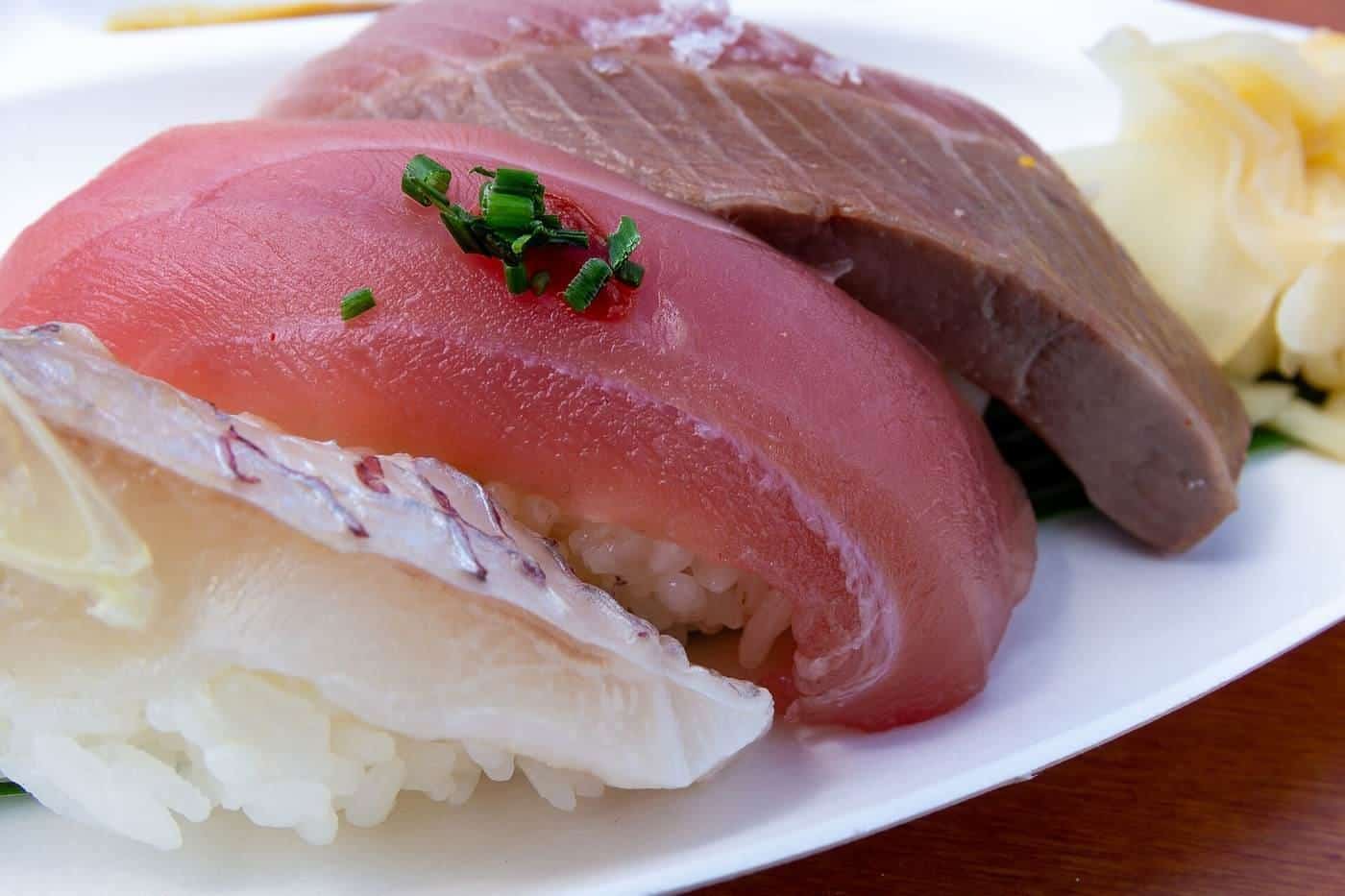
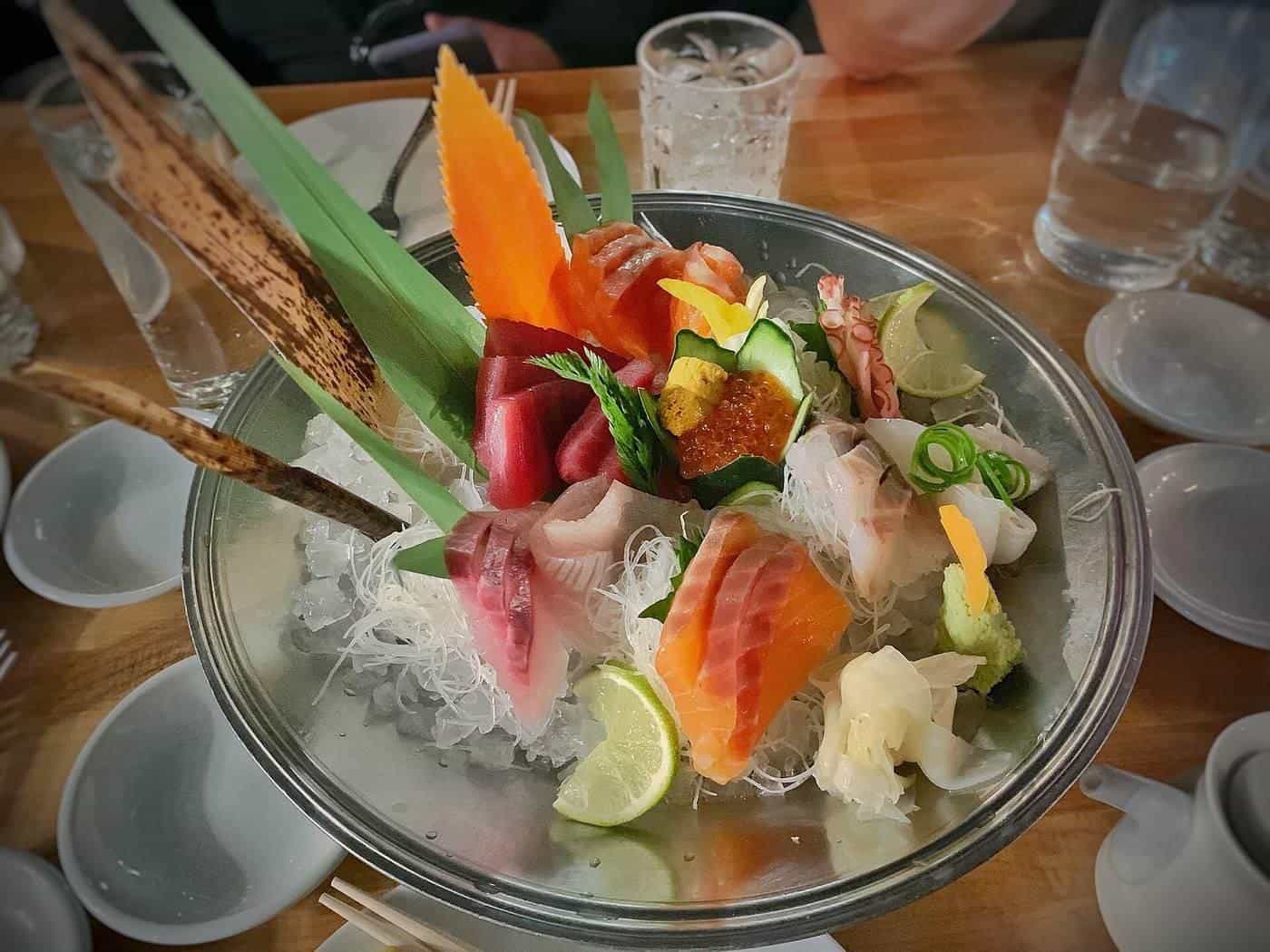
Pour only a little soy sauce into your dish; you can always add more. JNTO advises dipping the topping of sushi, not the rice, and says wasabi shouldn't be mixed directly into soy sauce at nicer sushi restaurants, though conveyor-belt and chain restaurants are more relaxed. Pickled ginger is eaten between pieces as a palate cleanser, not as a topping. See our sushi guide.
Bowls
It's normal in Japan to lift small bowls, such as rice and miso soup bowls, closer to your mouth while eating. Drink miso soup straight from the bowl, using chopsticks to eat the solid pieces. For ramen, JNTO says you can lift the bowl to drink the soup, but you don't have to finish it.
Slurping
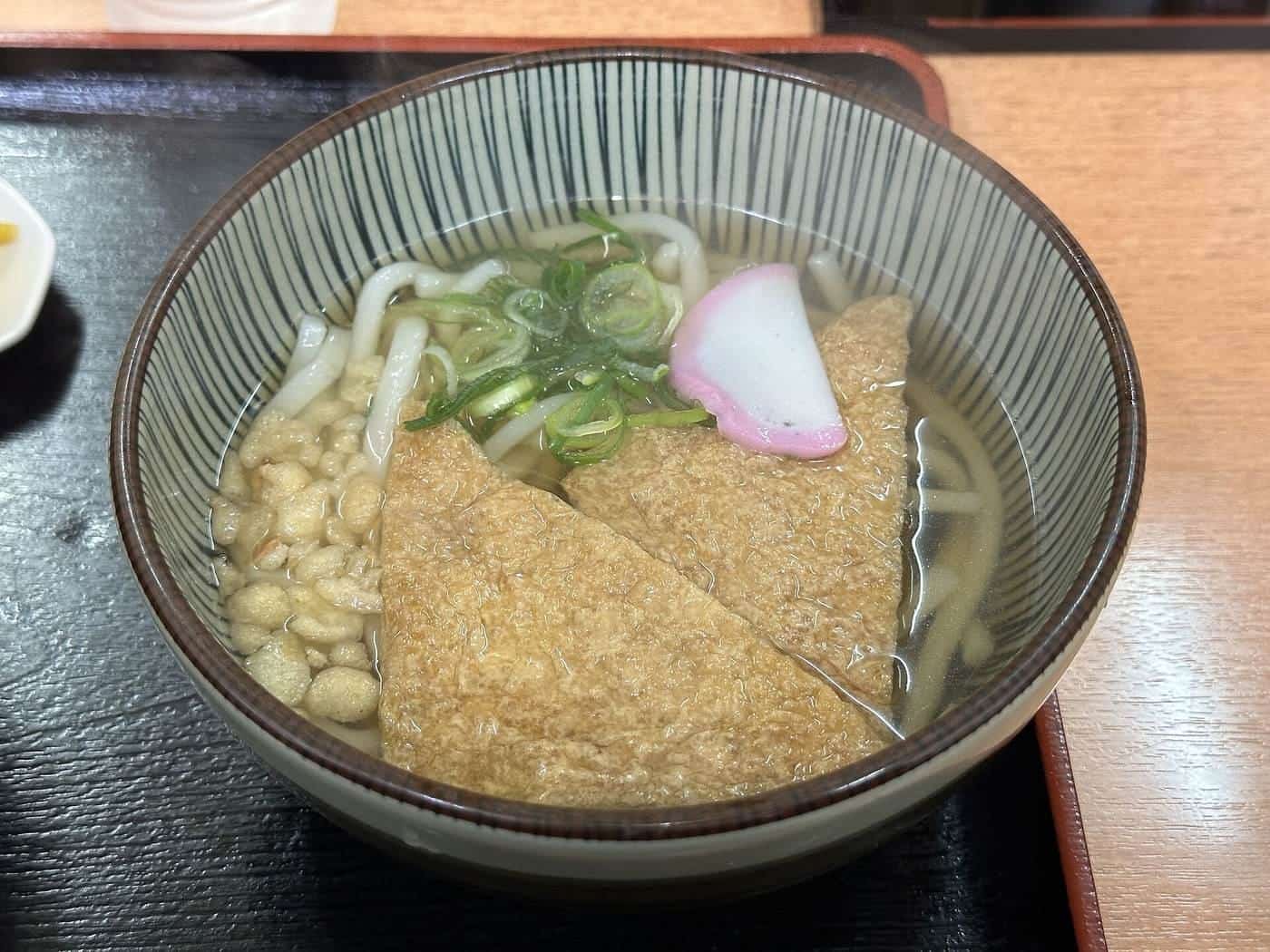
JNTO's customs page explains that when eating noodles, local culture favours slurping rather than chewing quietly, and some say it enhances the flavour. It isn't considered rude. You don't have to slurp, but don't be surprised if those around you do.
Leftovers and the last bite
JNTO notes that leaving leftover food is frowned upon in Japan, and that asking to take leftovers home is generally not accepted there. In Australia, taking leftovers home is often possible, but ask the restaurant. JNTO also notes it's good manners to ask before taking the last bite from a shared dish.
Drinking
When drinking with others, it's polite to pour for your companions rather than yourself. JNTO's sake guide explains that in formal situations you should never refill your own cup and should keep every cup at the table filled, but that casual situations are far less rigid. Wait for the group toast, "kanpai", before drinking. See our sake guide.
At the counter
At a sushi counter, you can talk to the chef, ask for recommendations and say what you don't eat. Eat each piece soon after it's served. Avoid wearing strong perfume, which can interfere with the delicate flavours, and keep phone use discreet. JNTO's customs page notes that in Japan, people keep their phones on silent and avoid speaking on them in public places.
Paying and tipping
In Japan, tipping is not customary. In Australia, tipping is optional at any restaurant. Some Australian restaurants add surcharges, for example on weekends, public holidays or card payments, and these should be clearly shown. At many Japanese restaurants you pay at the counter rather than at the table.
Don't worry too much
Etiquette is about respect, not perfection. Staff at Japanese restaurants in Australia welcome diners of every background. If you're unsure, watch what others do or ask. JNTO's own advice is simple: if in doubt, follow the locals.
Etiquette with children
Japanese restaurants in Australia generally welcome families. Training chopsticks, plain rice, udon, karaage, edamame and cooked rolls are popular with children. Ask for small bowls for sharing. If children have allergies, tell staff before ordering, as many Japanese dishes contain fish, soy, wheat, sesame or egg.
A quick etiquette checklist
Wipe your hands with the oshibori; say itadakimasu; rest chopsticks flat when not using them; never stand them in rice or pass food chopstick to chopstick; pour only a little soy sauce; dip the topping, not the rice; slurp noodles if you like; pour for others; and say gochisosama desu at the end.
Try the menu decoder
Our free menu decoder explains more than 50 common Japanese menu words in plain English, from nigiri, tonkotsu and zaru to omakase, junmai and itadakimasu. Type a word to see what it means. It runs entirely in your browser, and nothing you type is sent anywhere.
Where our information comes from
Factual statements in our guides are based on official and authoritative sources, including Food Standards Australia New Zealand (FSANZ), the NSW Food Authority, healthdirect, Coeliac Australia, Allergy & Anaphylaxis Australia, ASCIA, the NHMRC and the Japan National Tourism Organization. We link to each source at the end of the page and write everything in our own words. We don't publish invented statistics, prices or reviews.
Restaurants vary
Every restaurant has its own recipes, suppliers and kitchen practices. A dish with the same name can contain different ingredients at different restaurants, and recipes can change. That's why we always suggest asking staff about ingredients and preparation, especially if you have an allergy, coeliac disease, are pregnant or have another dietary need.
Supporting good restaurants
If a Japanese restaurant looks after you well, for example by explaining dishes clearly, adapting a meal for your dietary needs or making you feel welcome, let them know. Thanking staff, coming back and leaving an honest review all help good restaurants thrive. Honest feedback, delivered politely, also helps restaurants improve.
Eating Japanese food in Japan
If you're travelling to Japan, the Japan National Tourism Organization publishes free guides to Japanese food, dining etiquette and customs on its website. Many of the customs in our guides, such as paying at ticket machines in ramen shops or ordering sake by the go, are more common in Japan than in Australia.
Key points
- Say 'itadakimasu' before eating and 'gochisosama desu' after.
- Never stand chopsticks upright in rice or pass food chopstick to chopstick.
- Rest chopsticks flat on the rest or across the bowl when not using them.
- Dip the sushi topping, not the rice; ginger is eaten between pieces.
- Pour drinks for others and wait for 'kanpai'.
Frequently asked questions
What are the biggest chopstick mistakes?
JNTO says the two biggest are sticking chopsticks upright in a bowl of rice and passing food from chopsticks to chopsticks.
Is slurping noodles rude?
No. JNTO notes that slurping noodles is normal in Japan.
What do I say before eating?
'Itadakimasu', meaning something like 'I am glad to receive this meal'. After eating, say 'gochisosama desu'.
Do I need to tip at Japanese restaurants in Australia?
Tipping is optional in Australia. In Japan, tipping is not customary.
Sources and further reading
Facts on this page were checked against these primary and official sources. Conditions change — confirm before you travel or buy.
- Japanese food etiquette guide — Japan National Tourism Organization (JNTO)
- Japanese manners do's and don'ts — Japan National Tourism Organization (JNTO)
- Custom and manners — Japan National Tourism Organization (JNTO)
- Sushi in Japan guide — Japan National Tourism Organization (JNTO)
- Sake 101: the ultimate guide to Japanese sake — Japan National Tourism Organization (JNTO)