Pregnancy doesn't mean giving up Japanese food. Many Japanese dishes are hot, freshly cooked and well suited to a pregnancy diet. But Australian health authorities do advise avoiding some foods that are common in Japanese restaurants, especially raw fish and pre-made sushi, and limiting certain types of fish. This guide summarises their advice. Always follow the advice of your doctor or midwife.
This guide is general information written in our own words, based on the official sources listed at the end. Recipes and practices vary between restaurants, and food safety and health advice depends on your circumstances, so check the official source and follow your doctor's advice if you have an allergy, coeliac disease, are pregnant or have a weakened immune system. We don't review or recommend particular restaurants.
Why some foods are a concern
Two main concerns apply to Japanese food during pregnancy: Listeria and mercury. Alcohol is a third.
Listeria
FSANZ explains that Listeria can cause listeriosis, a rare illness that can be serious for pregnant women and their babies. It may cause miscarriage, premature birth or stillbirth. Symptoms in pregnant women may seem mild, but FSANZ says it's important to seek medical attention immediately. Listeria can grow even in refrigerated food, and even a small amount can cause illness.
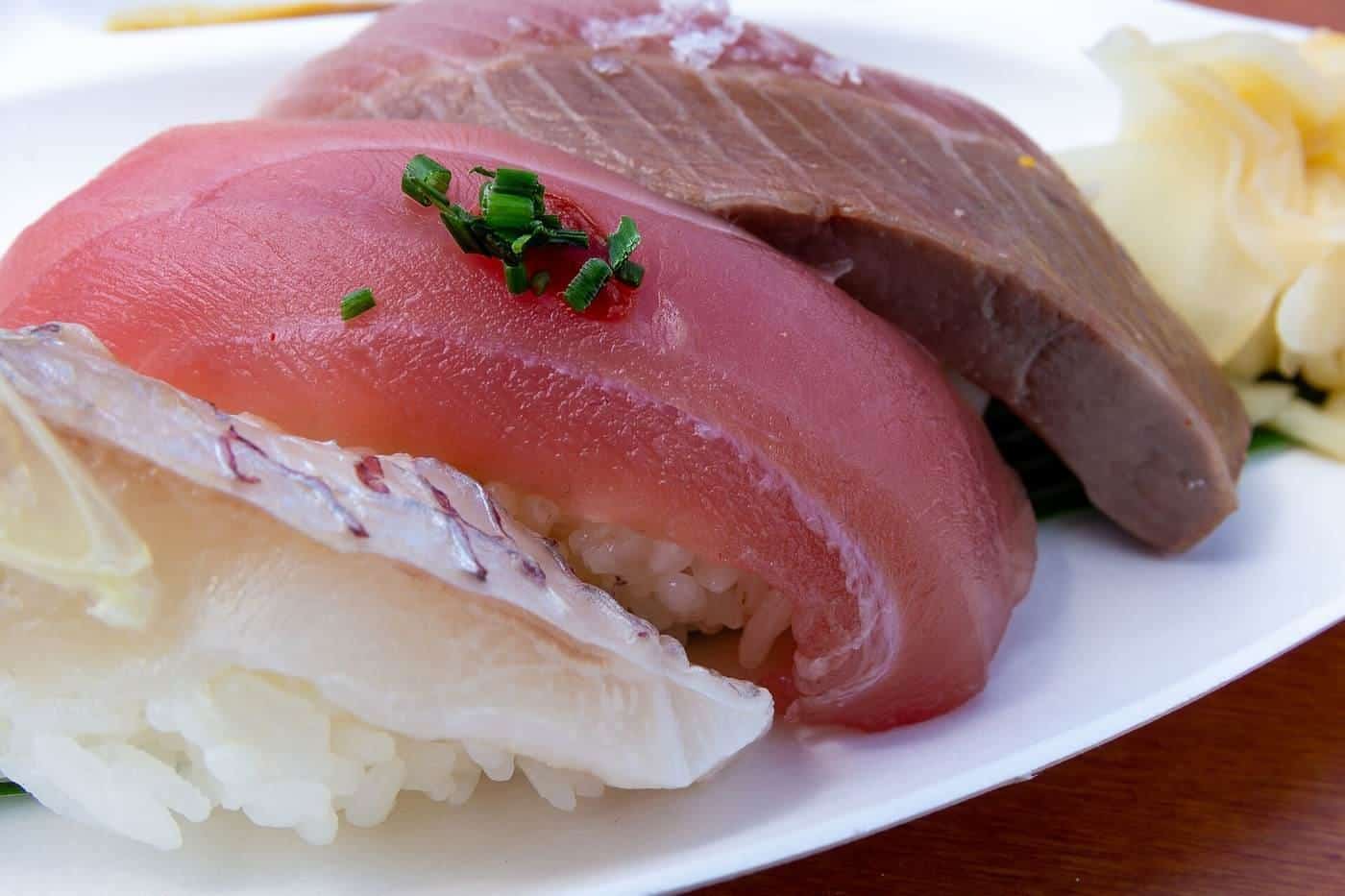
FSANZ advises pregnant women to avoid chilled seafood such as raw oysters, sashimi and sushi, smoked ready-to-eat seafood and cooked ready-to-eat prawns, along with other higher-risk foods such as pre-prepared salads and soft serve ice cream. Pregnancy, Birth and Baby, the government-funded pregnancy information service, gives the same advice: don't eat raw or ready-to-eat fish or seafood, including sashimi, sushi, raw oysters, smoked salmon and pre-cooked prawns.
The NSW Food Authority says store-bought sushi isn't recommended for pregnant women. Its listeria and pregnancy guidance suggests that, if you're a sushi fan, the safer alternative is freshly prepared sushi that only contains freshly cooked ingredients. Pregnancy, Birth and Baby says the safest way to enjoy sushi is to make your own.
Mercury in fish
Fish is an excellent source of protein, omega-3 fatty acids, iodine and vitamins, and FSANZ says there's no need for anyone, including pregnant and breastfeeding women, to stop eating fish. But some large, long-lived predatory fish have higher levels of mercury, which can harm a developing baby's nervous system.
FSANZ and the NSW Food Authority advise that women who are pregnant, planning pregnancy or breastfeeding can eat (with one serve being 150 g):
- 2 to 3 serves a week of any fish and seafood not listed below, or
- 1 serve a week of catfish or orange roughy (deep sea perch), and no other fish that week, or
- 1 serve a fortnight of shark (flake) or billfish (swordfish, broadbill and marlin), and no other fish that fortnight.
The NSW Food Authority notes that it's generally safe for all groups, including pregnant women, to eat 2 to 3 serves of any type of tuna or salmon a week, canned or fresh. Remember that raw tuna and salmon in sashimi and sushi are still subject to the Listeria advice above.
Alcohol
The NHMRC's alcohol guidelines advise that, to prevent harm from alcohol to their unborn child, women who are pregnant or planning a pregnancy should not drink alcohol, and that not drinking is safest for breastfeeding women. That includes sake, shochu, umeshu and beer. Non-alcoholic options such as green tea, roasted tea and soft drinks are widely available at Japanese restaurants. Note that green tea contains caffeine; ask your doctor or midwife about caffeine limits.
Safer choices at a Japanese restaurant
Hot, freshly cooked dishes served steaming hot are generally the safer choice. Options to consider include:
- Freshly made sushi with cooked fillings, such as cooked prawn, cooked eel, tamago (omelette), cucumber, avocado or teriyaki chicken, made to order rather than from a display. Ask the restaurant to prepare it fresh.
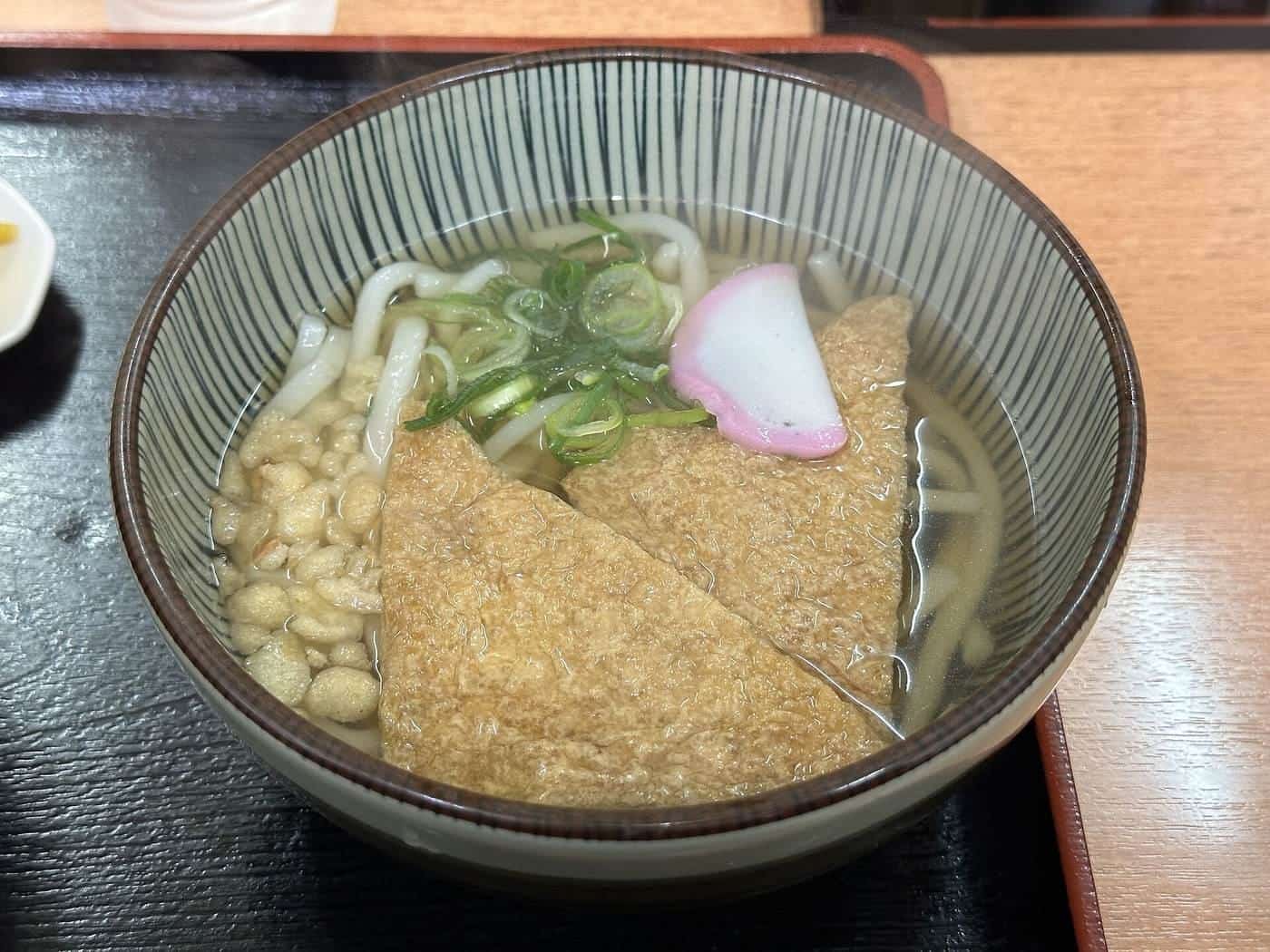
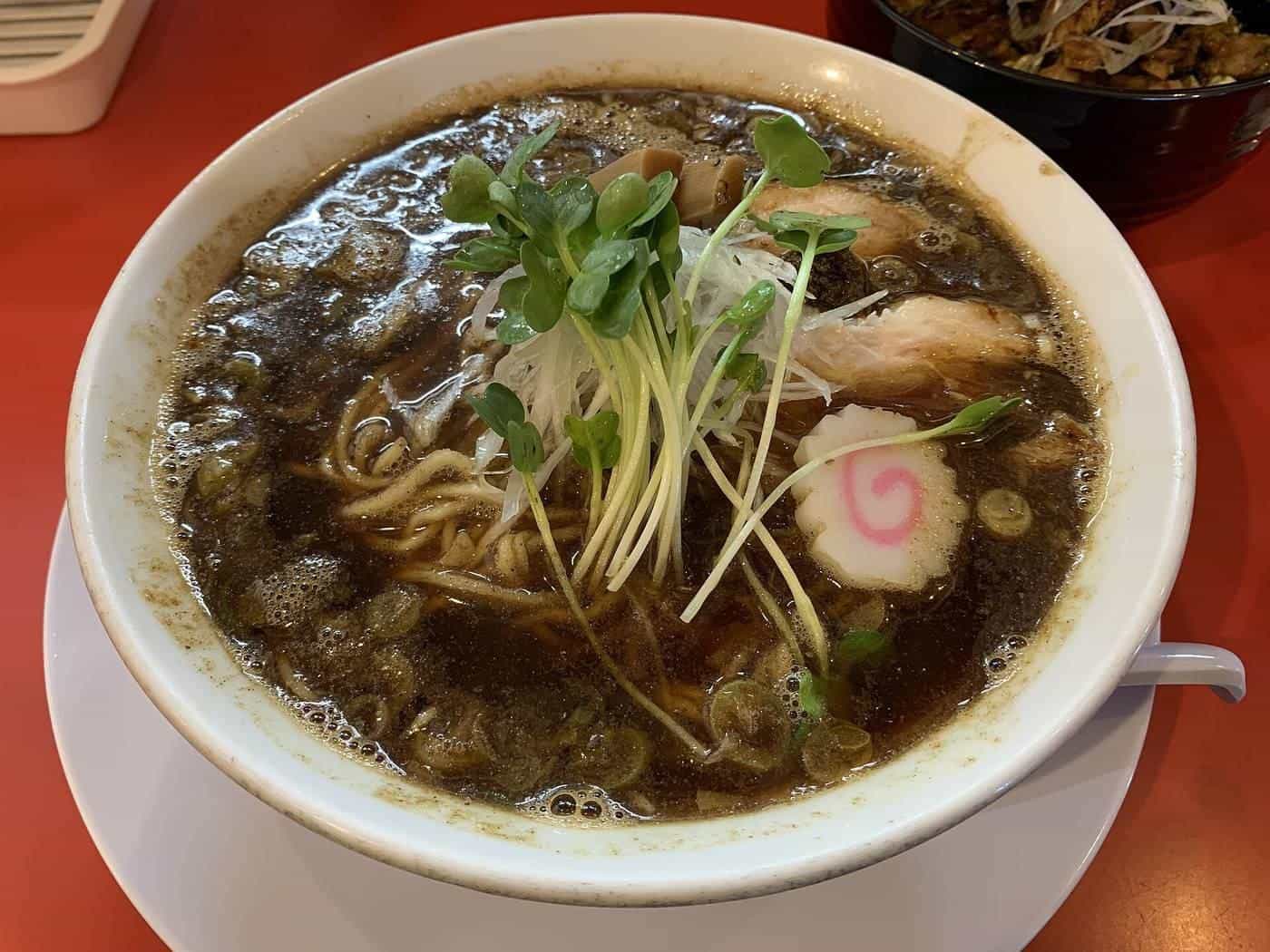
- Ramen, udon and soba in hot broth.
- Miso soup.
- Tempura and katsu, freshly fried.
- Grilled fish (choosing lower-mercury species), yakitori and teriyaki.
- Donburi and Japanese curry, served hot.
- Hot pot (nabe, shabu-shabu or sukiyaki), with meat and seafood cooked through. Avoid dishes served with a raw egg for dipping unless you're sure it's safe; ask your doctor or midwife.
- Edamame and gyoza, served hot.
Foods to be careful with
- Sashimi, nigiri and rolls with raw fish.
- Pre-made sushi from displays, including cooked-filling rolls that have been sitting out.
- Raw oysters and other raw shellfish.
- Cold cooked prawns, crab salads and smoked salmon in rolls.
- Pre-prepared salads and cold dishes that have been made in advance.
- Raw or runny eggs, such as raw egg toppings.
- High-mercury fish, such as swordfish, beyond the limits above.
Ask, and tell staff
When ordering, explain that you're pregnant and ask which dishes are cooked through and made fresh. Most Japanese restaurants are happy to adjust a dish, for example by making a roll with cooked fillings to order.
When to get help
If you think you've eaten something contaminated and feel unwell, contact your doctor or midwife straight away, even if your symptoms seem mild. You can also call the Pregnancy, Birth and Baby helpline on 1800 882 436.
Cooking Japanese food at home when pregnant
Making Japanese food at home lets you control ingredients. Try rolls with freshly cooked fillings such as cooked salmon, tamago, teriyaki chicken or vegetables, eaten straight away. Miso soup, noodle soups, donburi and hot pots are also easy. Use fresh ingredients, keep raw and cooked foods separate and refrigerate leftovers promptly.
Breastfeeding
The NSW Food Authority advises breastfeeding women to follow the same fish and mercury guidance as pregnant women. Ask your doctor, midwife or child health nurse about other foods and drinks while breastfeeding.
Try the menu decoder
Our free menu decoder explains more than 50 common Japanese menu words in plain English, from nigiri, tonkotsu and zaru to omakase, junmai and itadakimasu. Type a word to see what it means. It runs entirely in your browser, and nothing you type is sent anywhere.
Where our information comes from
Factual statements in our guides are based on official and authoritative sources, including Food Standards Australia New Zealand (FSANZ), the NSW Food Authority, healthdirect, Coeliac Australia, Allergy & Anaphylaxis Australia, ASCIA, the NHMRC and the Japan National Tourism Organization. We link to each source at the end of the page and write everything in our own words. We don't publish invented statistics, prices or reviews.
Restaurants vary
Every restaurant has its own recipes, suppliers and kitchen practices. A dish with the same name can contain different ingredients at different restaurants, and recipes can change. That's why we always suggest asking staff about ingredients and preparation, especially if you have an allergy, coeliac disease, are pregnant or have another dietary need.
Supporting good restaurants
If a Japanese restaurant looks after you well, for example by explaining dishes clearly, adapting a meal for your dietary needs or making you feel welcome, let them know. Thanking staff, coming back and leaving an honest review all help good restaurants thrive. Honest feedback, delivered politely, also helps restaurants improve.
Eating Japanese food in Japan
If you're travelling to Japan, the Japan National Tourism Organization publishes free guides to Japanese food, dining etiquette and customs on its website. Many of the customs in our guides, such as paying at ticket machines in ramen shops or ordering sake by the go, are more common in Japan than in Australia.
Food safety at home
If you cook Japanese food at home, follow basic food safety: wash your hands, keep raw and cooked foods separate, use separate boards for raw fish and ready-to-eat foods, keep cold food at 5°C or below and refrigerate leftovers promptly. Buy fish for eating raw only from suppliers you trust, and use it quickly.
Key points
- FSANZ advises pregnant women to avoid sashimi and sushi because of Listeria.
- Freshly made sushi with only freshly cooked fillings is a safer alternative.
- Keep eating fish, but limit shark, billfish, catfish and orange roughy.
- The NHMRC says not drinking is safest when pregnant or planning a pregnancy.
- Choose hot, freshly cooked dishes served steaming hot.
Frequently asked questions
Can I eat sushi when pregnant?
FSANZ advises pregnant women to avoid chilled seafood such as sashimi and sushi because of Listeria. The NSW Food Authority suggests freshly prepared sushi containing only freshly cooked ingredients as a safer alternative.
Is cooked fish safe in pregnancy?
Yes. Fish is nutritious, and FSANZ says there's no need to stop eating fish. Follow the mercury advice on which fish to limit.
Which fish should I limit?
FSANZ and the NSW Food Authority advise limiting shark (flake) and billfish such as swordfish and marlin to one 150 g serve a fortnight, and catfish and orange roughy to one serve a week.
Can I drink sake when pregnant?
The NHMRC advises that not drinking alcohol is safest when pregnant or planning a pregnancy.
Sources and further reading
Facts on this page were checked against these primary and official sources. Conditions change — confirm before you travel or buy.
- Listeria in food — Food Standards Australia New Zealand (FSANZ)
- Foods to avoid when pregnant — Pregnancy, Birth and Baby
- Mercury in fish — Food Standards Australia New Zealand (FSANZ)
- Mercury and fish — NSW Food Authority
- Sushi — NSW Food Authority
- Australian guidelines to reduce health risks from drinking alcohol — National Health and Medical Research Council (NHMRC)