Japanese food can be a challenge for people with food allergies. Many dishes combine several common allergens, and some ingredients, such as the fish in dashi stock or the wheat in soy sauce, aren't obvious from the name of the dish. This guide explains where allergens are commonly found in Japanese food and how to eat out more safely, based on advice from ASCIA, Allergy & Anaphylaxis Australia and FSANZ.
This guide is general information written in our own words, based on the official sources listed at the end. Recipes and practices vary between restaurants, and food safety and health advice depends on your circumstances, so check the official source and follow your doctor's advice if you have an allergy, coeliac disease, are pregnant or have a weakened immune system. We don't review or recommend particular restaurants.
Food allergy basics
healthdirect explains that a food allergy is an immune system reaction to a food, and that reactions can range from mild to severe. The most severe reaction, anaphylaxis, is life-threatening and needs emergency treatment. ASCIA advises that people at risk of anaphylaxis should have an adrenaline injector and an ASCIA Action Plan, and should strictly avoid the foods they're allergic to.
If someone shows signs of anaphylaxis, such as difficulty breathing, swelling of the tongue or throat, or collapse, follow their ASCIA Action Plan, use their adrenaline injector and call 000.
Allergens in Japanese food
Here's where common allergens often appear in Japanese dishes:
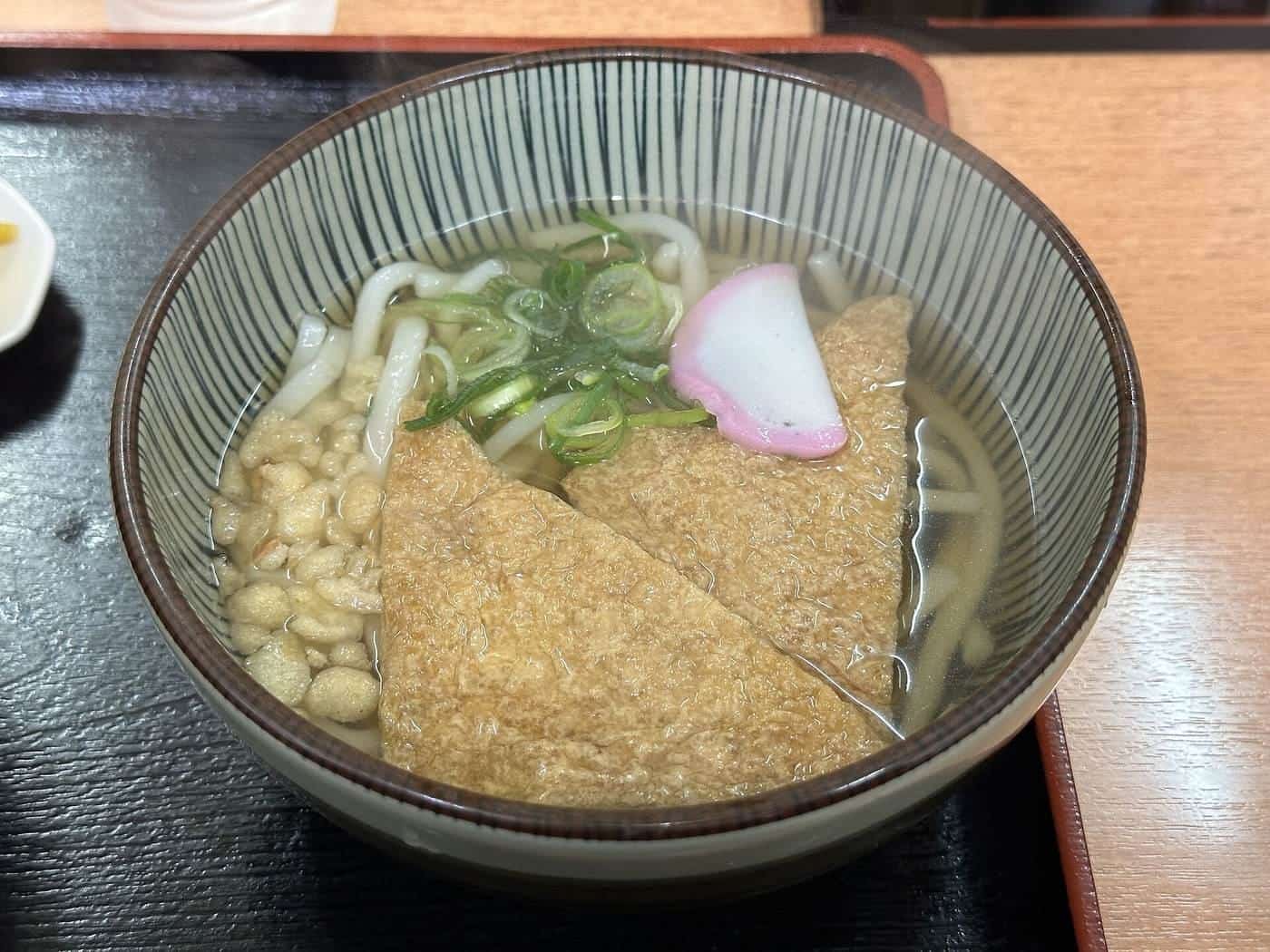
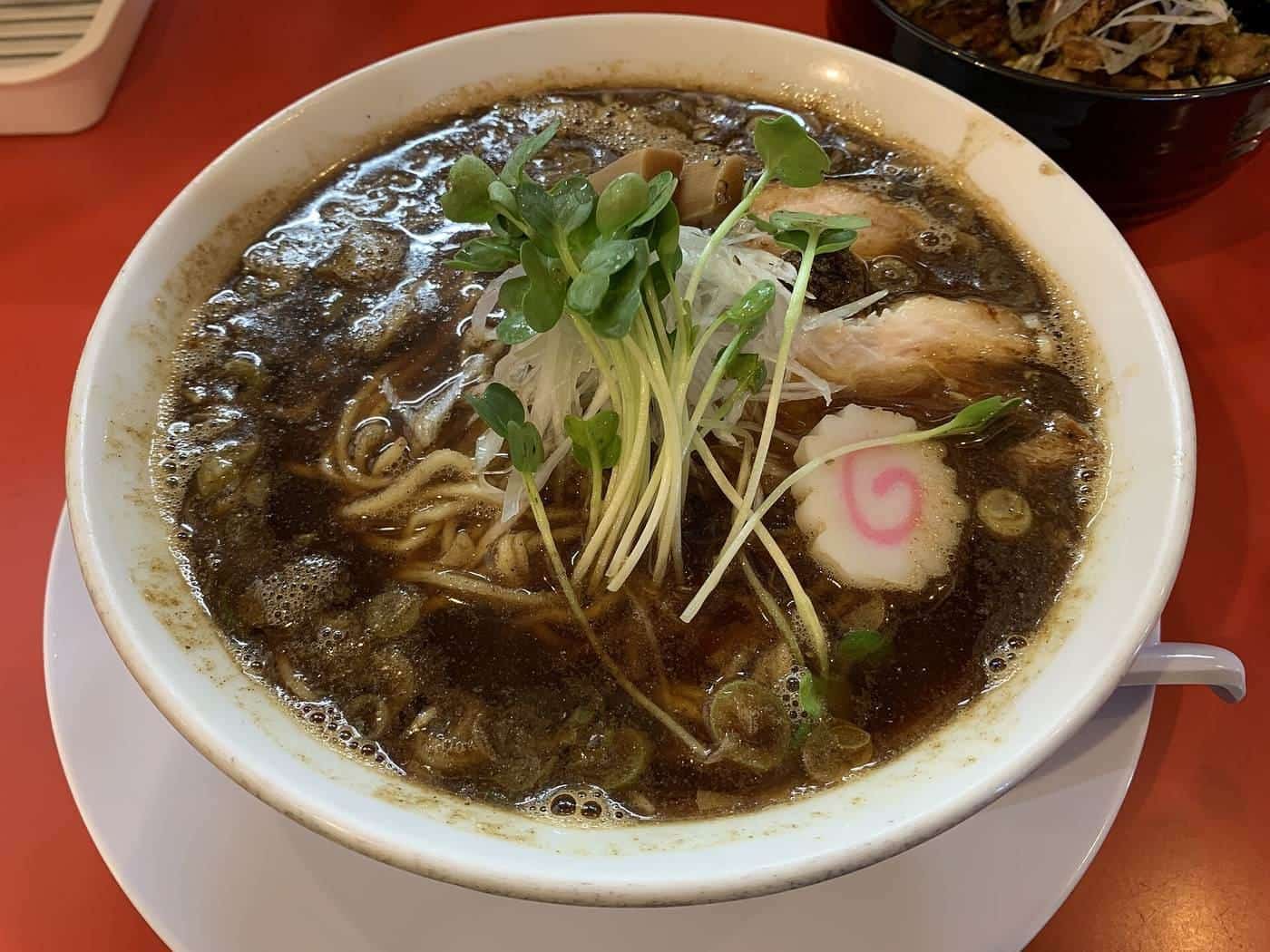
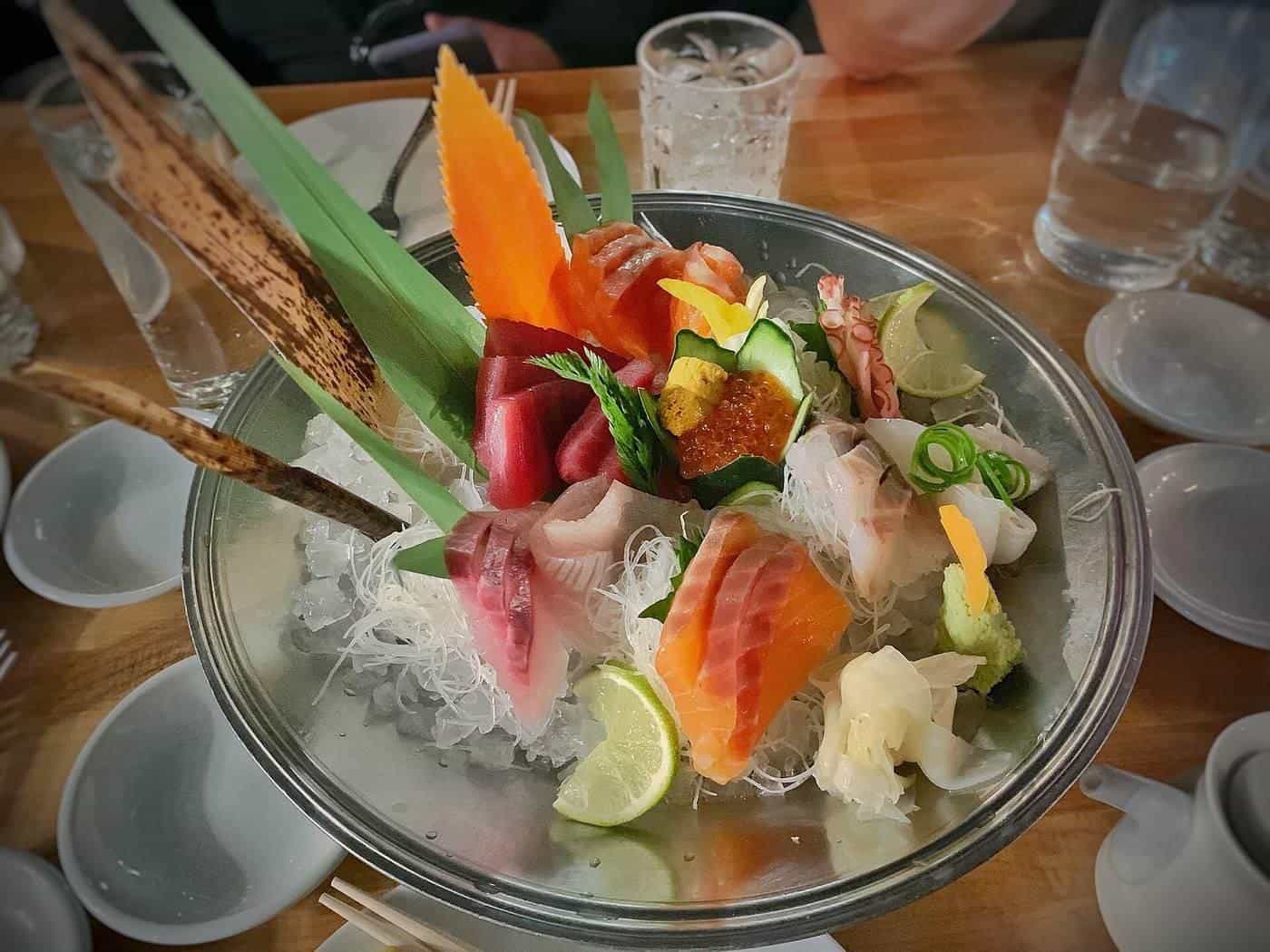
- Fish. Sushi, sashimi and grilled fish, but also dashi stock (usually made with bonito), which is used in miso soup, noodle broths, simmered dishes and many sauces. Fish sauce and bonito flakes appear in toppings and dressings. Imitation crab is usually made from fish.
- Crustaceans. Prawns (ebi), crab (kani) and prawn tempura. Fried foods may share oil with prawn tempura.
- Molluscs. Squid (ika), octopus (tako), scallops (hotate) and other shellfish.
- Soy. Soy sauce, miso, tofu, edamame, teriyaki and many dressings.
- Wheat. Soy sauce, ramen and udon noodles, many soba noodles, tempura batter, crumbs (panko) on katsu, gyoza wrappers and many sauces.
- Sesame. Seeds on rolls and salads, sesame oil and sesame dressings.
- Egg. Tamago (omelette), Japanese mayonnaise, tempura batter, chawanmushi and some noodles.
- Milk. Less common in traditional dishes, but appears in some modern dishes, desserts and butter toppings.
- Peanuts and tree nuts. Less common, but can appear in sauces, dressings and desserts.
The allergen labelling rules
FSANZ explains that since 25 February 2024, packaged foods must declare common allergens in plain English, in bold, with a "Contains" summary statement. The list includes wheat, fish, crustacean, mollusc, egg, milk, lupin, peanut, soy, sesame, several individual tree nuts, and barley, oats and rye when they contain gluten.
For food that isn't packaged, such as restaurant meals, FSANZ says allergen information must be displayed with the food or be available on request. That means you can, and should, ask.
Note that some foods that can cause allergic reactions, such as buckwheat (used in soba), aren't on the mandatory list, so ask directly if you're allergic to them.
Before you go
Allergy & Anaphylaxis Australia suggests:
- Speak to the manager or chef before you arrive, if possible.
- Try to go at a less busy time.
- Check the menu on the restaurant's website and again when you arrive.
ASCIA explains that planning ahead and giving information in advance increases the chance that a venue can provide suitable food.
When ordering
Allergy & Anaphylaxis Australia recommends:
- Always tell staff about your allergy before ordering, even if the restaurant uses QR-code ordering. If staff are unsure, ask them to speak with the chef.
- Remember that menus don't need to list allergens, so always speak to staff.
- Use a chef card listing your allergens, and ask that it go to the chef and come back with your meal.
ASCIA advises being assertive and clear, and asking questions about ingredients, preparation, storage and service. If you're not sure a food is suitable, don't eat it.
Questions worth asking at a Japanese restaurant
- Does the dish, sauce or broth contain dashi or other fish products?
- Is soy sauce, miso or teriyaki used? Is the soy sauce made with wheat?
- Is the tempura or katsu fried in the same oil as prawns or other seafood?
- Are the same knives and boards used for raw fish and shellfish?
- Are sesame seeds or sesame oil used, including as a garnish?
- Does the batter, mayonnaise or noodle contain egg?
Higher-risk settings
Shared surfaces and utensils increase the risk of cross-contact. At conveyor-belt sushi, plates pass close together and toppings can fall onto other plates. At teppanyaki, food is cooked on a shared griddle. Buffets and shared fryers are also higher risk. Simple dishes with few ingredients are often easier for kitchens to check.
Always be prepared
Allergy & Anaphylaxis Australia advises always carrying your ASCIA Action Plan and adrenaline device if prescribed, and says that if you don't have your adrenaline device with you, don't eat. If you think you're having an allergic reaction at any time during a meal, stop eating, tell those around you and follow your ASCIA Action Plan.
Allergy & Anaphylaxis Australia also notes that nobody can guarantee food is 100 percent free of an allergen, because of accidental cross-contact, incorrect labels or mix-ups. Being well informed and prepared reduces the risk.
Children with food allergies
If your child has a food allergy, plan ahead, speak to the restaurant before you go and bring their ASCIA Action Plan and adrenaline injector if prescribed. Choose simple dishes, and check each item when it arrives. Teach older children to ask about ingredients themselves.
Reporting a reaction
If you have an allergic reaction after eating out, get medical help first. Afterwards, you can tell the restaurant and report the incident to your local council or state food safety authority, which helps prevent it happening to someone else. Allergy & Anaphylaxis Australia has information on reporting reactions.
Try the menu decoder
Our free menu decoder explains more than 50 common Japanese menu words in plain English, from nigiri, tonkotsu and zaru to omakase, junmai and itadakimasu. Type a word to see what it means. It runs entirely in your browser, and nothing you type is sent anywhere.
Where our information comes from
Factual statements in our guides are based on official and authoritative sources, including Food Standards Australia New Zealand (FSANZ), the NSW Food Authority, healthdirect, Coeliac Australia, Allergy & Anaphylaxis Australia, ASCIA, the NHMRC and the Japan National Tourism Organization. We link to each source at the end of the page and write everything in our own words. We don't publish invented statistics, prices or reviews.
Restaurants vary
Every restaurant has its own recipes, suppliers and kitchen practices. A dish with the same name can contain different ingredients at different restaurants, and recipes can change. That's why we always suggest asking staff about ingredients and preparation, especially if you have an allergy, coeliac disease, are pregnant or have another dietary need.
Supporting good restaurants
If a Japanese restaurant looks after you well, for example by explaining dishes clearly, adapting a meal for your dietary needs or making you feel welcome, let them know. Thanking staff, coming back and leaving an honest review all help good restaurants thrive. Honest feedback, delivered politely, also helps restaurants improve.
Eating Japanese food in Japan
If you're travelling to Japan, the Japan National Tourism Organization publishes free guides to Japanese food, dining etiquette and customs on its website. Many of the customs in our guides, such as paying at ticket machines in ramen shops or ordering sake by the go, are more common in Japan than in Australia.
Key points
- Fish, crustaceans, molluscs, soy, wheat, sesame and egg are common in Japanese food.
- Dashi usually contains fish; soy sauce usually contains wheat.
- For unpackaged food, allergen information must be displayed or available on request.
- Always tell staff before ordering; menus don't need to list allergens.
- If you don't have your adrenaline device, don't eat.
Frequently asked questions
Which allergens are common in Japanese food?
Fish, crustaceans, molluscs, soy, wheat, sesame and egg are common, and dashi stock usually contains fish.
Do restaurants have to tell me about allergens?
FSANZ says that for unpackaged food, allergen information must be displayed with the food or be available on request.
Should I rely on the menu?
No. Allergy & Anaphylaxis Australia notes that menus don't need to list allergens, so always speak to staff.
What if I don't have my adrenaline injector?
Allergy & Anaphylaxis Australia says: if you don't have your adrenaline device with you, don't eat.
Sources and further reading
Facts on this page were checked against these primary and official sources. Conditions change — confirm before you travel or buy.
- Allergen labelling — Food Standards Australia New Zealand (FSANZ)
- Eating out with food allergies — Allergy & Anaphylaxis Australia
- Food allergy FAQ — Australasian Society of Clinical Immunology and Allergy (ASCIA)
- Food allergies — healthdirect