Japanese food is enjoyed safely by millions of Australians, but some dishes need extra care, and some groups of people are advised to avoid certain foods. These guides summarise the advice of Australian health and food safety authorities in plain language. They're general information, not medical advice: always follow the advice of your doctor, specialist or midwife.
Guides in this section
- Raw fish and sushi safety Why sushi needs care and how to lower your risk.
- Food allergies and Japanese food Common allergens and what to tell staff.
- Japanese food during pregnancy Listeria, mercury, alcohol and safer choices.
- Gluten-free Japanese food Hidden wheat and tips for coeliac disease.
Raw fish and sushi
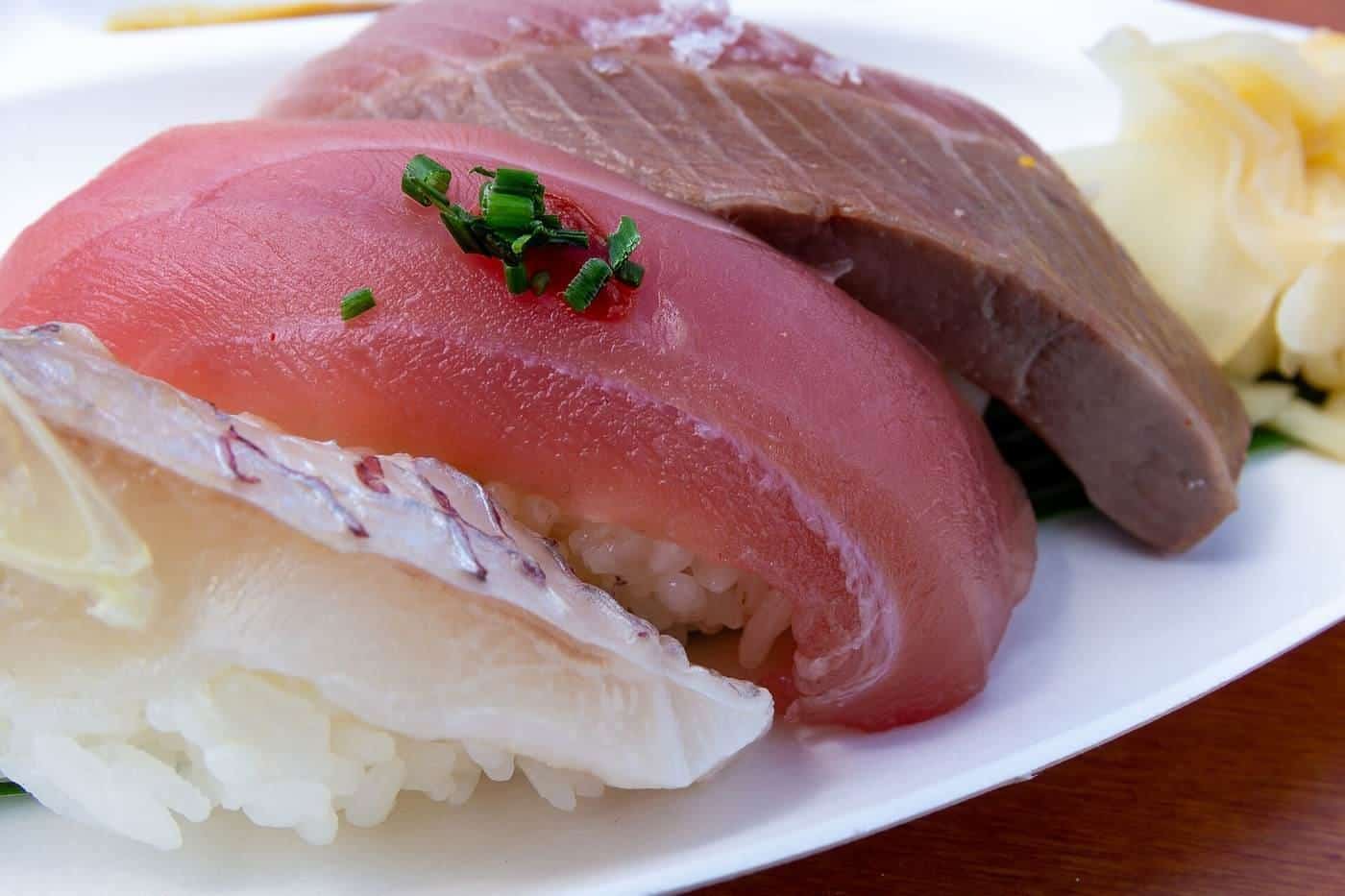
The NSW Food Authority advises eating store-bought sushi straight away, and says it isn't recommended for people with weakened immunity, including pregnant women. Sushi rice should be acidified to a pH of 4.6 or less, and sushi left out of the fridge follows the 2-hour/4-hour rule.
Allergies
Fish, crustaceans, molluscs, soy, wheat, sesame and egg are common in Japanese food, and dashi usually contains fish. FSANZ says allergen information for unpackaged food must be displayed with the food or available on request. Allergy & Anaphylaxis Australia advises always telling staff before ordering, and not eating if you don't have your adrenaline device.
Pregnancy
FSANZ advises pregnant women to avoid sashimi and sushi because of Listeria, and to limit some higher-mercury fish, such as shark and swordfish. Hot, freshly cooked dishes are safer choices.
Gluten free
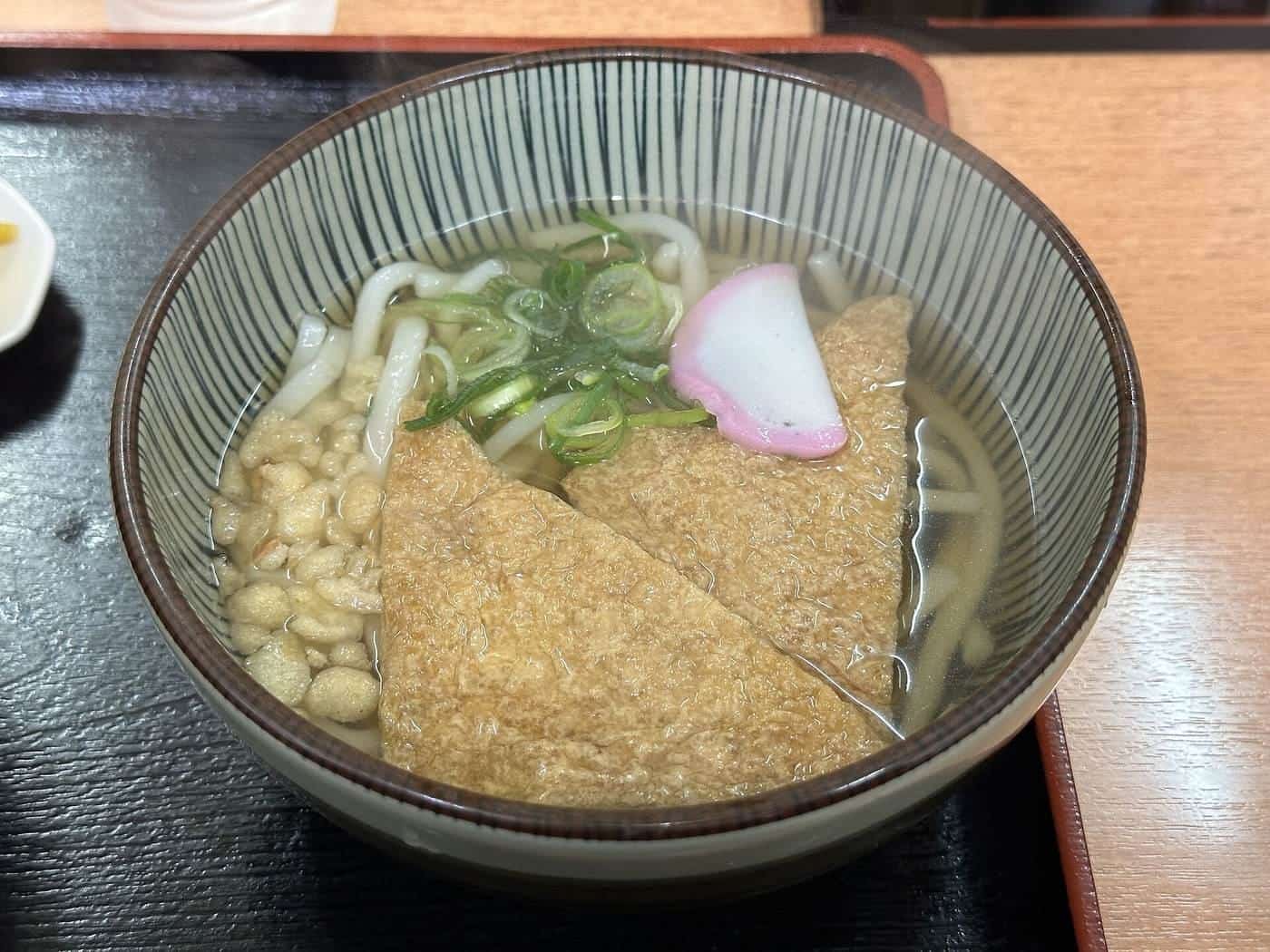
Most soy sauce contains wheat, as do ramen, udon, tempura batter and panko crumbs. Coeliac Australia runs a Gluten Free Accreditation Program for food service and recommends explaining your needs clearly when ordering.
If you become unwell
If you think you've got food poisoning or are having an allergic reaction, get medical help. In an emergency, call 000. For health advice, you can call healthdirect on 1800 022 222.
Five things worth knowing
- Sushi is about the rice, and doesn't have to contain raw fish.
- Dip the topping, not the rice, and never stand chopsticks upright in a bowl.
- Dashi usually contains fish, and most soy sauce contains wheat.
- Eat store-bought sushi straight away, and avoid raw fish if you're pregnant or have a weakened immune system.
- Always tell staff about allergies before ordering. Menus don't have to list allergens.
A simple way to explore Japanese food
If you're new to Japanese food, start with dishes that are familiar in shape: a bowl of udon or ramen, a donburi rice bowl, karaage or a bento set. Then try a few pieces of nigiri with cooked toppings such as prawn, eel or tamago, before moving on to raw fish. At an izakaya, order several small dishes to share, so everyone can try a little of everything. At a counter restaurant, ask the chef what's in season. Over time, the menu words will become familiar, and you'll find the styles you love most.
Common mistakes to avoid
A few mistakes come up often. Pouring a big pool of soy sauce and soaking the rice drowns the flavour and makes sushi fall apart. Mixing a large amount of wasabi into soy sauce hides the taste of the fish. Leaving takeaway sushi in a warm bag for hours increases food safety risks. Assuming a vegetable dish is vegetarian can be a problem, because dashi stock usually contains fish. And assuming a dish is gluten free because it's rice-based overlooks soy sauce, which usually contains wheat. Each of these is easy to avoid once you know.
Japanese food in Australia
Japanese restaurants are found in every Australian capital city and in many regional towns, from food courts and shopping centres to dedicated ramen bars, izakaya and fine dining counters. Many restaurants adapt dishes to local tastes and ingredients, such as rolls with avocado, chicken or Australian seafood, while others aim to recreate the food of a particular region of Japan. Both have their place. Our guides focus on what the dishes are, how to enjoy them and how to eat safely, rather than on particular restaurants.
Questions to ask staff
Staff at Japanese restaurants are usually happy to explain dishes. Useful questions include: what do you recommend, and what is in season? Which dishes are raw and which are cooked? Does this contain dashi, soy sauce, sesame or egg? Is this made to order? Can it be adapted for my dietary needs? Asking is never rude, and it often leads to a better meal.
About these guides
Japanese Restaurants is an independent information site about Japanese food and dining in Australia. We aren't a restaurant, booking service, directory or health authority, and we don't review, rank or recommend restaurants. Our guides are general information written in our own words, with official sources listed on every page. They're not medical, dietary or allergy advice.
How we keep these guides current
We review each guide against its sources and show the date it was last checked. Food safety advice and allergen rules are updated from time to time. If you notice something out of date, please tell us through our contact page, and we'll check and correct it.
Try the menu decoder
Our free menu decoder explains more than 50 common Japanese menu words in plain English. It runs entirely in your browser, and nothing you type is sent anywhere.
Guides in this section
Eat safely
Raw fish and sushi safety
A plain-language guide to raw fish and sushi safety in Australia: why sushi is higher risk, how it is managed and how to lower your risk.
Read · 6 min
Eat safely
Food allergies and Japanese food
A practical guide to eating Japanese food with a food allergy: common allergens in Japanese dishes, what to tell staff and how to plan ahead.
Read · 6 min
Eat safely
Japanese food during pregnancy
A plain-language guide to eating Japanese food when pregnant: raw fish and Listeria, mercury in fish, sake, and safer dishes to choose.
Read · 6 min
Eat safely
Gluten-free Japanese food
A plain-language guide to eating Japanese food gluten free: hidden wheat in soy sauce and noodles, safer choices and tips for coeliac disease.
Read · 6 min
Frequently asked questions
Why is sushi a higher-risk food?
The NSW Food Authority says sushi is often displayed at room temperature, contains perishable ingredients and involves a lot of handling.
Can I eat sushi when pregnant?
FSANZ advises pregnant women to avoid chilled seafood such as sashimi and sushi because of Listeria.
Do restaurants have to tell me about allergens?
FSANZ says allergen information for unpackaged food must be displayed or available on request.
Is soy sauce gluten free?
Usually not; most soy sauce is made with wheat.
Sources and further reading
Facts on this page were checked against these primary and official sources. Conditions change — confirm before you travel or buy.
- Sushi — NSW Food Authority
- Listeria in food — Food Standards Australia New Zealand (FSANZ)
- Mercury in fish — Food Standards Australia New Zealand (FSANZ)
- Allergen labelling — Food Standards Australia New Zealand (FSANZ)
- Eating out with food allergies — Allergy & Anaphylaxis Australia
- Eating out — Coeliac Australia