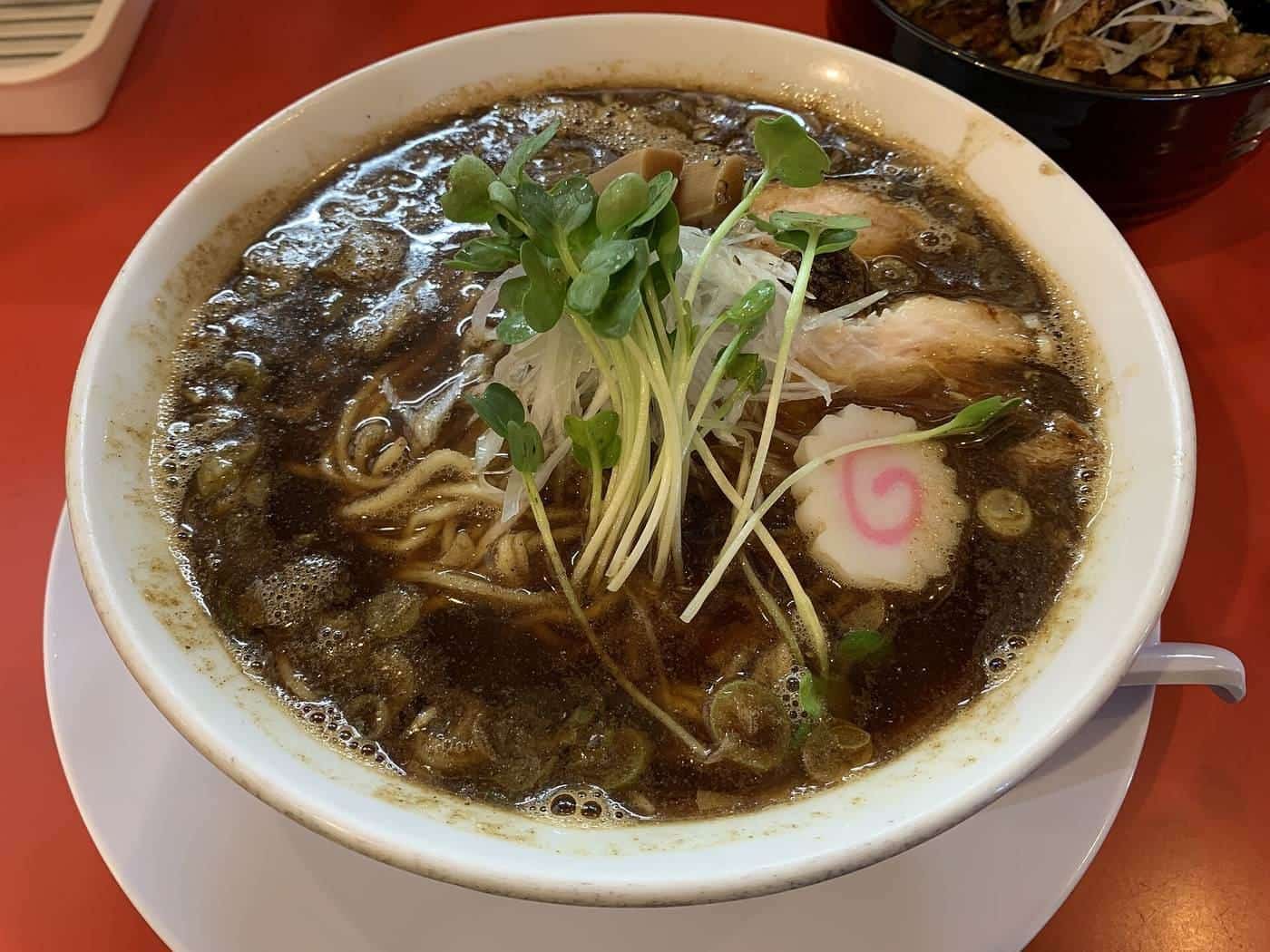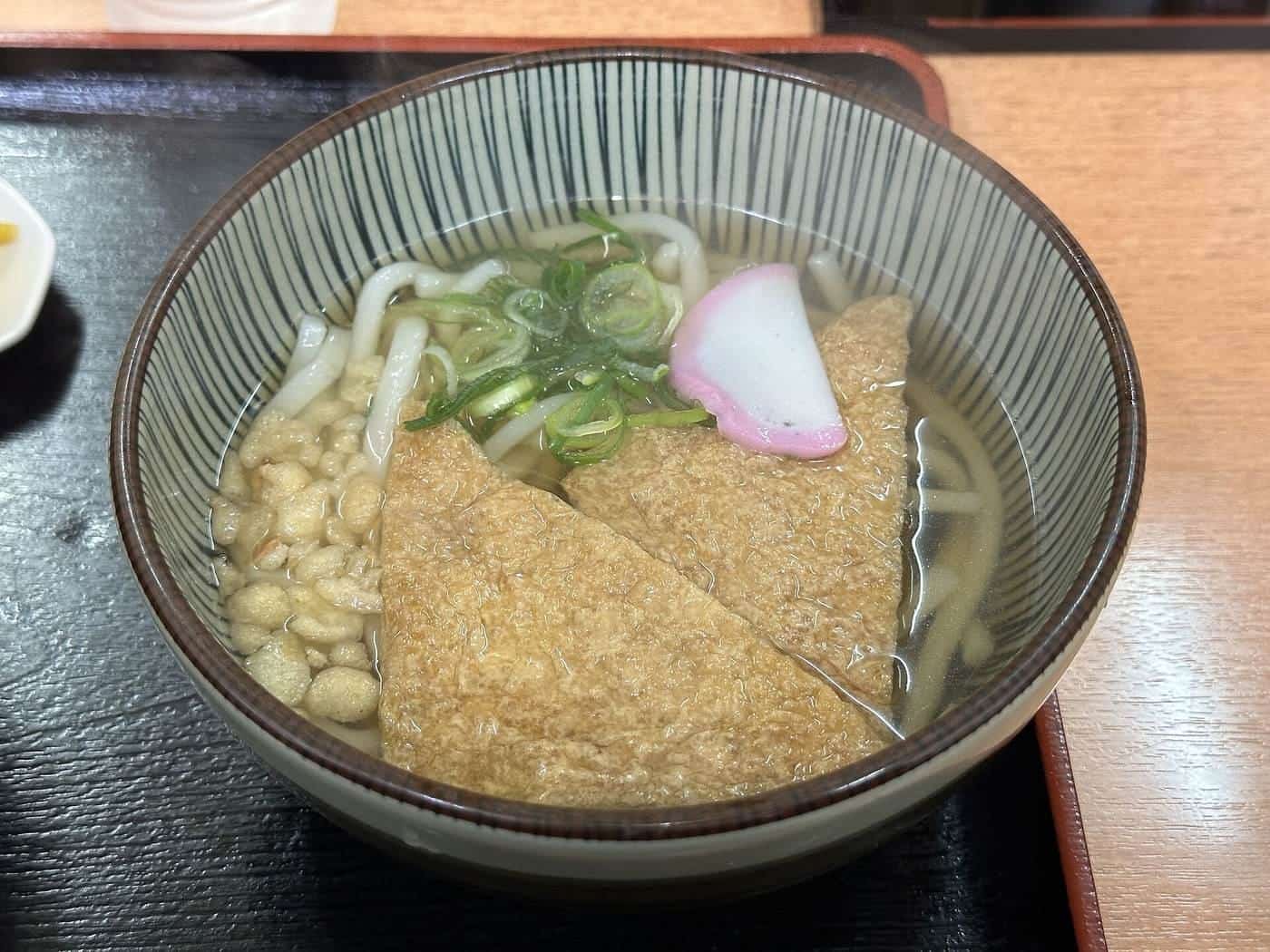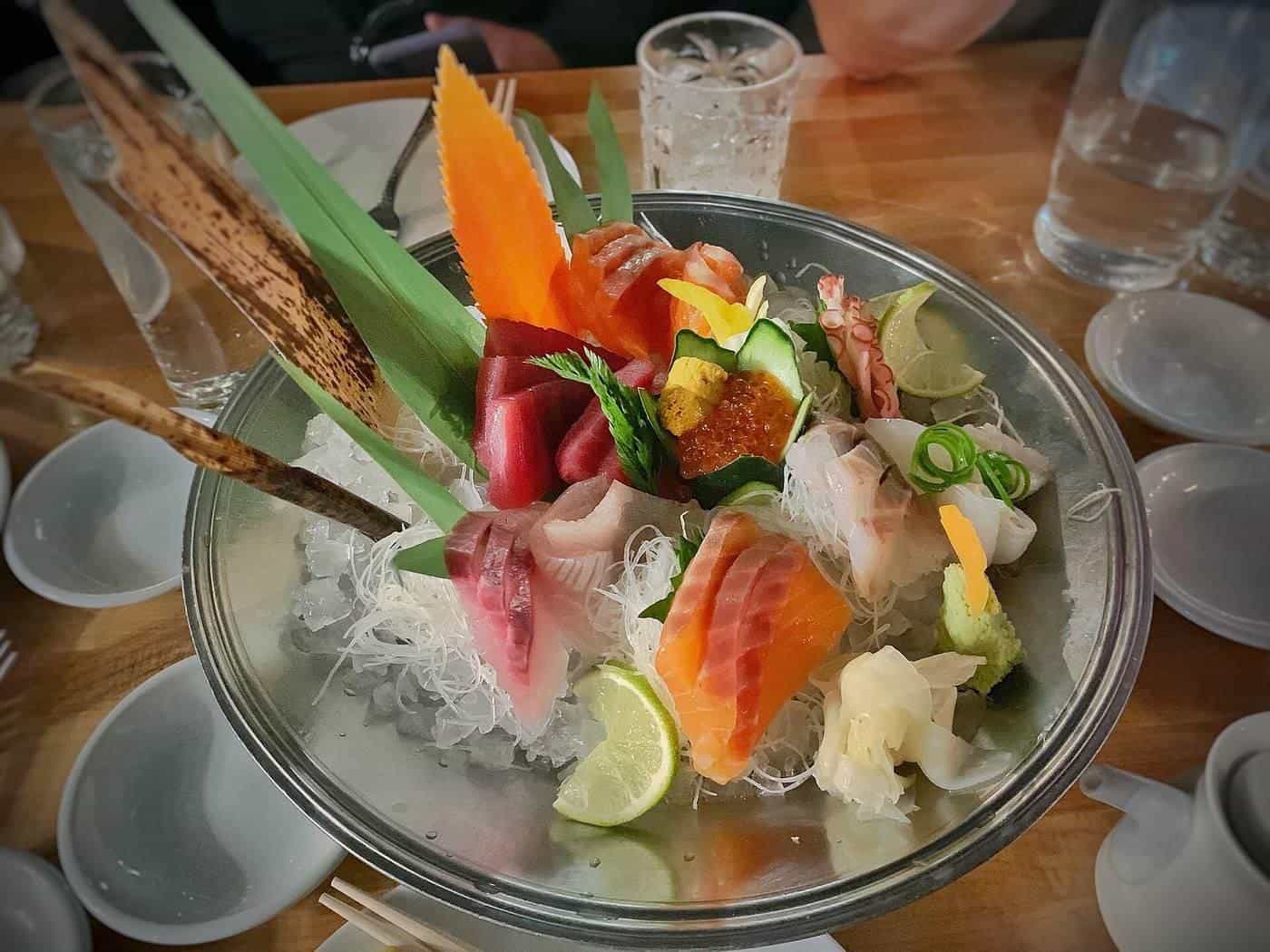
Ramen has gone from a late-night student staple to one of the most popular Japanese meals in Australian cities, with dedicated shops specialising in a single style of broth. A good bowl balances four things: the soup, the seasoning, the noodles and the toppings. This guide explains the main styles, how to read a ramen menu and how to eat ramen the way it's enjoyed in Japan.
This guide is general information written in our own words, based on the official sources listed at the end. Recipes and practices vary between restaurants, and food safety and health advice depends on your circumstances, so check the official source and follow your doctor's advice if you have an allergy, coeliac disease, are pregnant or have a weakened immune system. We don't review or recommend particular restaurants.
What ramen is
Ramen is a dish of wheat noodles served in a hot broth with toppings. JNTO describes ramen in Japan as casual, inexpensive and convenient: an all-in-one meal that pairs well with gyoza, fried rice and a drink. It isn't a meal you linger over. Some newer shops use premium ingredients and attract long queues, but ramen remains everyday food.
JNTO notes that there are many regional varieties and stylistic variations, and that no two bowls are exactly the same. Shops typically specialise in one or two types of soup.
The four common styles
JNTO identifies four of the most common types of ramen. Three are named for the seasoning used to flavour the soup, and one for the soup itself:
- Shio (salt). Usually a lighter, clearer soup seasoned with salt.
- Shoyu (soy sauce). Seasoned with soy sauce, often giving a brown, savoury broth. JNTO describes Tokyo's classic style as a dark, pork bone or chicken-based shoyu.
- Miso. Seasoned with fermented soybean paste, giving a rich, robust soup. JNTO notes that Sapporo, on Hokkaido, is famous for miso ramen.
- Tonkotsu. Defined by its creamy, cloudy pork-bone soup. JNTO says tonkotsu is preferred on Kyushu, in the south of Japan.
Many shops in Australia also offer chicken-based (tori paitan) broths, spicy versions and vegetarian or vegan ramen.
Regional varieties
Ramen varies across Japan. JNTO mentions Tottori's beef stock ramen and Tenri's vegetable-heavy "stamina" ramen as examples of local styles, and suggests trying local shops wherever you are. A queue outside a shop is often a mark of quality.
Noodles
Ramen noodles are made from wheat flour and usually contain an alkaline ingredient that gives them their springy texture and yellow colour. Shops may offer thin or thick, straight or wavy noodles, and some let you choose how firm you want them. Thin noodles are common with tonkotsu; thicker, wavy noodles often go with miso.
Toppings
Common ramen toppings include:
- Chashu. Braised or roasted pork, sliced.
- Ajitama. A marinated soft-boiled egg.
- Menma. Seasoned bamboo shoots.
- Negi. Sliced green onion.
- Nori. Sheets of seaweed.
- Narutomaki. A white fish cake with a pink swirl.
- Bean sprouts, corn and butter. Often seen on miso ramen.
Many shops let you add extra toppings or order a second serve of noodles.
How to order
JNTO explains that in many ramen restaurants in Japan you pay in advance at a ticket vending machine: insert money, choose your ramen, drinks and sides, collect your ticket and hand it to the staff. In Australia, ordering at the counter or table is more common, though some shops use machines or QR-code ordering.
How to eat ramen
JNTO's advice is simple:
- Slurp. It's not considered rude in Japan, and many people find it makes eating noodles with chopsticks easier. JNTO suggests focusing on drawing the noodles into your mouth rather than making noise for its own sake.
- Drink the soup if you like. You can lift the bowl to your mouth. But you don't have to: finishing the noodles and toppings and leaving some soup is still considered done.
- Don't linger. Chatting is fine, but don't stay too long after you finish, especially if people are waiting.
JNTO's customs page also notes that slurping noodles is part of local culture, and some say it enhances the flavour.
Eat ramen soon after it arrives, before the noodles soften in the hot broth. A spoon is usually provided for the soup.
Sides
Popular sides include gyoza (pan-fried dumplings), karaage (fried chicken), fried rice and small rice bowls. JNTO notes that ramen pairs well with gyoza and fried rice.
Allergies and dietary needs
Ramen often contains several common allergens. The noodles contain wheat; soups and seasonings commonly contain soy, and may contain fish, crustaceans, sesame, egg or milk (some miso ramen is topped with butter). Under the Food Standards Code, allergen information must be displayed with unpackaged food or be available on request, so ask staff. Most ramen is not gluten free. Vegetarian broths may still use fish-based stock, so check if you avoid fish. See our allergies guide and gluten-free guide.
Salt
Ramen soup can be salty. If you're watching your salt intake, leaving some of the soup is an easy way to have less, and JNTO notes that this is perfectly acceptable.
Choosing a bowl
If it's your first visit to a shop, try its signature bowl, usually listed first on the menu. Lighter shio or shoyu broths suit warmer days and smaller appetites; rich tonkotsu and miso bowls are more filling. Many shops let you adjust the richness, saltiness or spice, and choose noodle firmness. Ask staff if the menu doesn't say.
Vegetarian and vegan ramen
Many Australian ramen shops now offer vegetarian or vegan ramen, often with a soy milk, sesame, mushroom or vegetable broth. Check whether the broth, tare and toppings are free of fish, meat stock, egg and dairy, as some "vegetable" ramen still uses dashi or animal-based seasonings.
Try the menu decoder
Our free menu decoder explains more than 50 common Japanese menu words in plain English, from nigiri, tonkotsu and zaru to omakase, junmai and itadakimasu. Type a word to see what it means. It runs entirely in your browser, and nothing you type is sent anywhere.
Where our information comes from
Factual statements in our guides are based on official and authoritative sources, including Food Standards Australia New Zealand (FSANZ), the NSW Food Authority, healthdirect, Coeliac Australia, Allergy & Anaphylaxis Australia, ASCIA, the NHMRC and the Japan National Tourism Organization. We link to each source at the end of the page and write everything in our own words. We don't publish invented statistics, prices or reviews.
Restaurants vary
Every restaurant has its own recipes, suppliers and kitchen practices. A dish with the same name can contain different ingredients at different restaurants, and recipes can change. That's why we always suggest asking staff about ingredients and preparation, especially if you have an allergy, coeliac disease, are pregnant or have another dietary need.
Supporting good restaurants
If a Japanese restaurant looks after you well, for example by explaining dishes clearly, adapting a meal for your dietary needs or making you feel welcome, let them know. Thanking staff, coming back and leaving an honest review all help good restaurants thrive. Honest feedback, delivered politely, also helps restaurants improve.
Eating Japanese food in Japan
If you're travelling to Japan, the Japan National Tourism Organization publishes free guides to Japanese food, dining etiquette and customs on its website. Many of the customs in our guides, such as paying at ticket machines in ramen shops or ordering sake by the go, are more common in Japan than in Australia.
Food safety at home
If you cook Japanese food at home, follow basic food safety: wash your hands, keep raw and cooked foods separate, use separate boards for raw fish and ready-to-eat foods, keep cold food at 5°C or below and refrigerate leftovers promptly. Buy fish for eating raw only from suppliers you trust, and use it quickly.
Key points
- JNTO lists four common styles: shio, shoyu, miso and tonkotsu.
- Sapporo is known for miso ramen; Kyushu for tonkotsu.
- Slurping is normal; you can drink the soup but don't have to finish it.
- Ramen shops aren't places to linger, especially if people are queuing.
- Ramen usually contains wheat and soy; ask staff about allergens.
Frequently asked questions
What are the main types of ramen?
JNTO lists four common types: shio (salt), shoyu (soy sauce) and miso, named for how the soup is flavoured, and tonkotsu, defined by its creamy pork-bone soup.
Is it rude to slurp ramen?
No. JNTO says slurping isn't considered rude in Japan, and many people find it makes eating noodles easier.
Do I have to finish the soup?
No. JNTO says leaving some soup after finishing the noodles and toppings is still considered done.
Is ramen gluten free?
Usually not. Ramen noodles are made from wheat, and many broths and seasonings contain soy sauce.
Sources and further reading
Facts on this page were checked against these primary and official sources. Conditions change — confirm before you travel or buy.
- Ramen — Japan National Tourism Organization (JNTO)
- Custom and manners — Japan National Tourism Organization (JNTO)
- Allergen labelling — Food Standards Australia New Zealand (FSANZ)
- Allergen labelling — Coeliac Australia