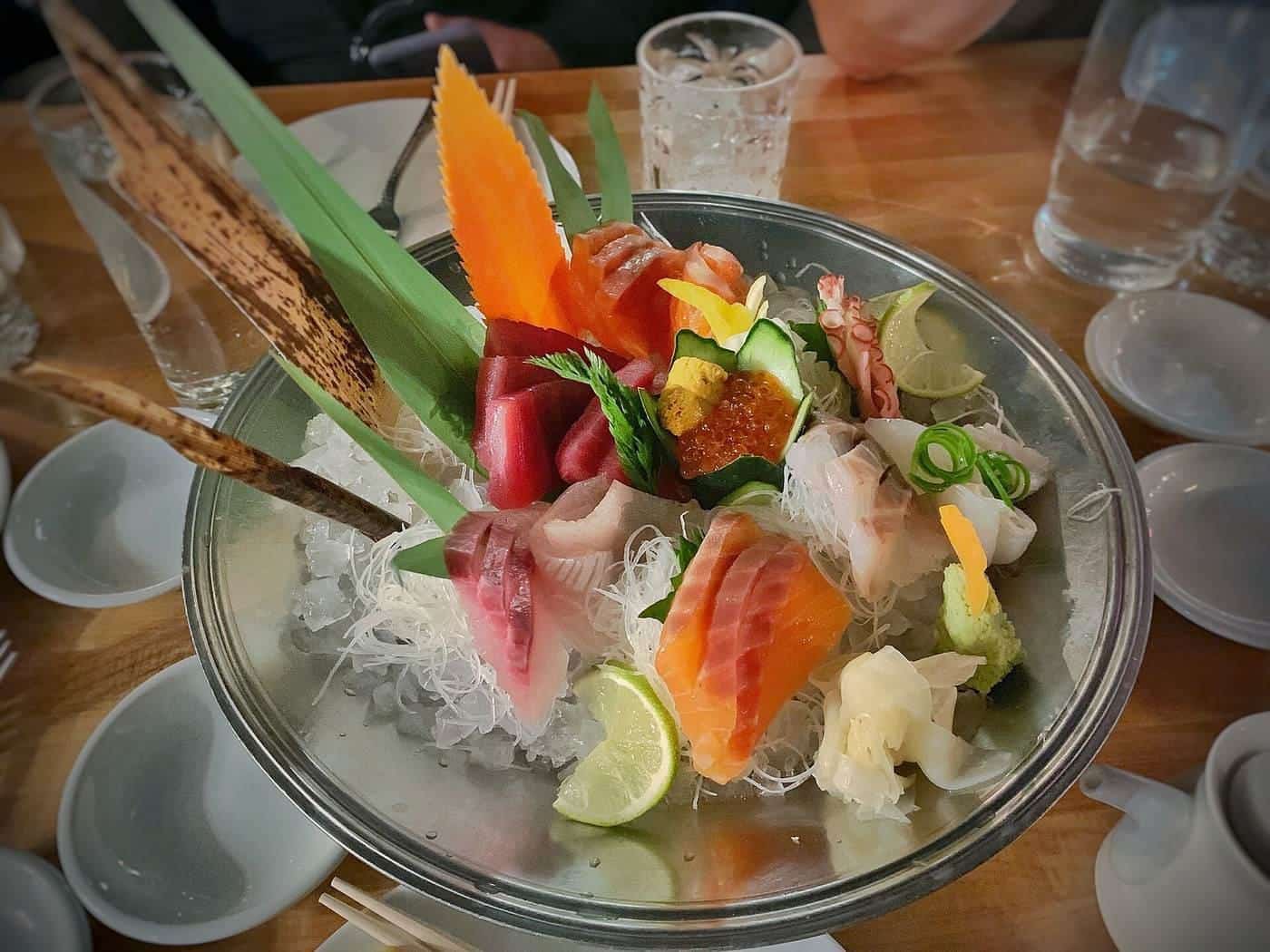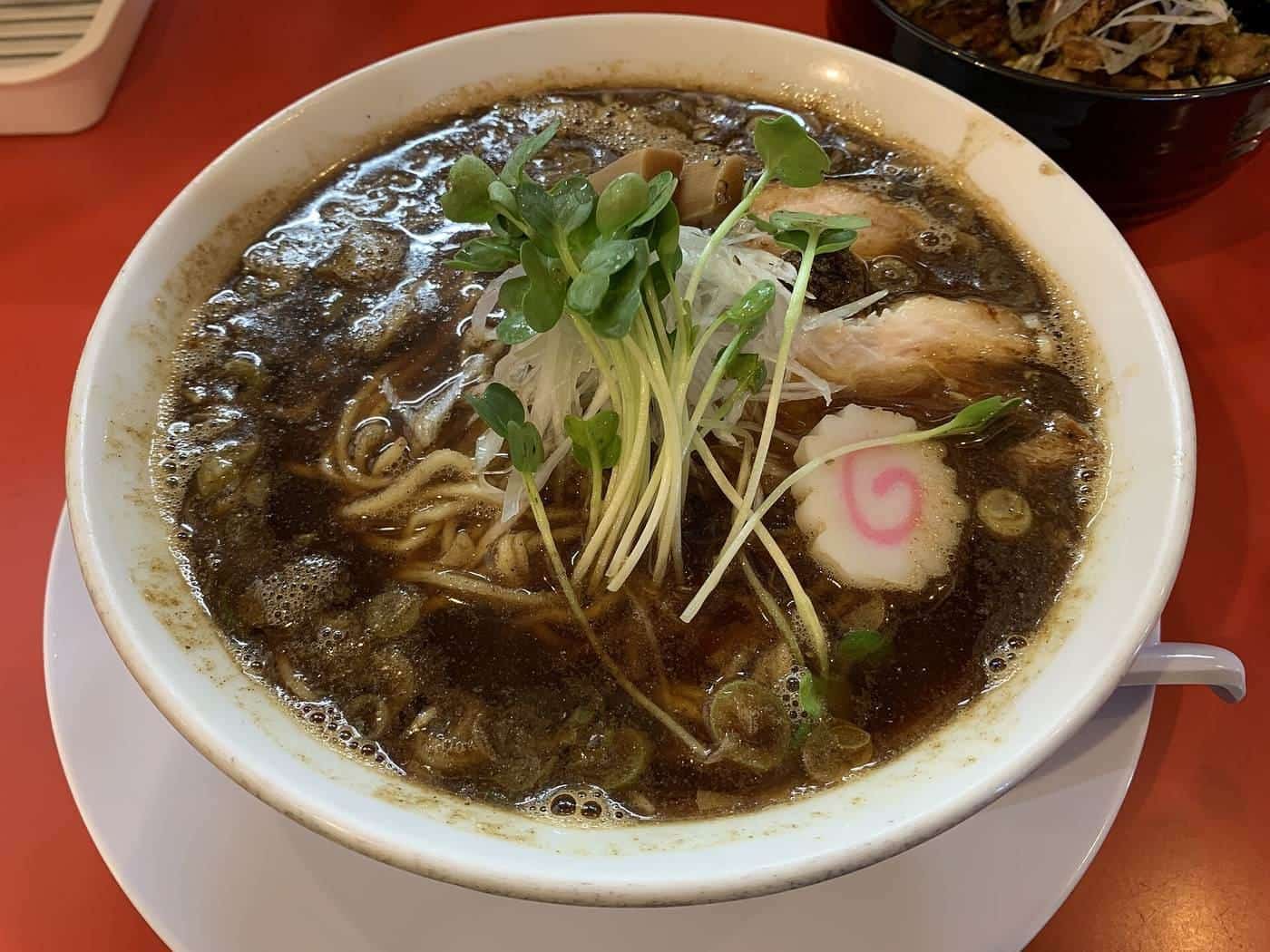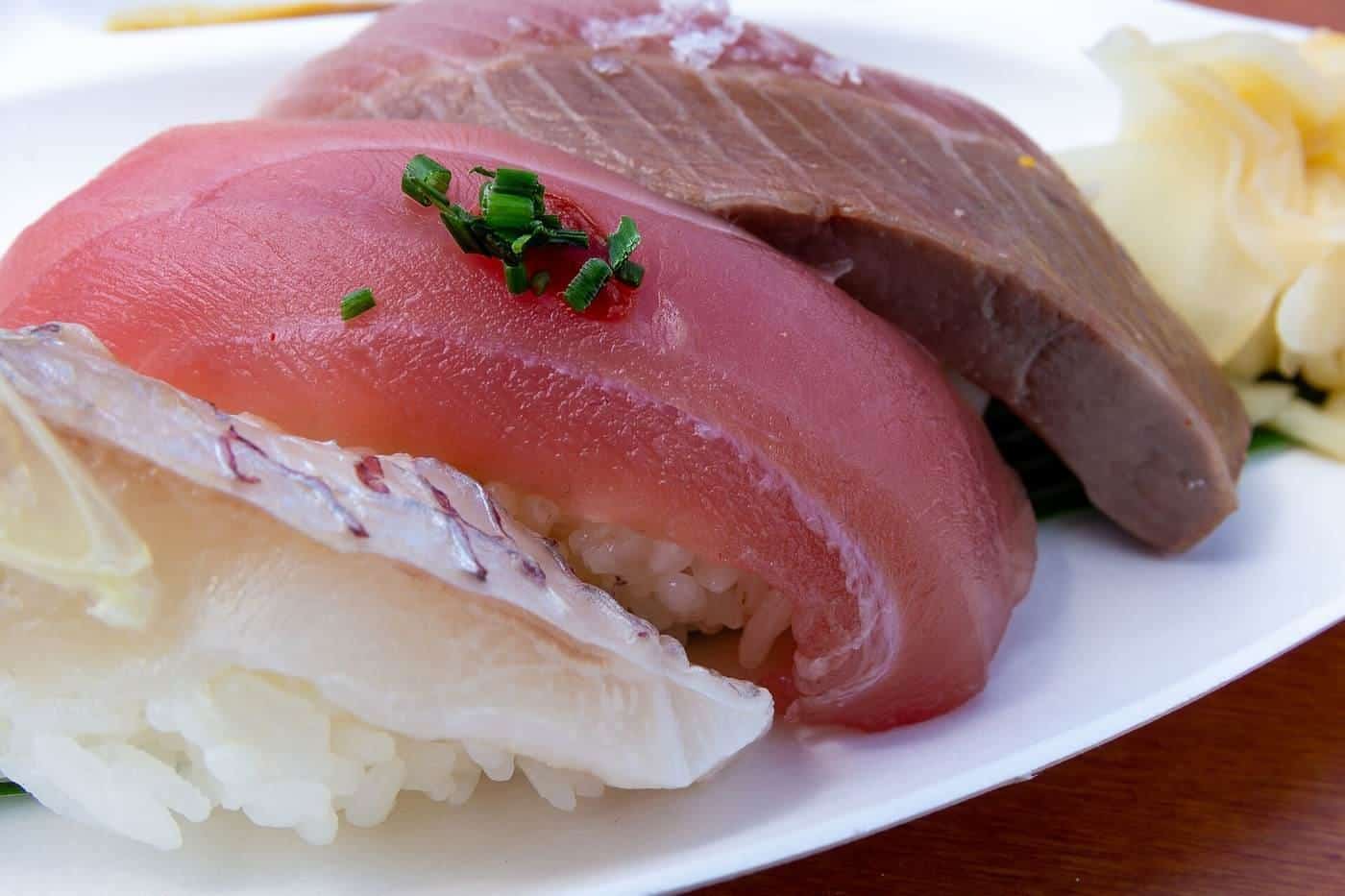
"Japanese restaurant" covers a huge range of places in Australia, from takeaway sushi shops and food-court noodle bars to small counters where a chef serves a set menu one piece at a time. In Japan, many restaurants specialise in a single type of food, and that tradition has carried over to Australian cities. Knowing what each style offers helps you choose the right place and know what to expect when you walk in.
This guide is general information written in our own words, based on the official sources listed at the end. Recipes and practices vary between restaurants, and food safety and health advice depends on your circumstances, so check the official source and follow your doctor's advice if you have an allergy, coeliac disease, are pregnant or have a weakened immune system. We don't review or recommend particular restaurants.
Sushi restaurants and sushi bars
Sushi restaurants range from casual to very formal. At a sushi bar, you sit at a counter facing the chef, who prepares each piece in front of you. JNTO describes the counter as a place where communication flows both ways: the chef adjusts the pace and portion to suit each diner, and you're welcome to say what you can't or would rather not eat. You can usually order piece by piece or choose a set.
Our sushi and sashimi guide explains the styles of sushi and how to eat them.
Conveyor-belt sushi (kaitenzushi)
At a conveyor-belt restaurant, small plates of sushi and other dishes travel past on a belt. JNTO's sushi guide explains the basic rules: you may take plates freely off the belt, but never put one back. If you're seated at a counter with a chef in front of you, you can order directly from them rather than waiting for something to come past. Green tea is often self-service.
Plates are usually priced by colour or pattern, with a chart on the wall or menu, and staff count your plates at the end. Many sushi trains in Australia also have tablets or QR codes for ordering.
From a food safety perspective, think about how long a plate may have been travelling around the belt. Many restaurants manage this, but freshly made items ordered directly are a sensible choice, especially for raw fish. See our raw fish safety guide.
Omakase
Omakase means, roughly, "I leave it to you". At an omakase restaurant, the chef chooses what you eat, usually a sequence of seasonal dishes and nigiri served at the counter. Omakase menus are often booked in advance, have set seating times and a set price. Tell the restaurant about allergies and dietary needs when you book, not when you arrive, so the chef can plan.
Ramen shops
JNTO describes ramen in Japan as casual dining: inexpensive, convenient and not a meal to linger over. Ramen shops usually specialise in one or two types of soup. In Japan many use a ticket vending machine for ordering; in Australia, ordering at the counter or table is more common. If people are queuing, it's polite not to stay long after finishing. See our ramen guide.
Udon and soba restaurants
Noodle restaurants specialise in udon or soba, served hot or cold. JNTO notes that udon is also often available at soba shops. Some Australian udon bars use a cafeteria-style line, where you choose your noodles and add toppings such as tempura as you go. See our udon and soba guide.
Izakaya
JNTO describes izakaya as casual Japanese pubs, the go-to choice for after-work dinners, comparing them to an Irish pub or a tapas bar: informal, inexpensive and fun. Food is meant to be shared. JNTO explains that each guest is given a small plate (torizara) to take their portion from shared dishes.
Typical izakaya food includes sashimi platters, karaage (fried chicken), yakisoba noodles and edamame, and in colder months nabe (hot pot), cooked at the table. Drinks include beer, chu-hi (shochu highballs), sake and umeshu, as well as soft drinks and oolong tea. Australian izakaya follow a similar format, often with a long menu of small plates. See our sake and drinks guide.
Teppanyaki
At a teppanyaki restaurant, chefs cook meat, seafood, vegetables and fried rice on a large, flat iron griddle in front of diners. In Australia, teppanyaki is often presented as entertainment, with chefs performing tricks as they cook, and it's popular for celebrations. If you have a food allergy, ask how the griddle is cleaned between dishes and guests, as foods are cooked on a shared surface.
Yakitori and robata
Yakitori restaurants specialise in grilled skewers, mostly chicken, cooked over charcoal and seasoned with salt (shio) or a sweet soy-based sauce (tare). Robatayaki restaurants grill a wider range of meat, seafood and vegetables over charcoal.
Tonkatsu restaurants
Tonkatsu restaurants specialise in crumbed, deep-fried pork cutlets, usually served with shredded cabbage, rice, miso soup and a thick, sweet-savoury sauce.
Kaiseki and fine dining
At the top end, kaiseki restaurants serve traditional multi-course meals built around seasonal ingredients. A small number of Australian restaurants offer kaiseki-style menus, usually by booking only. See our washoku guide.
Casual and takeaway
Much of the Japanese food Australians eat comes from casual places: sushi roll shops, bento and donburi counters, food-court stalls and Japanese bakeries. Japanese curry, donburi (rice bowls with toppings) and bento boxes are quick, filling and widely available. The NSW Food Authority advises eating store-bought sushi straight away after you buy it.
Choosing where to go
Think about what you want to eat, how much time you have and who you're with. For a quick meal, try a ramen or udon bar. For a group night out, an izakaya suits sharing. For a special occasion, a sushi counter or omakase menu offers a memorable experience. If you have dietary needs, check the menu online and contact the restaurant before you go.
Booking and walk-ins
Many counter and omakase restaurants require bookings, often weeks ahead, and may charge a deposit or cancellation fee. Ramen shops, udon bars and sushi trains usually take walk-ins and may have queues at busy times. Check the restaurant's booking policy before you go, and tell the restaurant about dietary needs when you book.
Price and value
Prices vary widely across restaurant types and cities, from inexpensive noodle bars and sushi trains to set-price omakase menus. We don't publish restaurant prices, because they change often. Check current menus and any surcharges directly with the restaurant.
Try the menu decoder
Our free menu decoder explains more than 50 common Japanese menu words in plain English, from nigiri, tonkotsu and zaru to omakase, junmai and itadakimasu. Type a word to see what it means. It runs entirely in your browser, and nothing you type is sent anywhere.
Where our information comes from
Factual statements in our guides are based on official and authoritative sources, including Food Standards Australia New Zealand (FSANZ), the NSW Food Authority, healthdirect, Coeliac Australia, Allergy & Anaphylaxis Australia, ASCIA, the NHMRC and the Japan National Tourism Organization. We link to each source at the end of the page and write everything in our own words. We don't publish invented statistics, prices or reviews.
Restaurants vary
Every restaurant has its own recipes, suppliers and kitchen practices. A dish with the same name can contain different ingredients at different restaurants, and recipes can change. That's why we always suggest asking staff about ingredients and preparation, especially if you have an allergy, coeliac disease, are pregnant or have another dietary need.
Supporting good restaurants
If a Japanese restaurant looks after you well, for example by explaining dishes clearly, adapting a meal for your dietary needs or making you feel welcome, let them know. Thanking staff, coming back and leaving an honest review all help good restaurants thrive. Honest feedback, delivered politely, also helps restaurants improve.
Key points
- Many Japanese restaurants specialise in one type of food.
- At conveyor-belt sushi, take plates freely but never put one back.
- Omakase means leaving the choice to the chef; book ahead and mention allergies when booking.
- JNTO compares izakaya to a pub or tapas bar, with food made for sharing.
- Teppanyaki uses a shared griddle, so ask about allergens.
Frequently asked questions
What is an izakaya?
JNTO describes an izakaya as a casual Japanese pub serving drinks and a variety of food made for sharing.
What does omakase mean?
Chef's choice: you leave the selection of dishes to the chef.
What are the rules at conveyor-belt sushi?
JNTO says you may take plates freely from the belt, but never put a plate back.
Do Japanese restaurants in Australia take bookings?
Many do, especially counter and omakase restaurants, but casual noodle bars and sushi trains often don't. Check with the restaurant.
Sources and further reading
Facts on this page were checked against these primary and official sources. Conditions change — confirm before you travel or buy.
- Izakaya dining guide — Japan National Tourism Organization (JNTO)
- Sushi in Japan guide — Japan National Tourism Organization (JNTO)
- Ramen — Japan National Tourism Organization (JNTO)
- Udon/Soba — Japan National Tourism Organization (JNTO)