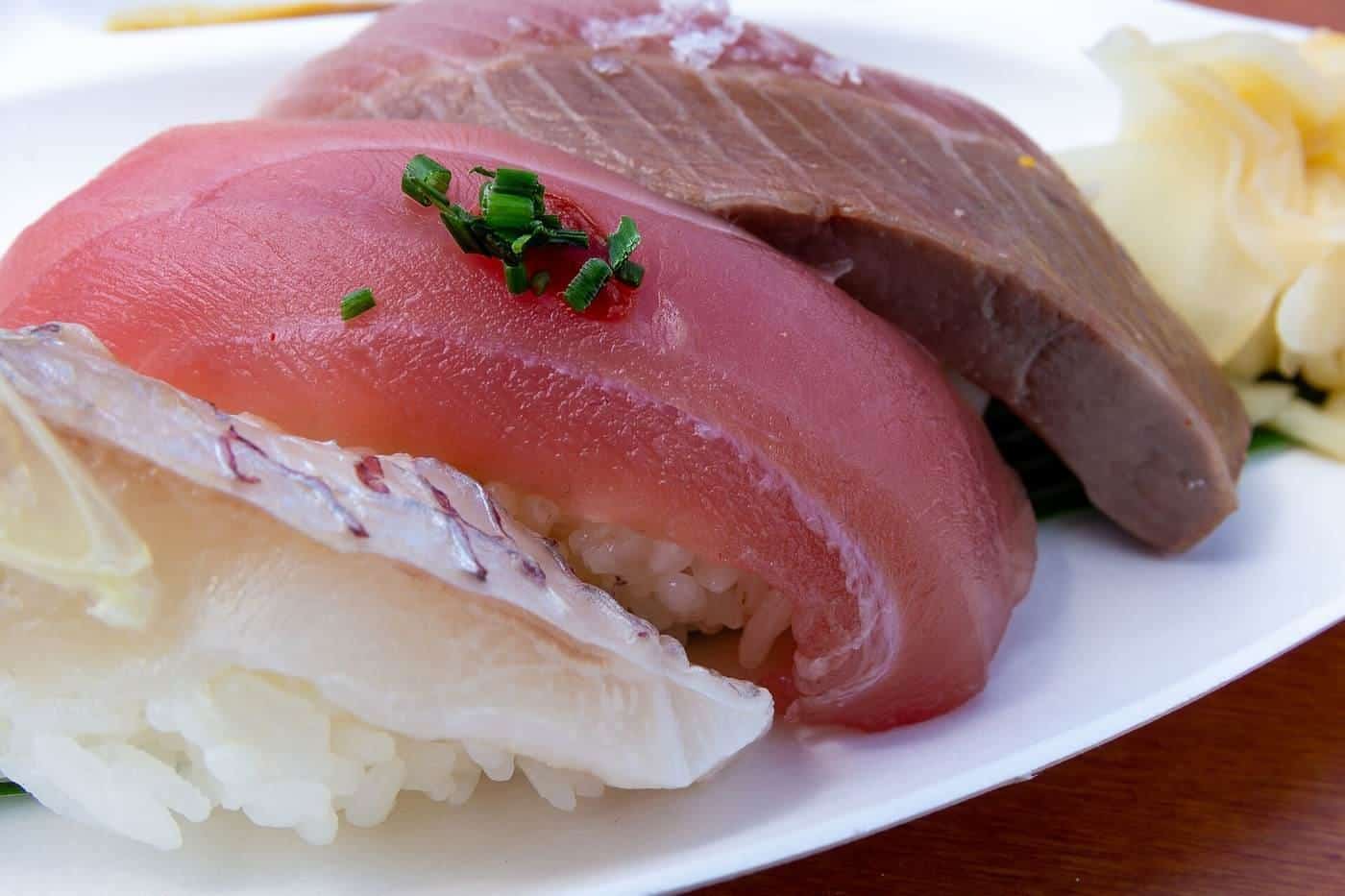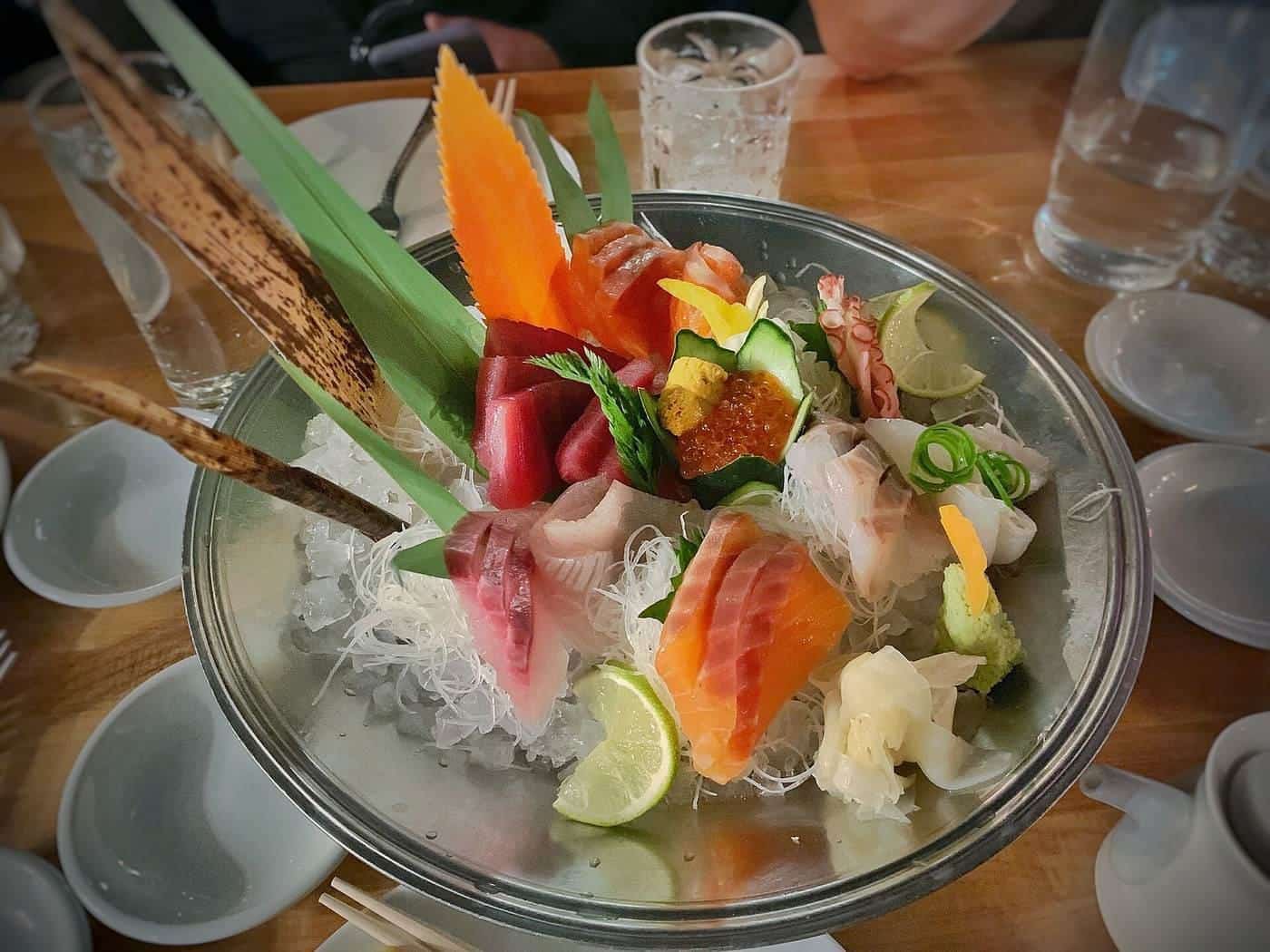
Raw fish is at the heart of sushi and sashimi, and most people enjoy it without any problems. But sushi is one of the foods that food safety regulators watch most closely, and some people are advised to avoid raw fish altogether. This guide explains why, how sushi businesses in Australia are expected to manage the risks and what you can do to lower your own risk.
This guide is general information written in our own words, based on the official sources listed at the end. Recipes and practices vary between restaurants, and food safety and health advice depends on your circumstances, so check the official source and follow your doctor's advice if you have an allergy, coeliac disease, are pregnant or have a weakened immune system. We don't review or recommend particular restaurants.
Why sushi needs care
The NSW Food Authority lists the food safety concerns that are unique to the preparation and sale of sushi:
- many businesses sell and display sushi at room temperature to preserve its flavour and texture
- it often contains perishable ingredients
- its preparation involves a lot of handling.
Raw fish, cooked rice and fillings such as cooked chicken, seafood and mayonnaise can all support the growth of bacteria if they're not kept at safe temperatures.
How rice is made safer
Plain cooked rice can support the growth of food poisoning bacteria if it's left at room temperature. The NSW Food Authority's sushi guidelines explain that adding vinegar to bring the rice to a pH of 4.6 or less inhibits the growth of most food poisoning bacteria. Businesses are expected to use tested recipes, check and record the pH, keep acidified rice covered and throw out any rice left at the end of the day. The guidelines say acidified rice can be stored for up to 8 hours at room temperature, while rice that hasn't been acidified must be kept refrigerated at 5°C or below.
Display rules
In NSW, retail sushi businesses can only display sushi at temperatures up to 25°C if they follow strict conditions, according to the Food Authority. The rice must be properly acidified, the sushi can only be out of refrigeration for up to 4 hours, and the business must have a system to track display time. Otherwise, sushi must be kept at 5°C or below, like other potentially hazardous foods. Other states and territories have their own food safety requirements, enforced by health departments and local councils.
Store-bought sushi
The NSW Food Authority advises that store-bought sushi should be eaten immediately after purchase. It's not recommended for people with low or weakened immunity, including pregnant women. Don't buy sushi in the morning and leave it in a warm bag or car until the afternoon.
Home-made sushi and leftovers
For sushi made at home, the Food Authority recommends good cleaning and hygiene and the 2-hour/4-hour rule. If sushi has been out of the fridge for:
- less than 2 hours, eat it now or put it back in the fridge for later
- between 2 and 4 hours, eat it now or throw it out
- more than 4 hours, throw it out, as bacteria may have grown to unsafe levels.
Listeria
Listeria is a bacterium that can cause a rare but serious illness called listeriosis. FSANZ explains that it's tolerant of low temperatures and can grow in food even when it's refrigerated, and that even a small amount can cause illness. For pregnant women, older people and people with weakened immune systems, listeriosis can be serious and even fatal, and in pregnancy it can cause miscarriage, premature birth or stillbirth.
FSANZ advises people in these groups to avoid chilled seafood such as raw oysters, sashimi and sushi, smoked ready-to-eat seafood and cooked ready-to-eat prawns. See our pregnancy guide.
Other risks from raw fish
Raw fish can also carry parasites and other bacteria or viruses. Raw shellfish such as oysters are higher risk because they filter large amounts of water. Reputable suppliers and restaurants manage these risks through sourcing, handling and temperature control, which is why it's important to eat raw fish from businesses that take food safety seriously.
Simple ways to lower your risk
- Choose busy restaurants with good hygiene where sushi is made fresh.
- Prefer sushi and sashimi made to order over pieces that have been on display for an unknown time.
- Eat takeaway sushi straight away rather than saving it for later.
- Check that cold food is cold and hot food is hot.
- If you're in a higher-risk group, choose cooked options such as cooked fish, chicken, egg or vegetable rolls that are freshly made, or hot dishes.
- At home, keep raw fish refrigerated, use it quickly and follow the 2-hour/4-hour rule.
If you get sick
healthdirect explains that food poisoning symptoms can include nausea, vomiting, stomach cramps, diarrhoea and fever, and that most people recover within a few days. Drink plenty of fluids to avoid dehydration. healthdirect advises seeing a doctor if symptoms are severe, if you can't keep fluids down, if there's blood in your stools, or if you're pregnant, elderly or have a weakened immune system. For health advice, you can call healthdirect on 1800 022 222.
If you think you got sick from food from a business, you can report it to your state or territory food safety authority or local council.
Hygiene ratings
Some councils and states run food safety rating or "scores on doors" schemes, and inspection results or penalty notices may be published. These can help you choose, though not every business takes part.
Freezing and parasites
Some raw fish is frozen before being served raw, as one way of controlling parasites. Requirements and practices vary, so if you have concerns, ask the restaurant how its fish is sourced and handled. Cooking fish thoroughly kills parasites and bacteria.
Taking sushi home
If you buy sushi to eat later, keep it cold in a fridge or cooler bag and eat it as soon as you can, following the 2-hour/4-hour rule. Don't leave sushi in a hot car or bag. If in doubt, throw it out.
Try the menu decoder
Our free menu decoder explains more than 50 common Japanese menu words in plain English, from nigiri, tonkotsu and zaru to omakase, junmai and itadakimasu. Type a word to see what it means. It runs entirely in your browser, and nothing you type is sent anywhere.
Where our information comes from
Factual statements in our guides are based on official and authoritative sources, including Food Standards Australia New Zealand (FSANZ), the NSW Food Authority, healthdirect, Coeliac Australia, Allergy & Anaphylaxis Australia, ASCIA, the NHMRC and the Japan National Tourism Organization. We link to each source at the end of the page and write everything in our own words. We don't publish invented statistics, prices or reviews.
Restaurants vary
Every restaurant has its own recipes, suppliers and kitchen practices. A dish with the same name can contain different ingredients at different restaurants, and recipes can change. That's why we always suggest asking staff about ingredients and preparation, especially if you have an allergy, coeliac disease, are pregnant or have another dietary need.
Supporting good restaurants
If a Japanese restaurant looks after you well, for example by explaining dishes clearly, adapting a meal for your dietary needs or making you feel welcome, let them know. Thanking staff, coming back and leaving an honest review all help good restaurants thrive. Honest feedback, delivered politely, also helps restaurants improve.
Eating Japanese food in Japan
If you're travelling to Japan, the Japan National Tourism Organization publishes free guides to Japanese food, dining etiquette and customs on its website. Many of the customs in our guides, such as paying at ticket machines in ramen shops or ordering sake by the go, are more common in Japan than in Australia.
Key points
- The NSW Food Authority says sushi is often displayed at room temperature, has perishable ingredients and involves lots of handling.
- Sushi rice should be acidified to pH 4.6 or less.
- Eat store-bought sushi straight away.
- FSANZ advises pregnant women and other at-risk people to avoid sashimi and sushi because of Listeria.
- See a doctor if food poisoning symptoms are severe or you're in a higher-risk group.
Frequently asked questions
Why is sushi considered a higher-risk food?
The NSW Food Authority says sushi is often displayed at room temperature, contains perishable ingredients and involves a lot of handling.
How long can sushi be left out?
The NSW Food Authority's 2-hour/4-hour rule: under 2 hours, eat or refrigerate; 2 to 4 hours, eat or throw out; over 4 hours, throw out.
Who should avoid raw fish?
FSANZ advises pregnant women, older people and people with weakened immune systems to avoid chilled seafood such as sashimi and sushi because of Listeria.
What are the symptoms of food poisoning?
healthdirect lists symptoms such as nausea, vomiting, diarrhoea, stomach cramps and fever.
Sources and further reading
Facts on this page were checked against these primary and official sources. Conditions change — confirm before you travel or buy.
- Sushi — NSW Food Authority
- Food safety guidelines for the preparation and display of sushi — NSW Food Authority
- Listeria in food — Food Standards Australia New Zealand (FSANZ)
- Food poisoning — healthdirect