Japanese food in Australia ranges from takeaway sushi rolls to bowls of rich tonkotsu ramen and delicate seasonal set meals. These guides explain the dishes you'll meet most often, how they differ and how to enjoy them, along with the food culture behind them.
Guides in this section
- Sushi and sashimi explained Nigiri, maki, hand rolls, inari and how to eat them.
- A guide to ramen Shio, shoyu, miso and tonkotsu, toppings and etiquette.
- Udon and soba noodles Wheat and buckwheat noodles, hot and cold.
- Washoku: traditional Japanese food Seasonality, dashi and the shape of a meal.
Sushi and sashimi
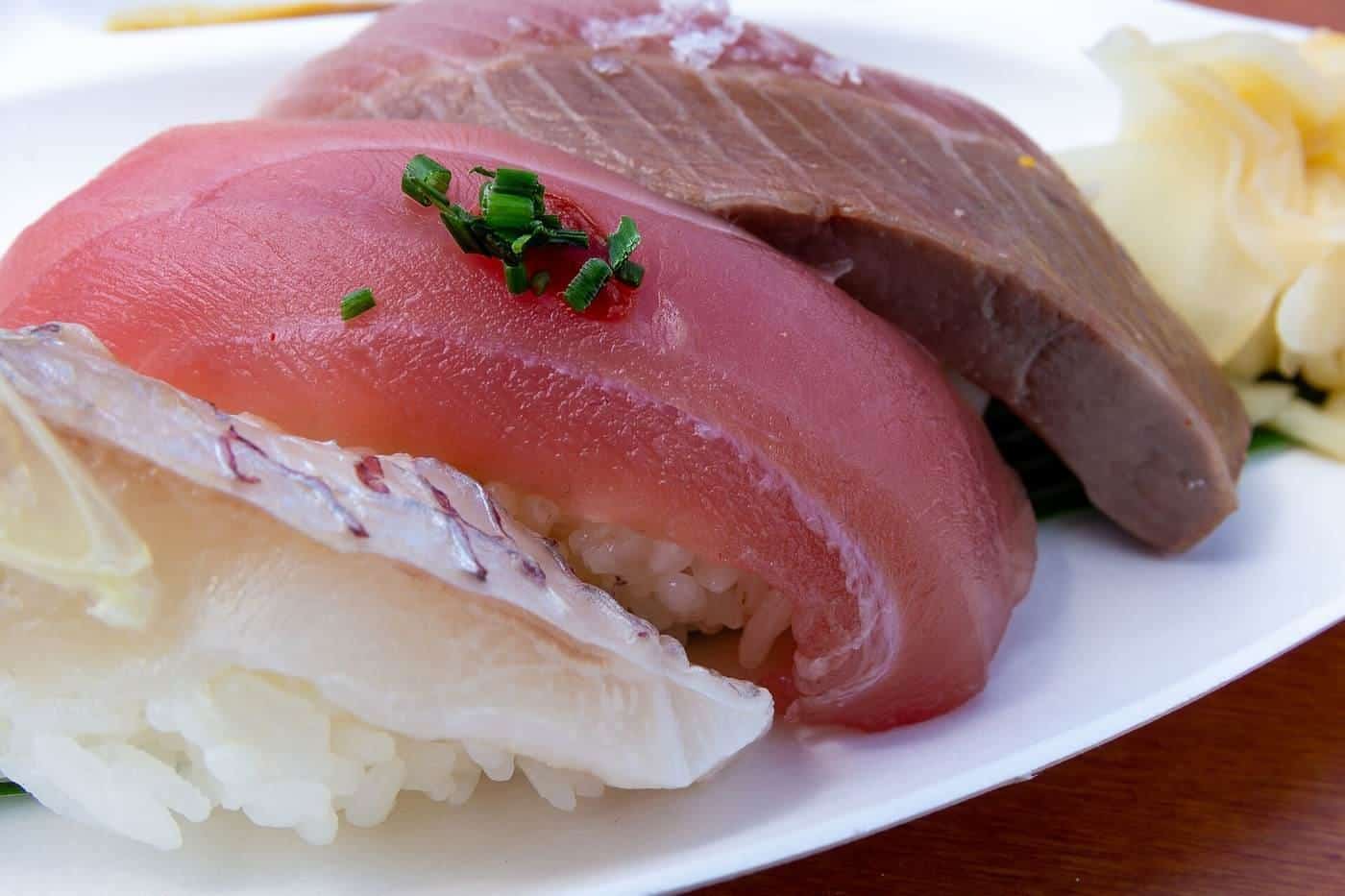
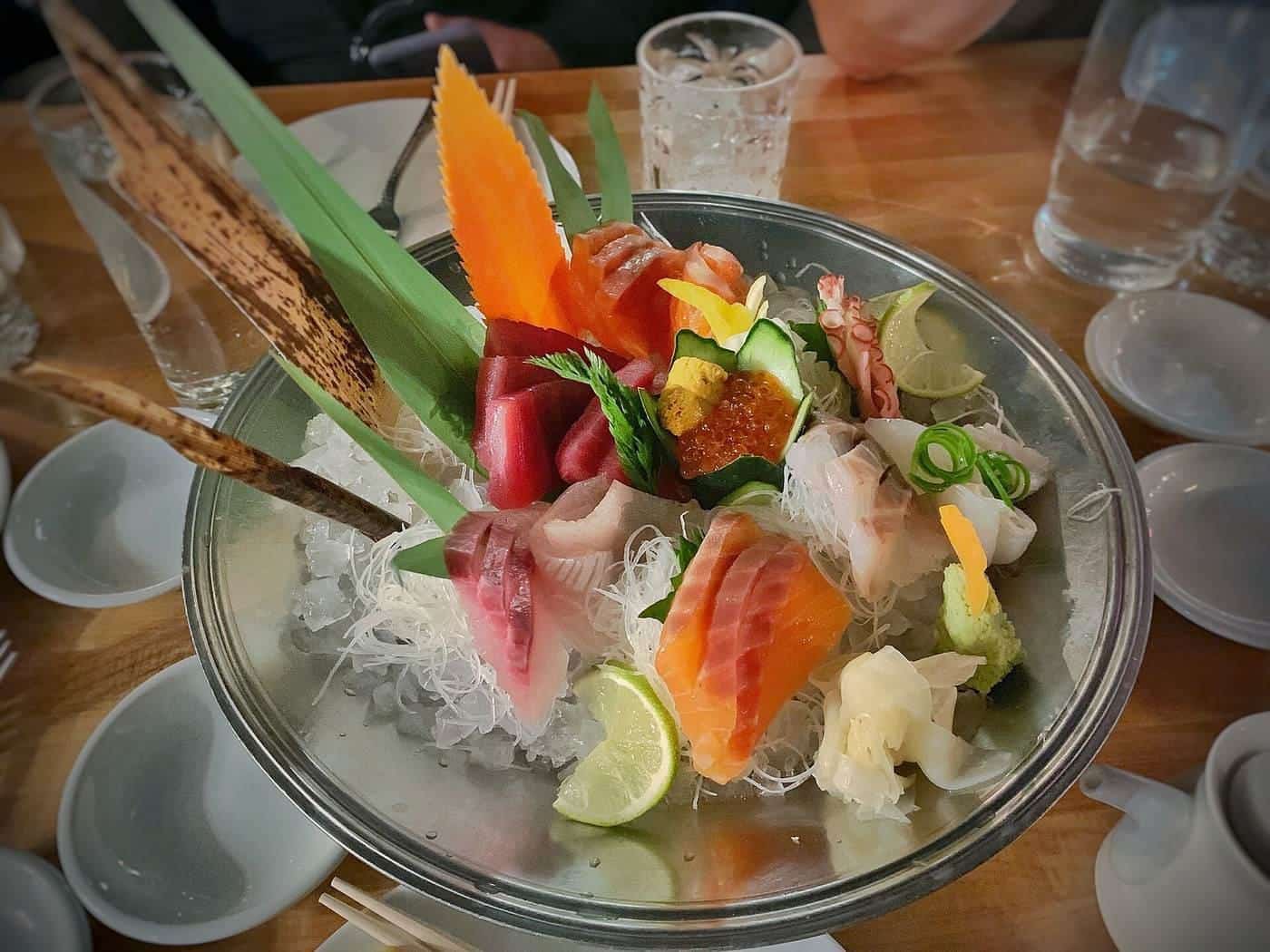
The NSW Food Authority describes sushi as cold, cooked rice acidified with vinegar and topped with raw or cooked fish, or rolled with fish, egg, meat or vegetables in nori. Sashimi is sliced raw fish served without rice. JNTO's sushi guide says you can eat sushi with chopsticks or your hands, and advises dipping the topping, not the rice.
Ramen
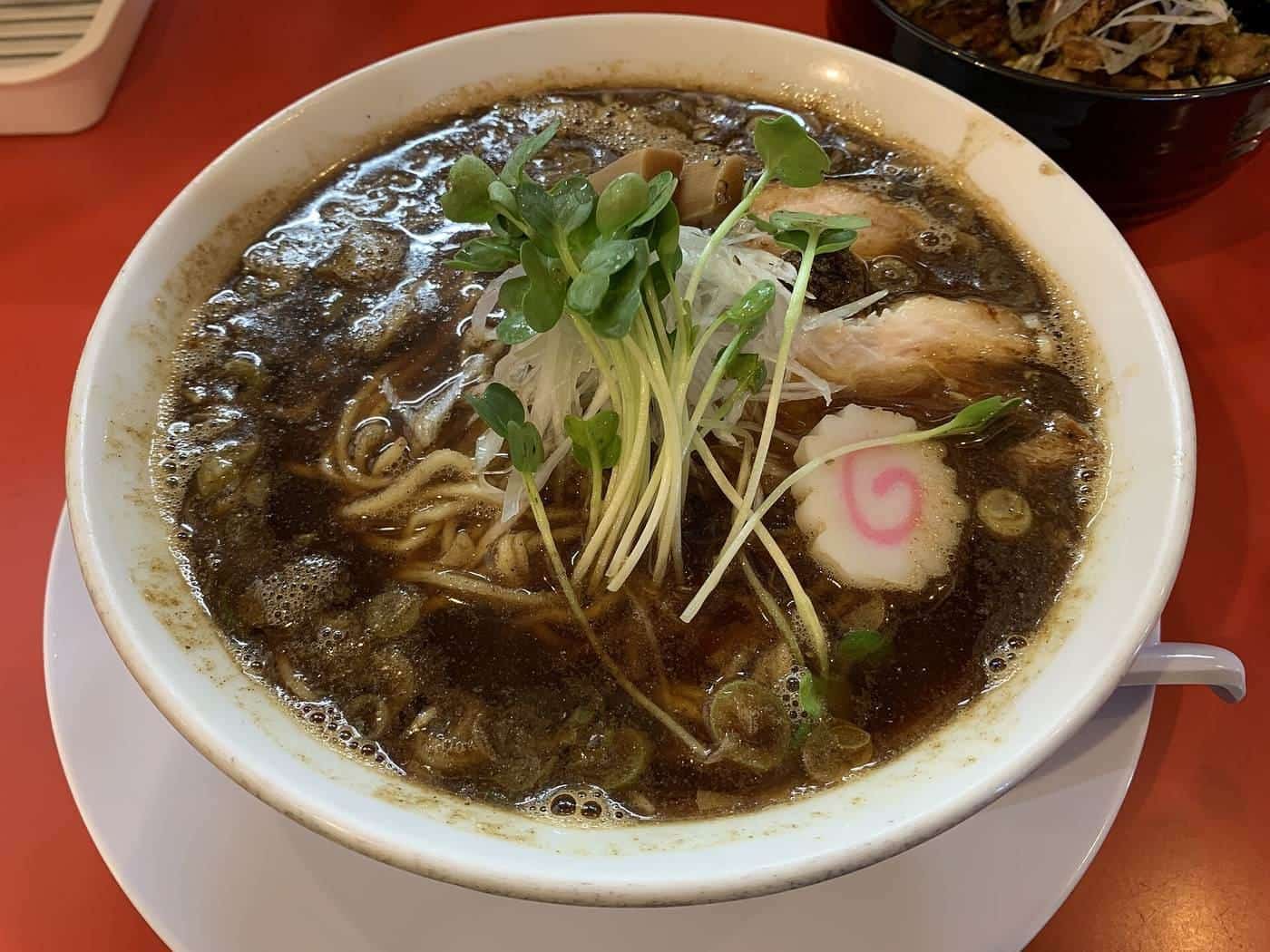
JNTO describes ramen as casual, inexpensive and convenient, and lists four of the most common types: shio, shoyu, miso and tonkotsu. Shops usually specialise in one or two soups, and slurping is perfectly normal.
Udon and soba
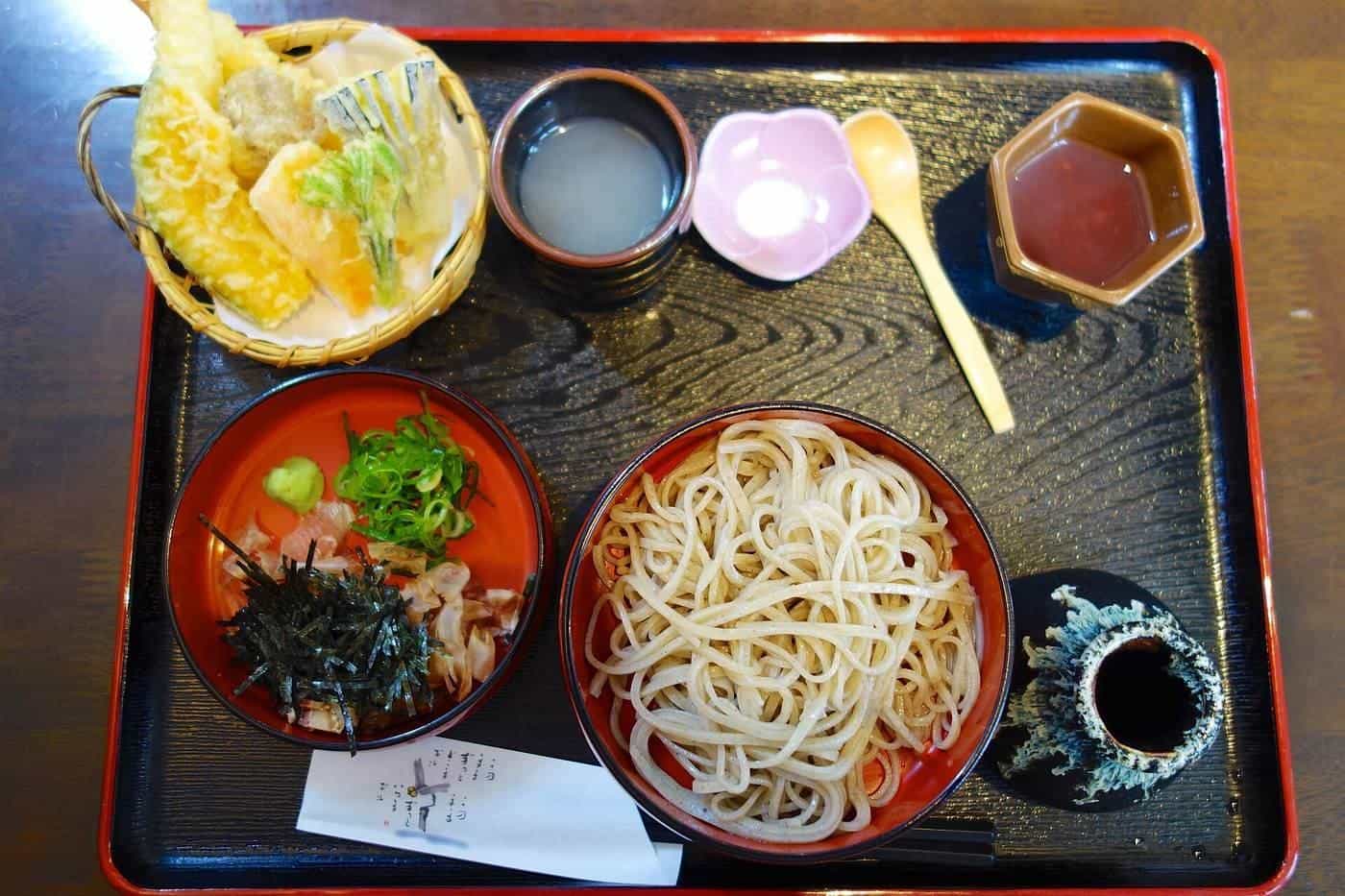
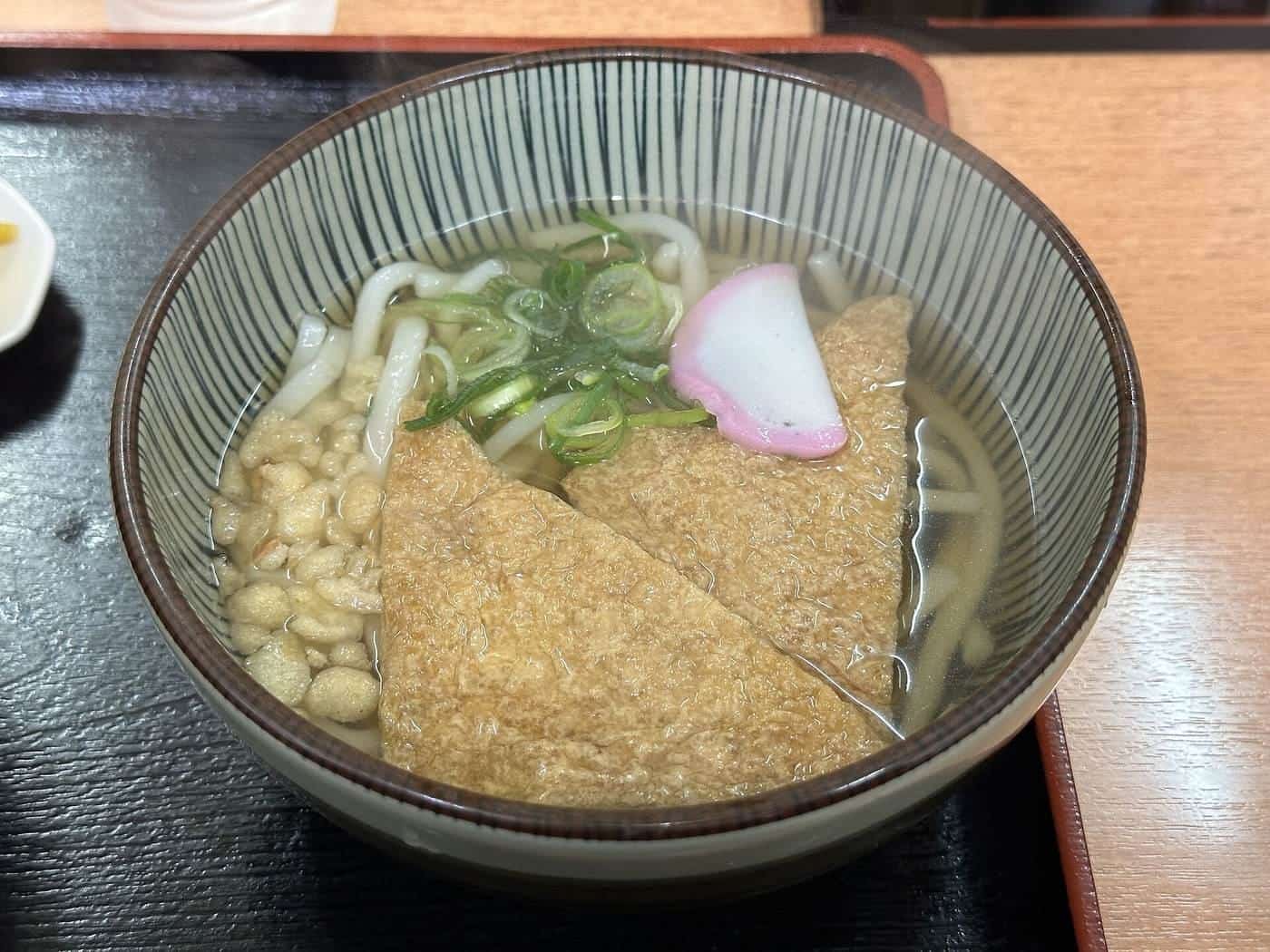
JNTO explains that udon is made from flour and salt, while soba is made from buckwheat, sometimes with flour. Both can be served in hot broth or cold with a dipping sauce, such as zaru soba on a bamboo tray.
Washoku
UNESCO inscribed washoku, traditional Japanese food culture, on its intangible cultural heritage list in 2013. JNTO names fresh, seasonal ingredients and dashi, an umami-rich stock, as defining features of Japanese cuisine.
Small dishes worth trying
Beyond the big four, Japanese menus are full of small dishes worth exploring: edamame, gyoza, karaage, agedashi tofu, chawanmushi (savoury egg custard), takoyaki and okonomiyaki. Our menu terms guide explains them.
Five things worth knowing
- Sushi is about the rice, and doesn't have to contain raw fish.
- Dip the topping, not the rice, and never stand chopsticks upright in a bowl.
- Dashi usually contains fish, and most soy sauce contains wheat.
- Eat store-bought sushi straight away, and avoid raw fish if you're pregnant or have a weakened immune system.
- Always tell staff about allergies before ordering. Menus don't have to list allergens.
A simple way to explore Japanese food
If you're new to Japanese food, start with dishes that are familiar in shape: a bowl of udon or ramen, a donburi rice bowl, karaage or a bento set. Then try a few pieces of nigiri with cooked toppings such as prawn, eel or tamago, before moving on to raw fish. At an izakaya, order several small dishes to share, so everyone can try a little of everything. At a counter restaurant, ask the chef what's in season. Over time, the menu words will become familiar, and you'll find the styles you love most.
Common mistakes to avoid
A few mistakes come up often. Pouring a big pool of soy sauce and soaking the rice drowns the flavour and makes sushi fall apart. Mixing a large amount of wasabi into soy sauce hides the taste of the fish. Leaving takeaway sushi in a warm bag for hours increases food safety risks. Assuming a vegetable dish is vegetarian can be a problem, because dashi stock usually contains fish. And assuming a dish is gluten free because it's rice-based overlooks soy sauce, which usually contains wheat. Each of these is easy to avoid once you know.
Japanese food in Australia
Japanese restaurants are found in every Australian capital city and in many regional towns, from food courts and shopping centres to dedicated ramen bars, izakaya and fine dining counters. Many restaurants adapt dishes to local tastes and ingredients, such as rolls with avocado, chicken or Australian seafood, while others aim to recreate the food of a particular region of Japan. Both have their place. Our guides focus on what the dishes are, how to enjoy them and how to eat safely, rather than on particular restaurants.
Questions to ask staff
Staff at Japanese restaurants are usually happy to explain dishes. Useful questions include: what do you recommend, and what is in season? Which dishes are raw and which are cooked? Does this contain dashi, soy sauce, sesame or egg? Is this made to order? Can it be adapted for my dietary needs? Asking is never rude, and it often leads to a better meal.
About these guides
Japanese Restaurants is an independent information site about Japanese food and dining in Australia. We aren't a restaurant, booking service, directory or health authority, and we don't review, rank or recommend restaurants. Our guides are general information written in our own words, with official sources listed on every page. They're not medical, dietary or allergy advice.
How we keep these guides current
We review each guide against its sources and show the date it was last checked. Food safety advice and allergen rules are updated from time to time. If you notice something out of date, please tell us through our contact page, and we'll check and correct it.
Try the menu decoder
Our free menu decoder explains more than 50 common Japanese menu words in plain English. It runs entirely in your browser, and nothing you type is sent anywhere.
Guides in this section
Dishes
Sushi and sashimi explained
A plain-language guide to sushi and sashimi: nigiri, maki, hand rolls and inari, what the terms mean, how to eat sushi and food safety basics.
Read · 6 min
Dishes
A guide to ramen
A plain-language guide to ramen: the four common styles, regional varieties, toppings, how to order and eat it, and allergy notes.
Read · 6 min
Dishes
Udon and soba noodles
A plain-language guide to udon and soba: what they are made from, hot and cold styles, toppings, how to eat them and allergy notes.
Read · 6 min
Dishes
Washoku: traditional Japanese food
A plain-language guide to washoku, the traditional Japanese food culture recognised by UNESCO: seasonality, dashi, umami and the shape of a meal.
Read · 6 min
Frequently asked questions
What is the difference between sushi and sashimi?
Sushi is made with vinegared rice; sashimi is sliced raw fish or seafood without rice.
What are the main ramen styles?
JNTO lists shio (salt), shoyu (soy sauce), miso and tonkotsu (pork bone) as the most common.
What are udon and soba made from?
JNTO says udon is made from flour and salt, and soba from buckwheat, sometimes with flour.
What is washoku?
Traditional Japanese food culture, inscribed by UNESCO as intangible cultural heritage in 2013.
Sources and further reading
Facts on this page were checked against these primary and official sources. Conditions change — confirm before you travel or buy.
- Sushi in Japan guide — Japan National Tourism Organization (JNTO)
- Ramen — Japan National Tourism Organization (JNTO)
- Udon/Soba — Japan National Tourism Organization (JNTO)
- Washoku, traditional dietary cultures of the Japanese — UNESCO
- Japanese food etiquette guide — Japan National Tourism Organization (JNTO)