Japanese food is part of everyday eating in Australia, from a quick sushi roll at lunch to a bowl of ramen on a cold night or a special omakase dinner. This site brings together independent, plain-language guides to Japanese dishes, dining out and eating safely, with official sources on every page and a free menu decoder.
Explore the guides
- Dishes Sushi and sashimi, ramen, udon and soba, and washoku.
- Dining out Types of restaurants, etiquette, menu terms and sake.
- Eat safely Raw fish, food allergies, pregnancy and gluten-free eating.
Popular guides
- Sushi and sashimi explained
- A guide to ramen
- Japanese dining etiquette
- Japanese menu terms explained
- Japanese food during pregnancy
Sushi, the right way
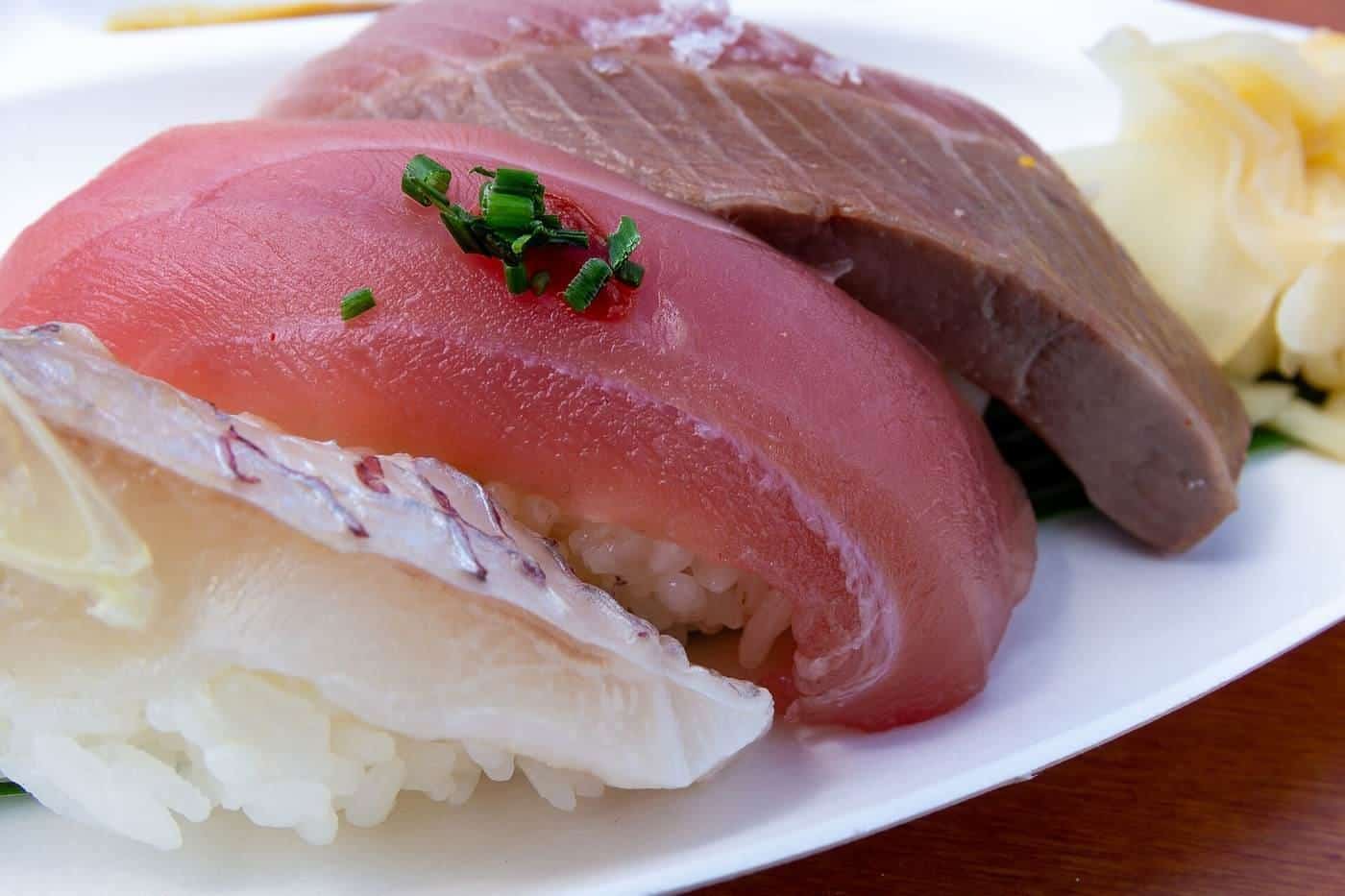
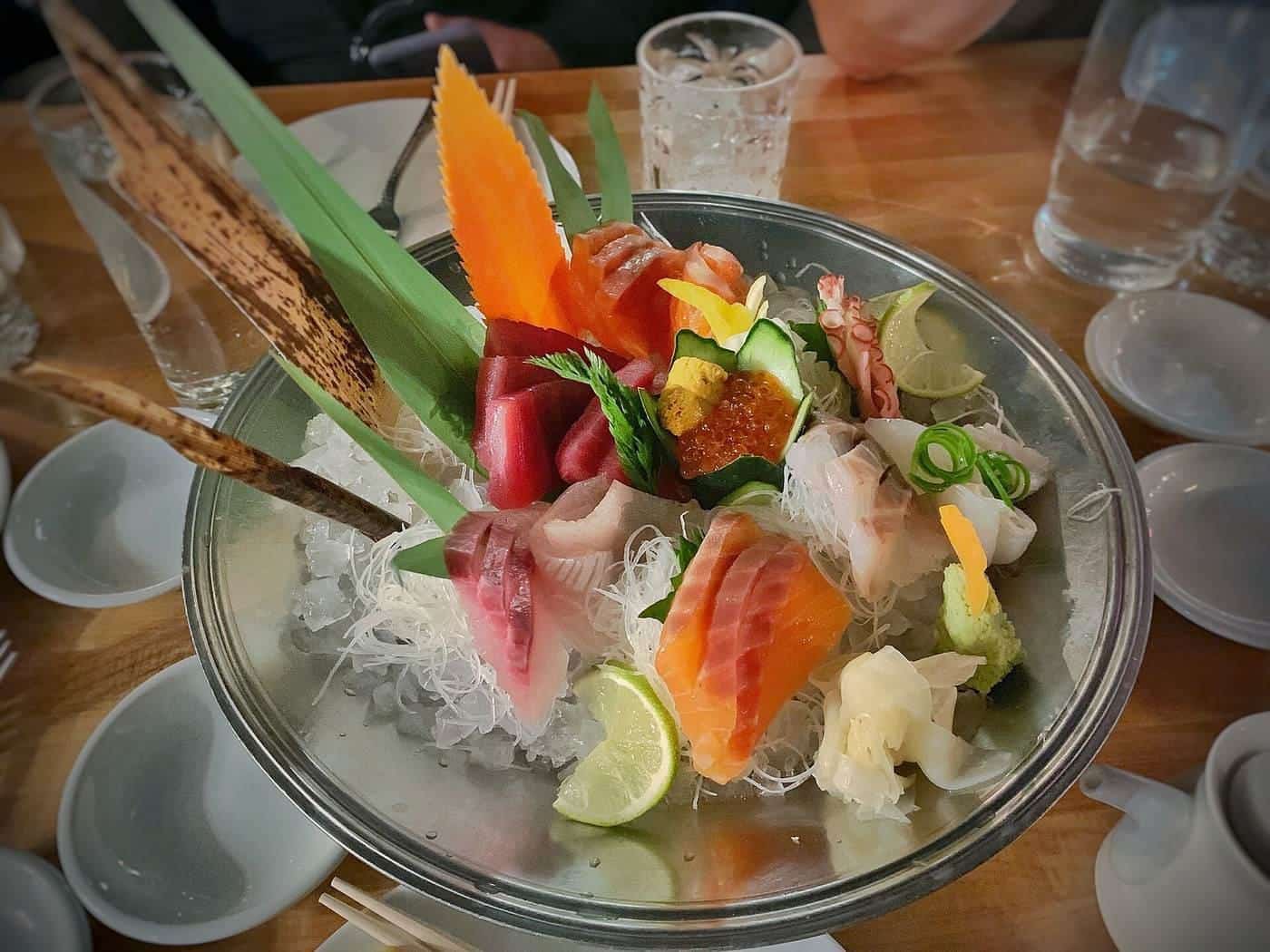
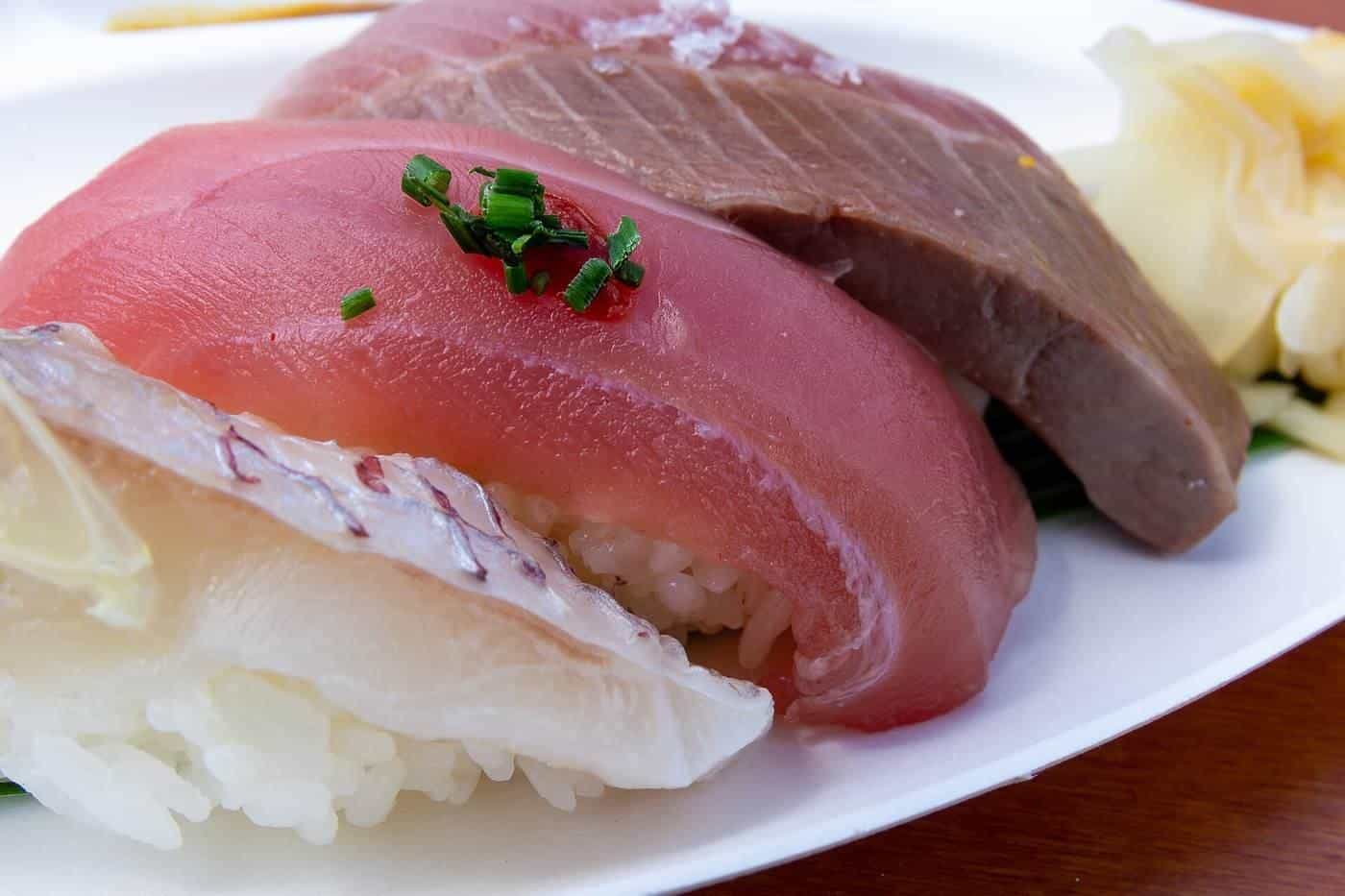
The NSW Food Authority describes sushi as vinegared rice topped with raw or cooked fish, or rolled with fillings in nori. JNTO's sushi guide says you can eat it with chopsticks or your hands, advises dipping the topping rather than the rice, and explains that pickled ginger is eaten between pieces as a palate cleanser.
Noodles
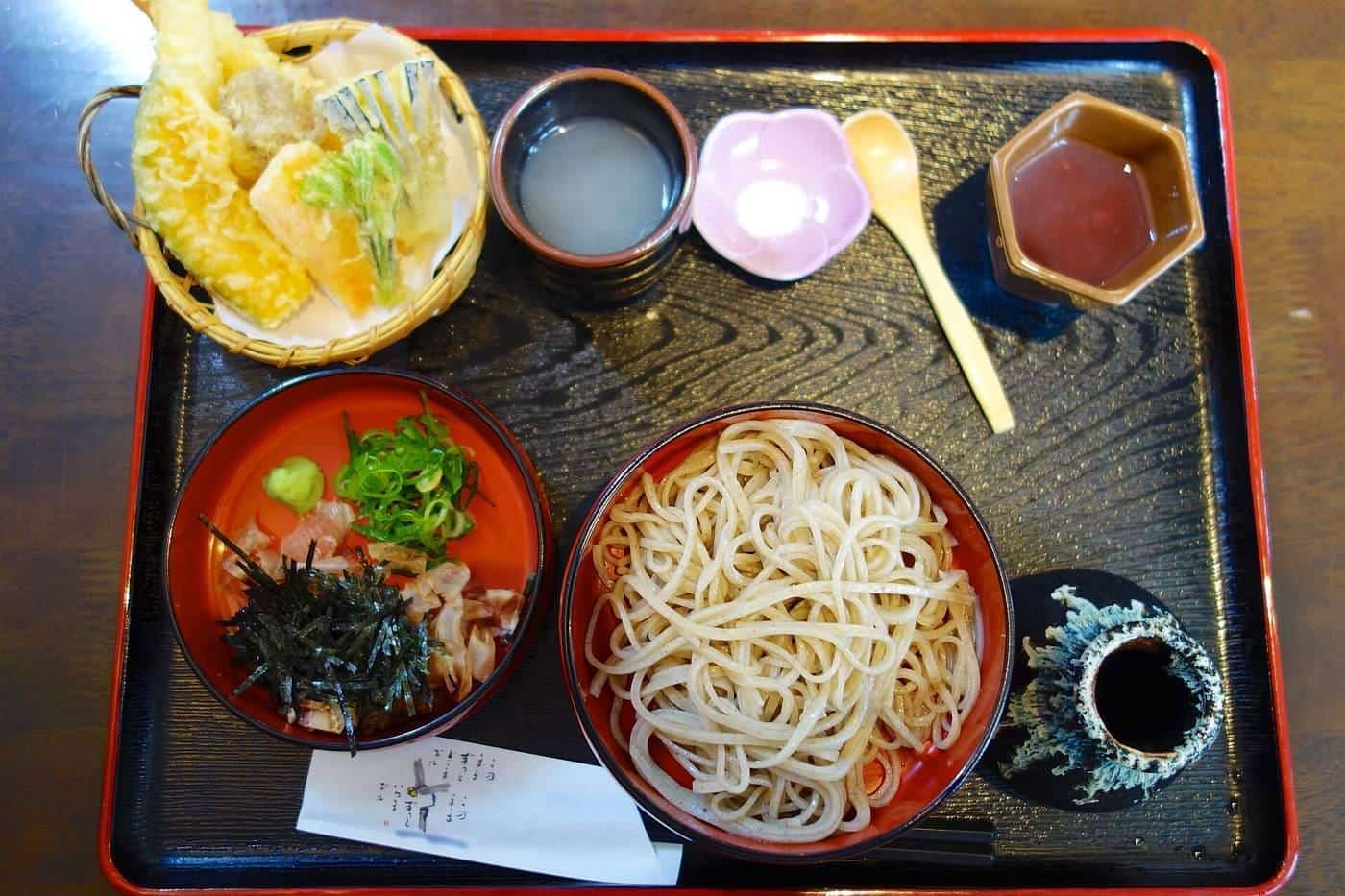
JNTO lists shio, shoyu, miso and tonkotsu as the four most common types of ramen, and explains that udon is made from flour while soba is made from buckwheat. Slurping is normal in Japan, and some say it enhances the flavour.
The food culture behind it
UNESCO recognised washoku, traditional Japanese food culture, as intangible cultural heritage in 2013. JNTO names seasonal ingredients and dashi, an umami-rich stock, as defining features of Japanese cuisine.
Etiquette in a nutshell
Say "itadakimasu" before eating and "gochisosama desu" after. JNTO says the two biggest chopstick no-nos are standing chopsticks upright in rice and passing food from chopsticks to chopsticks. Pour for others when drinking, and wait for "kanpai".
Eat safely
The NSW Food Authority advises eating store-bought sushi straight away, and FSANZ advises pregnant women and people with weakened immune systems to avoid chilled seafood such as sashimi and sushi because of Listeria. If you have a food allergy or coeliac disease, remember that dashi usually contains fish and most soy sauce contains wheat, and always tell staff before ordering.
Japanese food in Australia
Japanese restaurants are found in every Australian capital city and in many regional towns, from food courts and shopping centres to dedicated ramen bars, izakaya and fine dining counters. Many restaurants adapt dishes to local tastes and ingredients, such as rolls with avocado, chicken or Australian seafood, while others aim to recreate the food of a particular region of Japan. Both have their place. Our guides focus on what the dishes are, how to enjoy them and how to eat safely, rather than on particular restaurants.
Questions to ask staff
Staff at Japanese restaurants are usually happy to explain dishes. Useful questions include: what do you recommend, and what is in season? Which dishes are raw and which are cooked? Does this contain dashi, soy sauce, sesame or egg? Is this made to order? Can it be adapted for my dietary needs? Asking is never rude, and it often leads to a better meal.
Ordering for a group
Japanese meals are often shared. At an izakaya, order a few small dishes from different parts of the menu, such as edamame, sashimi, karaage and a grilled dish, then add more as you go. JNTO explains that each guest is given a small plate, or torizara, for taking their portion from shared dishes. For sushi, a mixed platter is an easy way for a group to try several kinds. If someone in your group is pregnant, has an allergy or prefers cooked food, ask for some cooked options to be included.
Cooking Japanese food at home
Many Japanese dishes are easy to make at home once you have a few basics: short-grain rice, soy sauce, miso, rice vinegar, mirin, kombu and bonito flakes or dried shiitake. Miso soup, donburi, simple rolls with cooked fillings, udon in broth and Japanese curry are good places to start. Follow food safety basics: keep raw fish cold and use it quickly, keep raw and cooked foods separate, and refrigerate leftovers promptly.
Try the menu decoder
Our free menu decoder explains more than 50 common Japanese menu words in plain English. It runs entirely in your browser, and nothing you type is sent anywhere.
About this site
This web address was once home to a Melbourne restaurant directory, which later closed. Japanese Restaurants is a new, independent site with original content and no connection to that business, any restaurant it listed or any previous operator. We aren't a restaurant, booking service, directory or health authority, and we don't review, rank or recommend restaurants. We never invent statistics, prices, reviews or quotes, and our guides are general information, not medical, dietary or allergy advice.
How we work
Every guide is written in our own words from official and authoritative sources, including Food Standards Australia New Zealand, the NSW Food Authority, healthdirect, Coeliac Australia, Allergy & Anaphylaxis Australia, ASCIA, the NHMRC and the Japan National Tourism Organization. We link to those sources at the end of each page and review guides regularly. Read our editorial policy for details, or contact us with corrections.