Japanese menus in Australia usually include English descriptions, but the Japanese names are often the key to understanding what you're ordering. Once you know a few dozen words, especially the words for cooking methods, you can read most menus with confidence. This glossary groups the most common terms. Our free menu decoder on the home page lets you look them up quickly.
This guide is general information written in our own words, based on the official sources listed at the end. Recipes and practices vary between restaurants, and food safety and health advice depends on your circumstances, so check the official source and follow your doctor's advice if you have an allergy, coeliac disease, are pregnant or have a weakened immune system. We don't review or recommend particular restaurants.
Sushi and sashimi
- Sushi. Vinegared rice with toppings or fillings.
- Shari. Sushi rice. Neta. The topping.
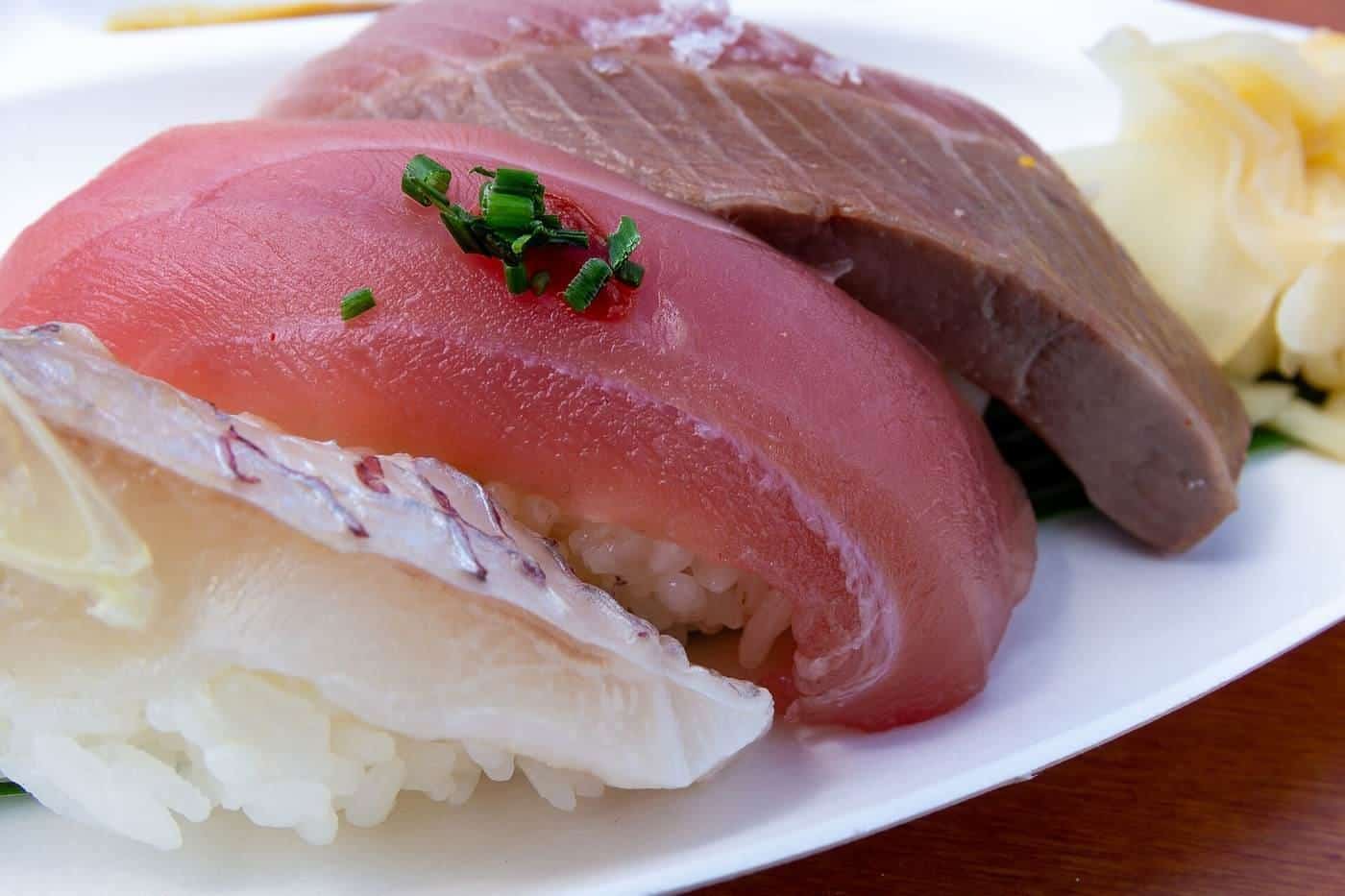
- Nigiri. A hand-pressed mound of rice topped with fish or another topping.
- Maki. Rolled sushi wrapped in nori. Hosomaki are thin rolls; futomaki thick rolls; uramaki inside-out rolls.
- Temaki. A cone-shaped hand roll.
- Gunkan. Rice wrapped in a band of nori with a loose topping.
- Inari. Rice in a pouch of seasoned fried tofu.
- Chirashi. A bowl of sushi rice with toppings scattered over it.
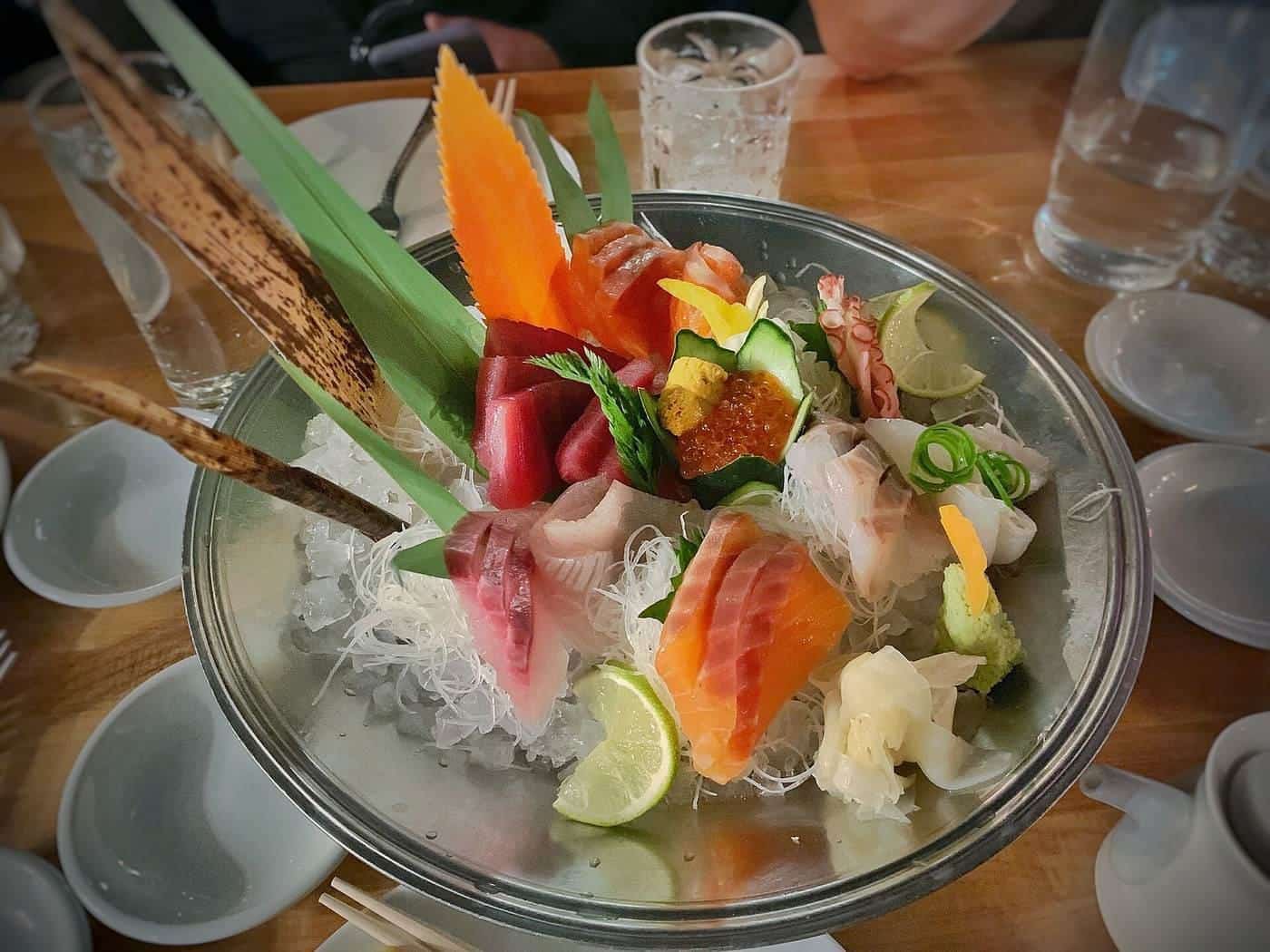
- Sashimi. Sliced raw fish or seafood, without rice.
- Aburi. Seared or lightly torched.
Common seafood words
- Maguro. Tuna. Toro. Fatty tuna belly.
- Sake or shake. Salmon (the same word "sake" also means alcohol; context makes it clear).
- Hamachi. Yellowtail. Tai. Sea bream. Saba. Mackerel.
- Ebi. Prawn. Ika. Squid. Tako. Octopus. Hotate. Scallop.
- Unagi. Freshwater eel. Anago. Saltwater eel. Both are usually served cooked.
- Ikura. Salmon roe. Tobiko. Flying fish roe.
- Kani. Crab. "Kani" on budget menus may mean imitation crab, which is usually made from fish.
Noodles
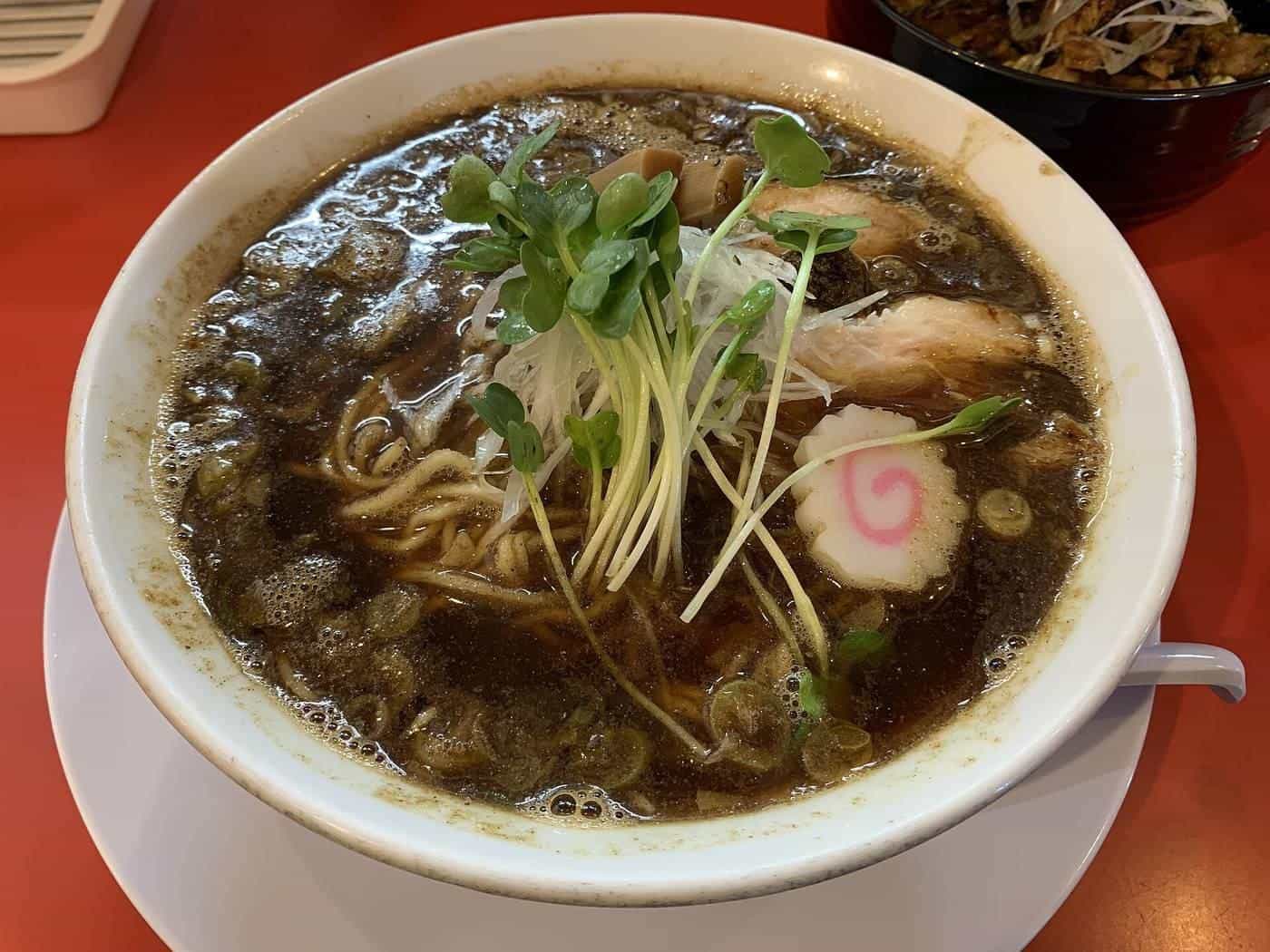
- Ramen. Wheat noodles in broth. JNTO lists shio (salt), shoyu (soy sauce), miso and tonkotsu (pork bone) as the most common styles.
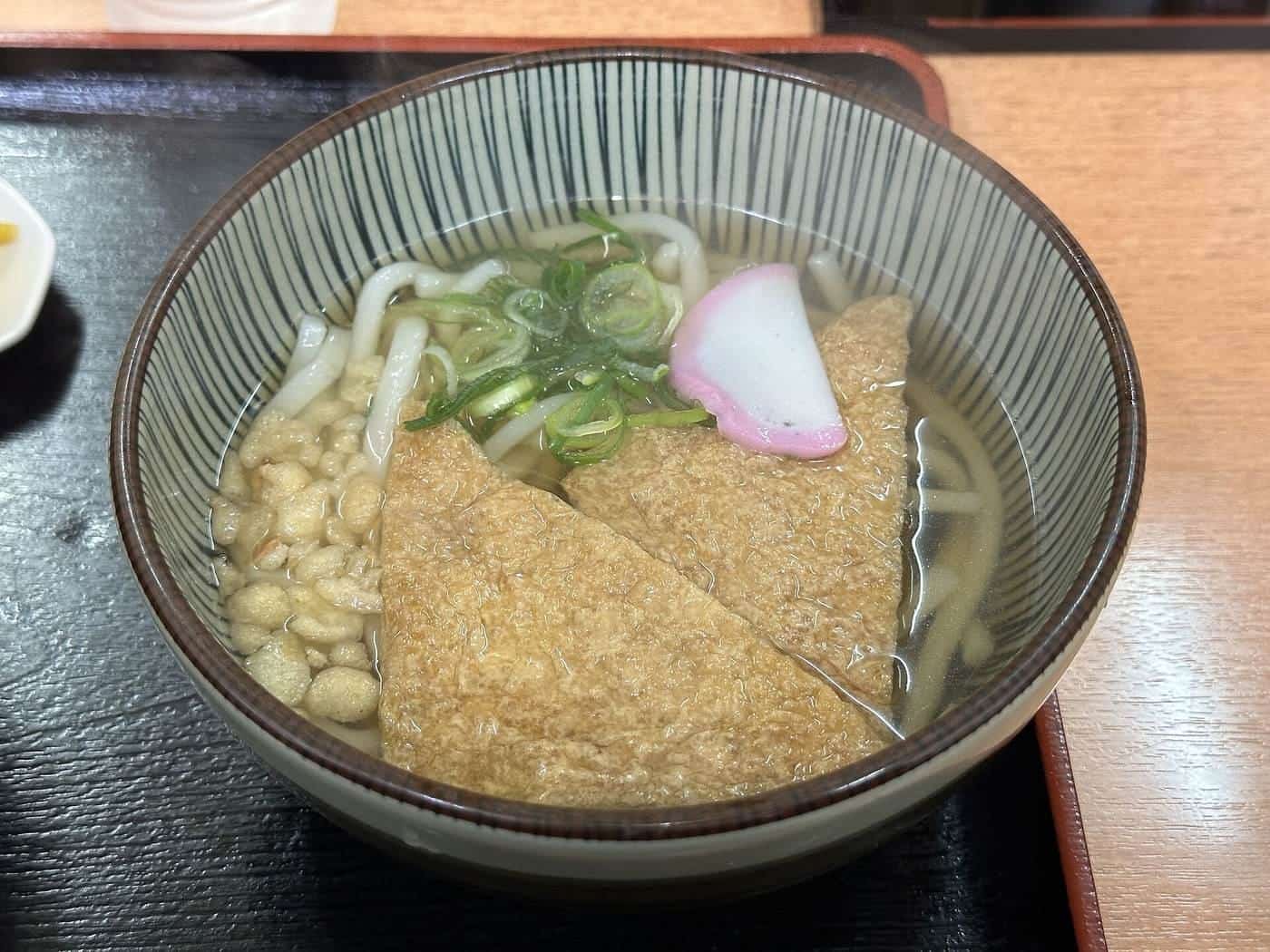
- Udon. Thick wheat noodles. Soba. Thin buckwheat noodles, often blended with wheat.
- Kake. In hot broth. Zaru. Cold, on a bamboo tray, with dipping sauce. Mori. Cold, with dipping sauce in a separate bowl.
- Yakisoba. Stir-fried noodles. Yaki udon. Stir-fried udon.
- Kitsune. Topped with sweet fried tofu. Tanuki. Topped with tempura crumbs.
Cooking methods
These words often head sections of a menu:
- Yaki or yakimono. Grilled. Yakitori is grilled chicken skewers.
- Age or agemono. Deep fried. Karaage is marinated fried chicken; agedashi tofu is fried tofu in broth.
- Tempura. Seafood or vegetables in light batter, deep fried.
- Katsu. A crumbed, deep-fried cutlet. Tonkatsu is pork; chicken katsu is chicken.
- Ni or nimono. Simmered in seasoned broth.
- Mushi or mushimono. Steamed. Chawanmushi is a savoury steamed egg custard.
- Su or sunomono. Vinegared, often a cucumber and seaweed salad.
- Nabe. Hot pot, cooked at the table. Shabu-shabu and sukiyaki are well-known hot-pot styles.
- Teppanyaki. Cooked on a flat iron griddle.
Rice dishes
- Gohan. Cooked rice; also means "meal".
- Donburi (don). A bowl of rice with a topping. Katsudon (crumbed cutlet and egg), oyakodon (chicken and egg), gyudon (beef), unadon (eel), kaisendon (raw seafood).
- Onigiri. A rice ball, often wrapped in nori with a filling.
- Japanese curry (kare raisu). A thick, mild curry sauce with rice.
- Chahan. Fried rice.
Small dishes and sides
- Edamame. Young soybeans in the pod, boiled and salted.
- Gyoza. Dumplings, often pan-fried.
- Takoyaki. Batter balls with octopus pieces.
- Okonomiyaki. A savoury pancake with cabbage and toppings.
- Tsukemono. Pickles.
- Miso shiru. Miso soup.
- Wakame. A type of seaweed, often in salads and soups.
Sauces and condiments
- Shoyu. Soy sauce, which commonly contains wheat.
- Wasabi. Pungent green paste. Gari. Pickled ginger.
- Ponzu. Citrus soy sauce. Tare. A sweet soy-based basting sauce.
- Teriyaki. A glossy sweet soy glaze.
- Kewpie or Japanese mayonnaise. Made with egg.
- Dashi. Stock, usually from kelp and bonito, so it contains fish.
- Furikake. A dry seasoning sprinkled on rice.
Meals and restaurant words
- Teishoku. A set meal: a main with rice, miso soup and pickles.
- Bento. A boxed meal.
- Omakase. Chef's choice.
- Kaiseki. A traditional multi-course seasonal meal.
- Izakaya. A casual pub with shared small dishes. JNTO explains that a torizara is the small plate each guest uses for shared food.
- Kaitenzushi. Conveyor-belt sushi.
- Oshibori. The hot or cold towel given when you sit down.
- Okaikei. The bill. Okawari. A refill or second serve.
Drinks
- Nihonshu. Sake (rice wine). Junmai, ginjo and daiginjo are sake grades; nigori is cloudy sake.
- Shochu. A distilled spirit. Chu-hi. A shochu highball.
- Umeshu. Sweet plum liqueur.
- Ocha. Tea. Matcha. Powdered green tea. Genmaicha. Green tea with roasted rice. Oolong tea is common at izakaya.
See our sake and drinks guide.
When in doubt, ask
Recipes vary between restaurants, and a menu name doesn't tell you every ingredient. If you have an allergy, coeliac disease or another dietary need, ask staff about ingredients and preparation every time. Under Australia's Food Standards Code, allergen information for unpackaged food must be displayed with the food or be available on request.
Reading a menu by section
Many Japanese menus are organised by course or cooking method: small dishes, sashimi, sushi, grilled, fried, simmered, rice and noodles, then dessert. At an izakaya, order a few dishes from different sections to share, then add more as you go, rather than ordering everything at once.
Words that signal allergens
Some menu words are useful signals: tempura, katsu, panko and gyoza usually mean wheat; ebi and kani mean crustaceans; ika, tako and hotate mean molluscs; tamago means egg; goma means sesame; and miso, shoyu, tofu and edamame mean soy. Dashi usually means fish. These are signals only; always confirm with staff.
Try the menu decoder
Our free menu decoder explains more than 50 common Japanese menu words in plain English, from nigiri, tonkotsu and zaru to omakase, junmai and itadakimasu. Type a word to see what it means. It runs entirely in your browser, and nothing you type is sent anywhere.
Where our information comes from
Factual statements in our guides are based on official and authoritative sources, including Food Standards Australia New Zealand (FSANZ), the NSW Food Authority, healthdirect, Coeliac Australia, Allergy & Anaphylaxis Australia, ASCIA, the NHMRC and the Japan National Tourism Organization. We link to each source at the end of the page and write everything in our own words. We don't publish invented statistics, prices or reviews.
Restaurants vary
Every restaurant has its own recipes, suppliers and kitchen practices. A dish with the same name can contain different ingredients at different restaurants, and recipes can change. That's why we always suggest asking staff about ingredients and preparation, especially if you have an allergy, coeliac disease, are pregnant or have another dietary need.
Supporting good restaurants
If a Japanese restaurant looks after you well, for example by explaining dishes clearly, adapting a meal for your dietary needs or making you feel welcome, let them know. Thanking staff, coming back and leaving an honest review all help good restaurants thrive. Honest feedback, delivered politely, also helps restaurants improve.
Eating Japanese food in Japan
If you're travelling to Japan, the Japan National Tourism Organization publishes free guides to Japanese food, dining etiquette and customs on its website. Many of the customs in our guides, such as paying at ticket machines in ramen shops or ordering sake by the go, are more common in Japan than in Australia.
Key points
- Learn the cooking-method words: yaki (grilled), age (fried), ni (simmered), mushi (steamed).
- Donburi is a rice bowl with a topping; teishoku is a set meal.
- Dashi usually contains fish, and soy sauce usually contains wheat.
- 'Kani' on budget menus may mean imitation crab.
- Always ask staff about ingredients if you have dietary needs.
Frequently asked questions
What does 'don' mean on a menu?
Donburi: a bowl of rice with a topping, such as katsudon (crumbed cutlet) or oyakodon (chicken and egg).
What is the difference between tempura and katsu?
Tempura is food in a light batter, deep fried. Katsu is a crumbed, deep-fried cutlet.
What is dashi?
A Japanese stock, usually made from kelp and dried bonito, used in soups and sauces.
What does 'set' or 'teishoku' mean?
A set meal, usually a main dish served with rice, miso soup and pickles.
Sources and further reading
Facts on this page were checked against these primary and official sources. Conditions change — confirm before you travel or buy.
- Sushi in Japan guide — Japan National Tourism Organization (JNTO)
- Ramen — Japan National Tourism Organization (JNTO)
- Udon/Soba — Japan National Tourism Organization (JNTO)
- Izakaya dining guide — Japan National Tourism Organization (JNTO)
- Japanese food etiquette guide — Japan National Tourism Organization (JNTO)
- Allergen labelling — Food Standards Australia New Zealand (FSANZ)