Behind sushi, ramen and tempura sits a deeper food tradition known as washoku. Understanding a few of its ideas, such as seasonality, dashi and the shape of a balanced meal, makes Japanese food more interesting to eat and easier to order. This guide explains what washoku is and how its principles show up in Japanese restaurants in Australia.
This guide is general information written in our own words, based on the official sources listed at the end. Recipes and practices vary between restaurants, and food safety and health advice depends on your circumstances, so check the official source and follow your doctor's advice if you have an allergy, coeliac disease, are pregnant or have a weakened immune system. We don't review or recommend particular restaurants.
What washoku is
Washoku means, roughly, Japanese food. In 2013, UNESCO inscribed "Washoku, traditional dietary cultures of the Japanese, notably for the celebration of New Year" on its Representative List of the Intangible Cultural Heritage of Humanity. UNESCO describes washoku as a social practice based on skills, knowledge and traditions related to the production, processing, preparation and consumption of food, associated with respect for nature and the sustainable use of natural resources.
The recognition isn't for a particular dish or restaurant style. It's for a whole food culture, including the way meals bring families and communities together, especially at New Year.
Seasonality
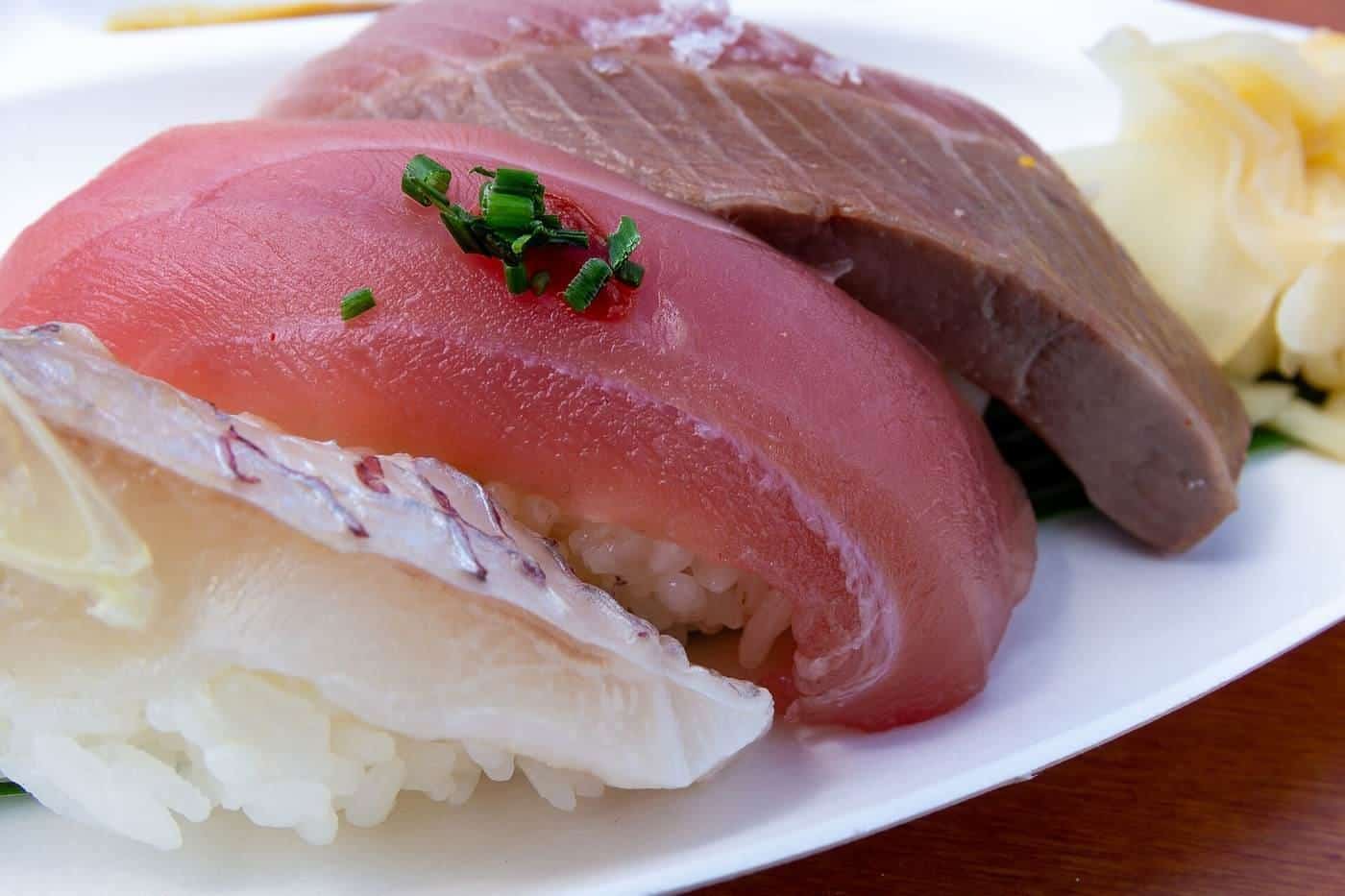
JNTO's food etiquette guide names the use of fresh, seasonal ingredients as the first defining characteristic of Japanese cuisine. Seasonality shapes what's served and how it's presented: spring bamboo shoots, summer eel, autumn mushrooms and winter hot pots. Many Japanese restaurants in Australia run seasonal specials, and at a counter restaurant it's always worth asking what's in season.
Dashi and umami
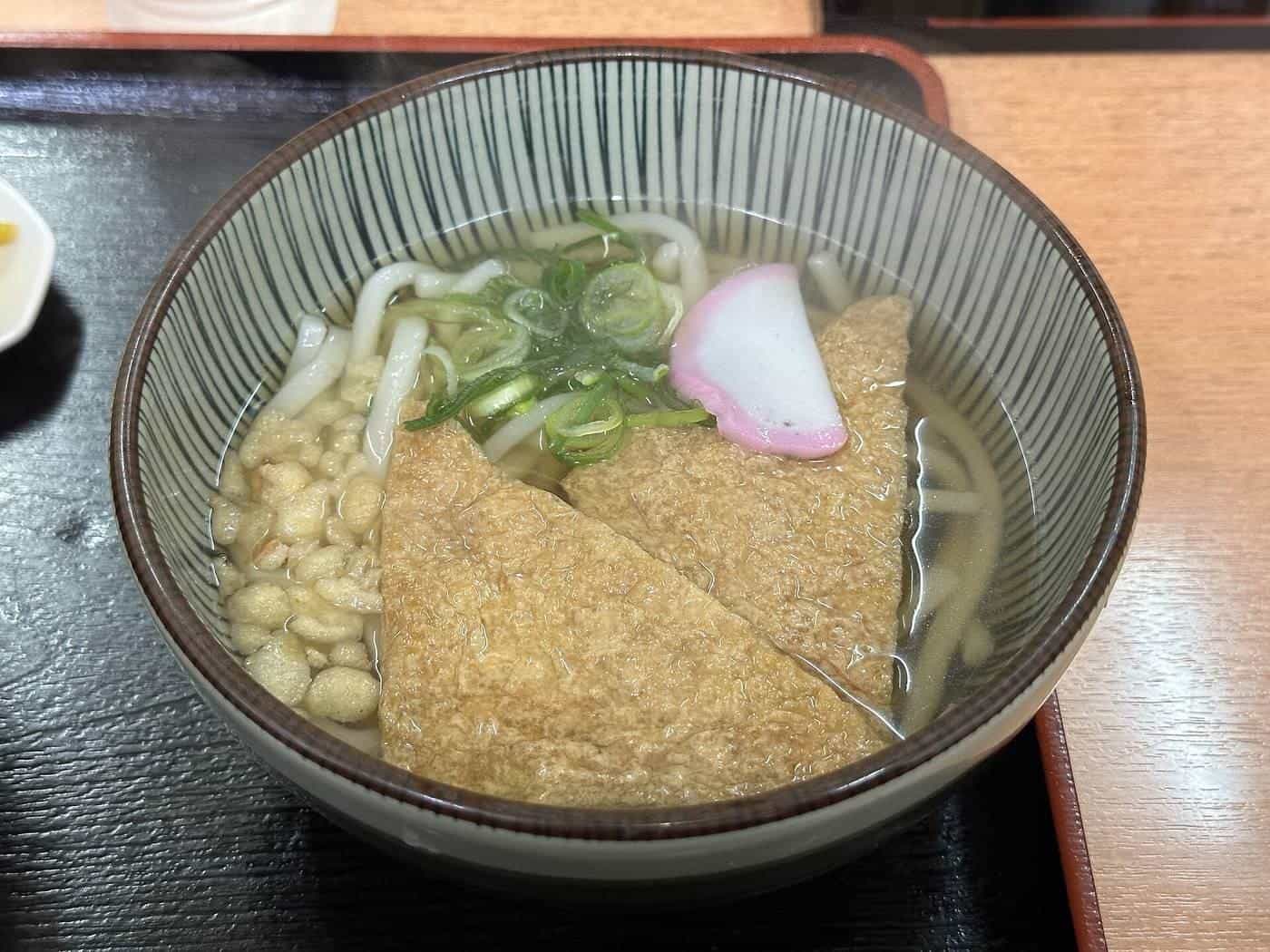
JNTO identifies a second defining feature: dashi, a broth made from ingredients rich in umami, such as bonito, kelp or dried fish. JNTO explains that this umami gives richness and depth, tying together the other flavours of sweet, sour, salty and bitter.
The most common dashi is made from kombu (dried kelp) and katsuobushi (dried, smoked bonito flakes). Dashi is the base of miso soup, noodle broths, simmered dishes and many sauces. This is why many Japanese dishes that look vegetarian, such as miso soup or vegetable simmered dishes, may contain fish. Vegetarian dashi made only from kombu or dried shiitake mushrooms exists, but you'll need to ask.
The shape of a meal
A traditional home-style meal is often described as "one soup, three dishes" (ichiju sansai): rice, a bowl of soup such as miso soup, pickles, and three side dishes, often one main and two smaller ones. The idea is balance and variety, with different ingredients, colours and cooking methods across the meal.
You'll see this structure in set meals (teishoku) and bento boxes at Japanese restaurants in Australia: rice, miso soup, pickles, a main such as grilled fish or a crumbed cutlet, and small sides.
Cooking methods
Japanese cooking uses a range of methods, and menus are often organised by them:
- Yakimono. Grilled dishes, such as grilled fish or yakitori.
- Nimono. Simmered dishes, cooked in seasoned dashi.
- Agemono. Deep-fried dishes, such as tempura and karaage.
- Mushimono. Steamed dishes, such as chawanmushi (savoury egg custard).
- Sunomono. Vinegared dishes, such as cucumber and seaweed salad.
- Nabemono. Hot pots cooked at the table.
Knowing these words makes a traditional menu much easier to navigate. Our menu terms guide has more.
Presentation
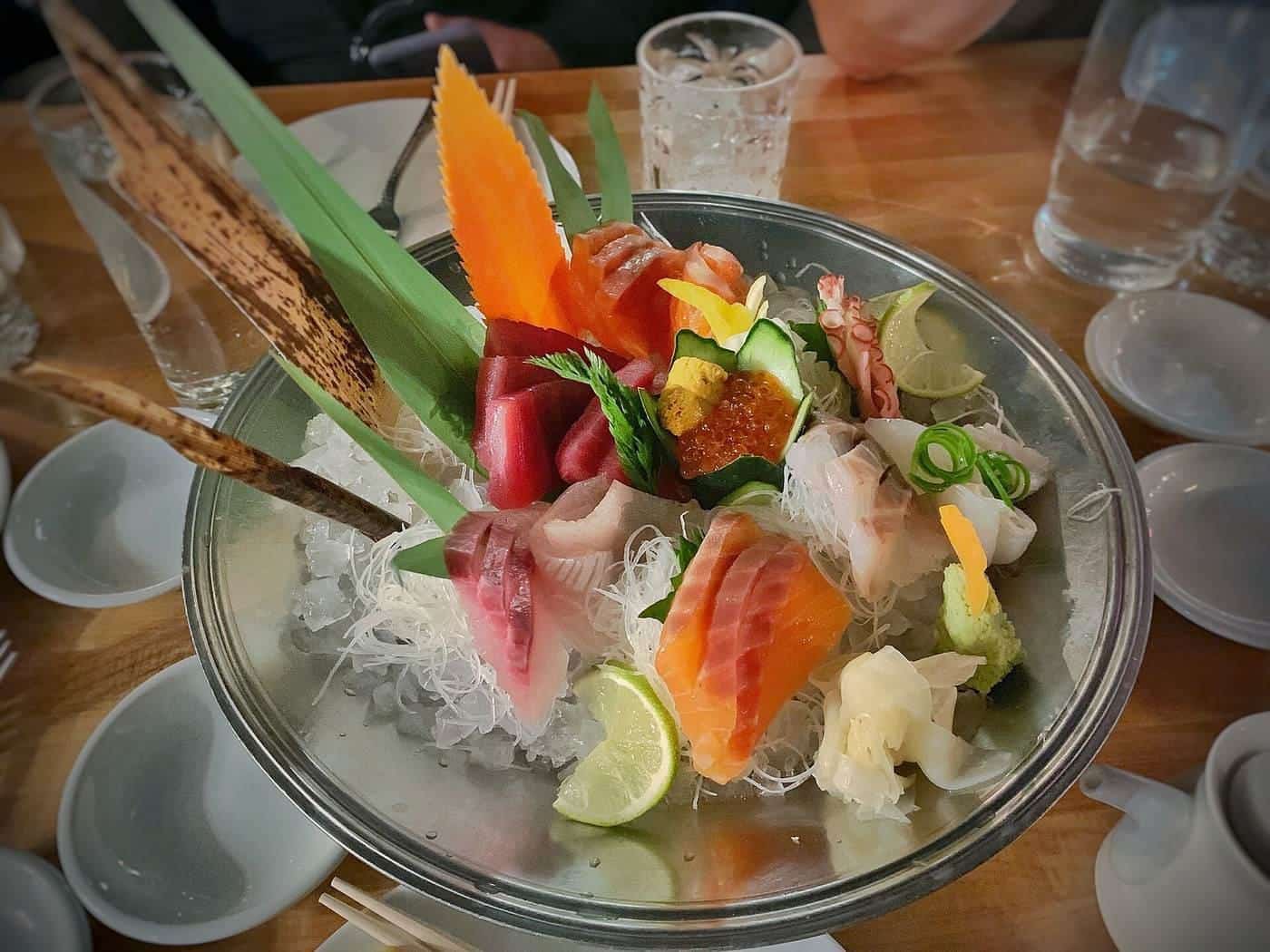
Washoku pays close attention to presentation: the choice of plates and bowls, the arrangement of food and the use of seasonal garnishes such as leaves or flowers. A meal is meant to appeal to the eye as well as the palate.
Kaiseki
At the formal end of Japanese dining is kaiseki, a traditional multi-course meal built around seasonal ingredients, with many small dishes presented with great care. JNTO's etiquette guide mentions multi-course kaiseki cuisine served at exclusive restaurants as sharing the same defining characteristics as sashimi or udon: fresh, seasonal ingredients and dashi. A small number of restaurants in Australia offer kaiseki-style or omakase menus; they usually require bookings.
Rice
Rice is central to washoku. Short-grain Japanese rice is slightly sticky, which makes it easy to eat with chopsticks. In a traditional meal, rice is usually served plain in its own bowl, and the other dishes accompany it.
Gratitude
Washoku also includes everyday rituals of gratitude. JNTO's manners guide explains that "itadakimasu" is said before eating, meaning something like "I am glad to receive this meal", and "gochisosama desu" after finishing, loosely "thanks for the food". JNTO also notes that leaving leftover food is frowned upon in Japan.
Washoku and health
Traditional Japanese meals often include fish, vegetables, soy foods, seaweed and rice. However, some elements, such as soy sauce, miso and pickles, can be high in salt, and fried dishes are common in restaurants. As with any cuisine, variety and balance matter. We don't make health claims about particular dishes.
Trying washoku in Australia
To experience washoku principles in Australia, look for set meals (teishoku), seasonal specials and restaurants that describe their dashi or seasonal produce. A simple set of grilled fish, rice, miso soup and pickles shows the structure clearly. At a counter restaurant, ask the chef what's in season.
Cooking at home
Many people start with miso soup and rice. Make dashi from kombu and bonito flakes, or kombu and dried shiitake for a vegetarian version, then whisk in miso. Add tofu, seaweed and green onion. Pair it with rice, pickles and a simple grilled or simmered dish, and you have a meal built on washoku ideas.
Try the menu decoder
Our free menu decoder explains more than 50 common Japanese menu words in plain English, from nigiri, tonkotsu and zaru to omakase, junmai and itadakimasu. Type a word to see what it means. It runs entirely in your browser, and nothing you type is sent anywhere.
Where our information comes from
Factual statements in our guides are based on official and authoritative sources, including Food Standards Australia New Zealand (FSANZ), the NSW Food Authority, healthdirect, Coeliac Australia, Allergy & Anaphylaxis Australia, ASCIA, the NHMRC and the Japan National Tourism Organization. We link to each source at the end of the page and write everything in our own words. We don't publish invented statistics, prices or reviews.
Restaurants vary
Every restaurant has its own recipes, suppliers and kitchen practices. A dish with the same name can contain different ingredients at different restaurants, and recipes can change. That's why we always suggest asking staff about ingredients and preparation, especially if you have an allergy, coeliac disease, are pregnant or have another dietary need.
Supporting good restaurants
If a Japanese restaurant looks after you well, for example by explaining dishes clearly, adapting a meal for your dietary needs or making you feel welcome, let them know. Thanking staff, coming back and leaving an honest review all help good restaurants thrive. Honest feedback, delivered politely, also helps restaurants improve.
Eating Japanese food in Japan
If you're travelling to Japan, the Japan National Tourism Organization publishes free guides to Japanese food, dining etiquette and customs on its website. Many of the customs in our guides, such as paying at ticket machines in ramen shops or ordering sake by the go, are more common in Japan than in Australia.
Food safety at home
If you cook Japanese food at home, follow basic food safety: wash your hands, keep raw and cooked foods separate, use separate boards for raw fish and ready-to-eat foods, keep cold food at 5°C or below and refrigerate leftovers promptly. Buy fish for eating raw only from suppliers you trust, and use it quickly.
Key points
- UNESCO inscribed washoku as intangible cultural heritage in 2013.
- JNTO names seasonal ingredients and dashi as defining features of Japanese cuisine.
- Dashi is usually made from kelp and bonito, so many 'vegetarian-looking' dishes contain fish.
- A traditional meal follows 'one soup, three dishes' with rice and pickles.
- Say 'itadakimasu' before eating and 'gochisosama desu' after.
Frequently asked questions
What is washoku?
Washoku is traditional Japanese food culture. UNESCO inscribed it on its Representative List of the Intangible Cultural Heritage of Humanity in 2013.
What is dashi?
A stock made from umami-rich ingredients such as kelp and dried bonito. JNTO describes it as a defining feature of Japanese cuisine.
What is umami?
One of the basic tastes, often described as savoury. JNTO says dashi's umami ties together the sweet, sour, salty and bitter flavours.
What is kaiseki?
A traditional multi-course meal built around seasonal ingredients.
Sources and further reading
Facts on this page were checked against these primary and official sources. Conditions change — confirm before you travel or buy.
- Washoku, traditional dietary cultures of the Japanese — UNESCO
- Washoku: traditional dietary cultures of the Japanese — Ministry of Agriculture, Forestry and Fisheries of Japan
- Japanese food etiquette guide — Japan National Tourism Organization (JNTO)
- Japanese manners do's and don'ts — Japan National Tourism Organization (JNTO)