Japanese food looks like it should be easy to eat gluten free. Rice, fish, vegetables and tofu are all naturally gluten free. But wheat turns up in some of the most common ingredients, especially soy sauce, as well as noodles, batters and crumbs. This guide explains where gluten hides in Japanese food, which dishes are easier to adapt and how to order safely, drawing on advice from Coeliac Australia, healthdirect and FSANZ.
This guide is general information written in our own words, based on the official sources listed at the end. Recipes and practices vary between restaurants, and food safety and health advice depends on your circumstances, so check the official source and follow your doctor's advice if you have an allergy, coeliac disease, are pregnant or have a weakened immune system. We don't review or recommend particular restaurants.
Why it matters
healthdirect explains that people with coeliac disease need to follow a strict gluten-free diet for life, because gluten damages the lining of the small intestine. Even small amounts can cause harm, so cross-contact in the kitchen matters as well as ingredients. Others avoid gluten for different medical reasons. If you think you might have coeliac disease, see your doctor before cutting out gluten, as testing requires you to be eating it.
Where gluten hides in Japanese food
- Soy sauce (shoyu). Most soy sauce is brewed with wheat. It's used in dipping sauces, marinades, teriyaki, ponzu, noodle broths and many dressings.
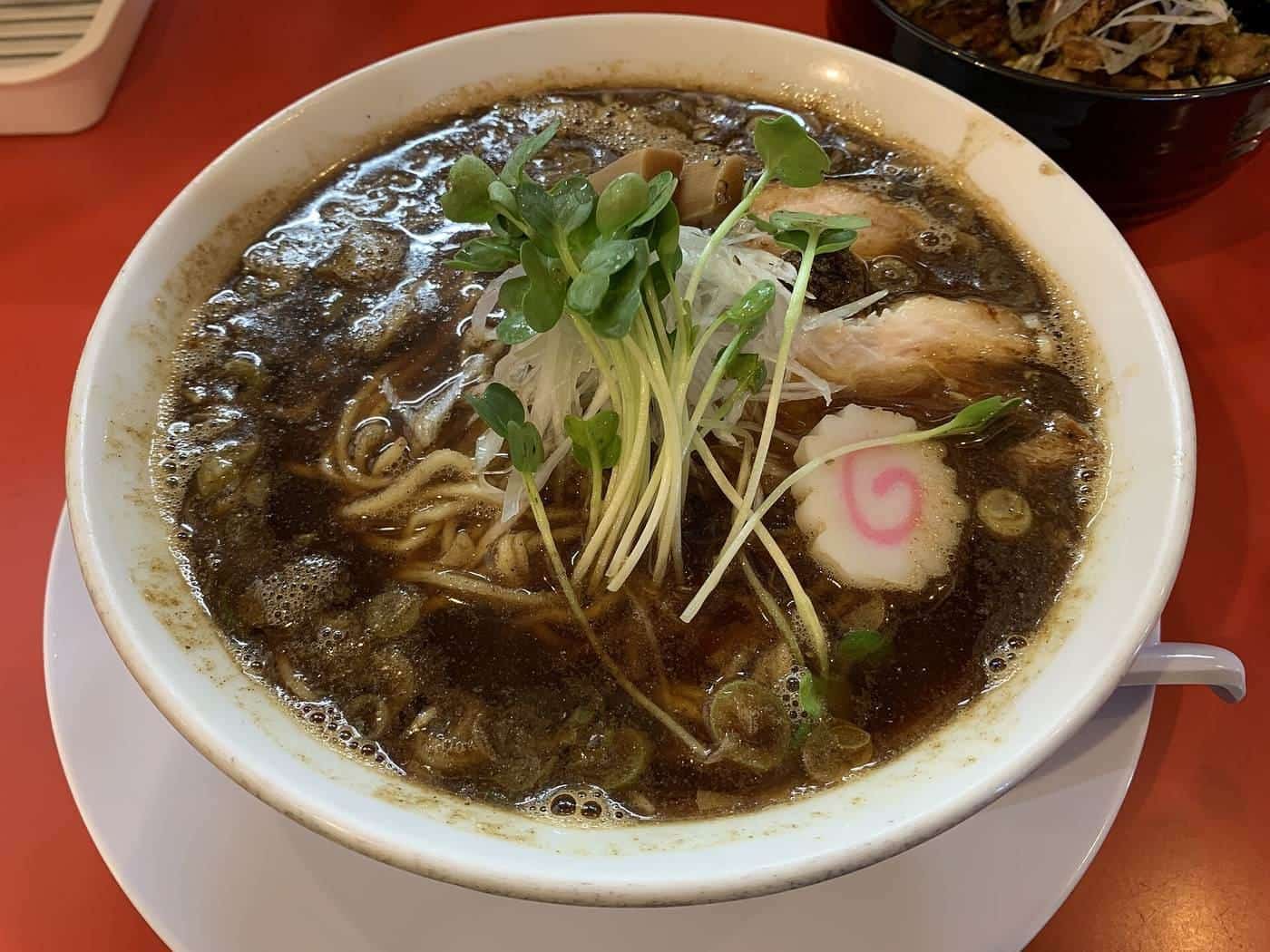
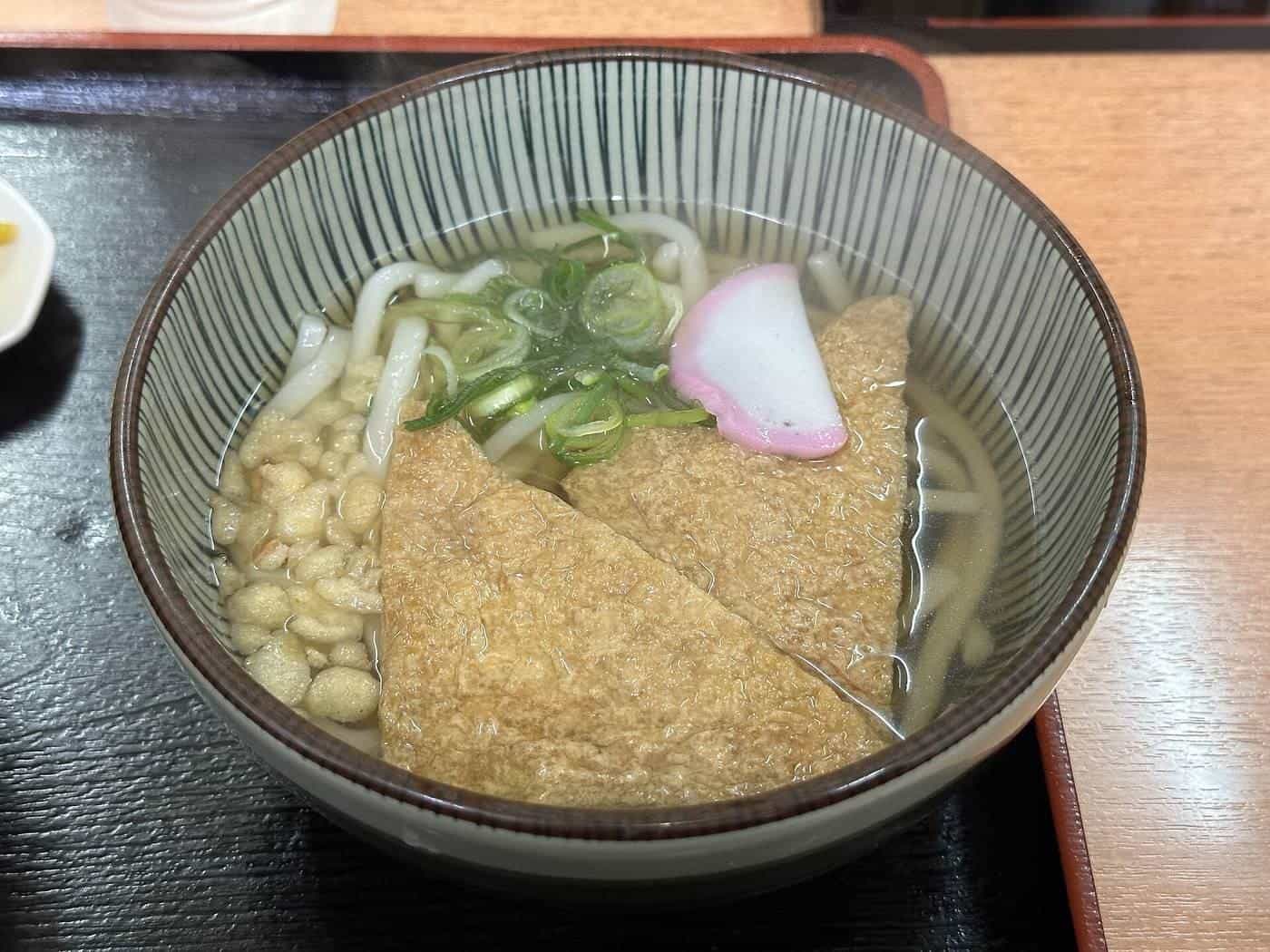
- Ramen and udon. Both are made from wheat.
- Soba. Many soba noodles are a blend of buckwheat and wheat flour. Even pure buckwheat soba may be cooked in water shared with wheat noodles.
- Tempura. The batter is usually made with wheat flour.
- Katsu and other crumbed foods. Panko crumbs are made from wheat bread.
- Karaage. Often coated in wheat flour and marinated in soy sauce.
- Gyoza. Wrappers are made from wheat.
- Miso. Some miso is made with barley.
- Imitation crab. Often contains wheat starch.
- Sauces. Teriyaki, tonkatsu sauce, okonomiyaki sauce and many dressings usually contain wheat.
- Malt and barley. Barley tea (mugicha) and some drinks, including beer, contain gluten.
- Shared fryers. Even naturally gluten-free foods can pick up gluten if fried in the same oil as tempura or katsu.
Reading labels
FSANZ's allergen labelling rules require packaged foods to declare wheat, and to declare barley, oats and rye when they contain gluten, in bold. When a cereal containing gluten is present, the "Contains" statement must use the word "gluten".
Coeliac Australia explains a useful detail: in Australia, a label saying "Contains: Wheat" without "Contains: Gluten" can indicate that a wheat-derived ingredient has no detectable gluten, while a "Contains: Gluten" statement means the food should be avoided. Some soy sauces brewed from wheat are processed so that no gluten is detectable. If you're unsure, check Coeliac Australia's labelling guidance or ask your dietitian.
For restaurant meals, FSANZ says allergen information must be displayed with the food or be available on request.
Easier choices
These dishes are often easier to make gluten free, but always confirm with the restaurant:
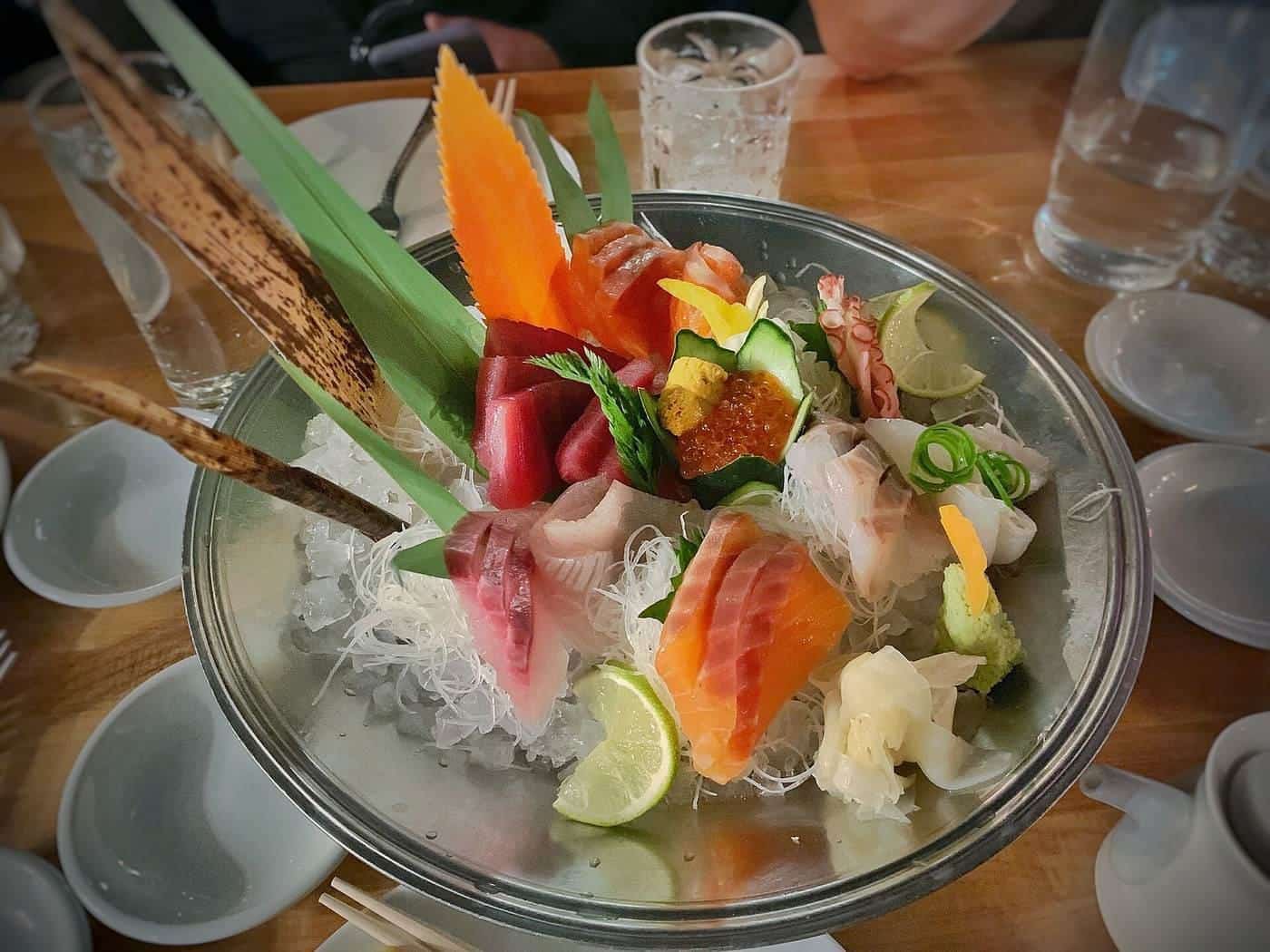
- Sashimi, with gluten-free tamari or a soy sauce labelled gluten free instead of regular soy sauce.
- Plain rice.
- Nigiri and rolls with simple fillings such as fresh fish, cucumber or avocado, without sauces, crumbs, tempura bits or imitation crab, and with gluten-free soy sauce.
- Edamame, plain and salted.
- Grilled fish or meat seasoned only with salt (shio), rather than teriyaki or tare.
- Miso soup made with a rice or soybean miso that doesn't contain barley, and a dashi without added wheat.
- Pure buckwheat soba cooked in fresh water, with a gluten-free dipping sauce.
- Steamed vegetables, tofu and seaweed salads, without soy-based dressings.
Some people carry a small bottle of gluten-free tamari to restaurants.
Choosing a restaurant
Coeliac Australia has developed a Gluten Free Standard for food service and a Gluten Free Accreditation Program. Restaurants licensed to use its GF symbol have had their practices reviewed, passed an onsite audit, provided laboratory testing showing no detectable gluten in their gluten-free menu items and shown proof of staff training.
Coeliac Australia also suggests researching ahead: check the menu online, and if there are no gluten-free options marked, call the restaurant at a quieter time, such as between lunch and dinner service, to see whether they can adapt dishes.
When ordering
Coeliac Australia's tips include:
- Politely explain that you have coeliac disease and need a gluten-free meal. Confirm that your chosen dish is, or can be made, gluten free.
- Be realistic: not everything can be made gluten free, particularly dishes with noodles, batter or crumbs.
- Expect that some gluten-free alternatives may cost more.
- Confirm your meal is gluten free when it arrives, as dishes can be mixed up.
- If something doesn't look right, ask.
At a Japanese restaurant, it's worth asking specifically about soy sauce, marinades and glazes, dashi and miso, shared fryers, and whether the same boards and knives are used for tempura rolls.
Thank good restaurants
Coeliac Australia encourages diners to thank chefs and leave positive reviews after a good gluten-free experience, which helps raise awareness and encourages restaurants to keep catering well.
Gluten-free at home
Cooking Japanese food at home makes gluten-free eating easier. Use gluten-free tamari or a soy sauce labelled gluten free, rice or 100% buckwheat noodles, rice flour or potato starch for coatings, and a miso labelled gluten free. Check labels on dashi powders, sauces and pickles, which may contain wheat.
Questions to ask
Useful questions include: is your soy sauce gluten free? Is the miso made with barley? Is the tempura or katsu fried in the same oil as other foods? Are the soba noodles 100% buckwheat and cooked in fresh water? Are marinades and glazes made with regular soy sauce?
Try the menu decoder
Our free menu decoder explains more than 50 common Japanese menu words in plain English, from nigiri, tonkotsu and zaru to omakase, junmai and itadakimasu. Type a word to see what it means. It runs entirely in your browser, and nothing you type is sent anywhere.
Where our information comes from
Factual statements in our guides are based on official and authoritative sources, including Food Standards Australia New Zealand (FSANZ), the NSW Food Authority, healthdirect, Coeliac Australia, Allergy & Anaphylaxis Australia, ASCIA, the NHMRC and the Japan National Tourism Organization. We link to each source at the end of the page and write everything in our own words. We don't publish invented statistics, prices or reviews.
Restaurants vary
Every restaurant has its own recipes, suppliers and kitchen practices. A dish with the same name can contain different ingredients at different restaurants, and recipes can change. That's why we always suggest asking staff about ingredients and preparation, especially if you have an allergy, coeliac disease, are pregnant or have another dietary need.
Supporting good restaurants
If a Japanese restaurant looks after you well, for example by explaining dishes clearly, adapting a meal for your dietary needs or making you feel welcome, let them know. Thanking staff, coming back and leaving an honest review all help good restaurants thrive. Honest feedback, delivered politely, also helps restaurants improve.
Eating Japanese food in Japan
If you're travelling to Japan, the Japan National Tourism Organization publishes free guides to Japanese food, dining etiquette and customs on its website. Many of the customs in our guides, such as paying at ticket machines in ramen shops or ordering sake by the go, are more common in Japan than in Australia.
Food safety at home
If you cook Japanese food at home, follow basic food safety: wash your hands, keep raw and cooked foods separate, use separate boards for raw fish and ready-to-eat foods, keep cold food at 5°C or below and refrigerate leftovers promptly. Buy fish for eating raw only from suppliers you trust, and use it quickly.
Key points
- Most soy sauce contains wheat; ask for gluten-free tamari or soy sauce.
- Ramen and udon contain wheat, and many soba noodles do too.
- Tempura, katsu, gyoza and many sauces contain gluten.
- Coeliac Australia accredits restaurants that meet its Gluten Free Standard.
- Always explain you need a gluten-free meal and confirm when it arrives.
Frequently asked questions
Is soy sauce gluten free?
Usually not. Most soy sauce is brewed with wheat. Some tamari and specially made soy sauces are labelled gluten free; check the label.
Are soba noodles gluten free?
Only if made entirely from buckwheat with no wheat. Many soba noodles contain wheat flour.
Is sushi rice gluten free?
Rice is naturally gluten free, but sushi rice seasoning and fillings should be checked, and soy sauce usually contains wheat.
How do I find a safe restaurant?
Coeliac Australia runs a Gluten Free Accreditation Program; look for its GF symbol, check menus and call ahead.
Sources and further reading
Facts on this page were checked against these primary and official sources. Conditions change — confirm before you travel or buy.
- Eating out — Coeliac Australia
- Allergen labelling — Coeliac Australia
- Gluten-free diet — healthdirect
- Allergen labelling — Food Standards Australia New Zealand (FSANZ)