This is a guest post by Worldwide Backlinks, a link building agency. It is written for owners and managers of Japanese restaurants, izakayas, ramen bars and sushi trains in Australia. It is not a review, and it doesn't change anything in our dining guides.
Most people don't find a new Japanese restaurant by typing its name. They search for "ramen near me", "omakase Melbourne" or "sushi train open now", then pick from whatever shows up in the map pack and the first few results. Being in that list is worth more than almost any ad.
Good food and good reviews get you most of the way. The rest comes down to how well the web already knows you, and one of the clearest signals of that is who links to your website.
What Google says it looks at
Google is unusually open about local search. Its help page on local ranking says results are mainly based on three things:
- Relevance: how well your listing matches what someone searched for.
- Distance: how far you are from the searcher or the place they named.
- Prominence: how well known your business is.
On prominence, Google says it uses information from across the web, such as links, articles and directories, along with your reviews. In plain terms, a restaurant that local food writers, event pages and suburb guides mention and link to looks more established than one nobody talks about.
You can't change your distance from a diner. You can make your listing more relevant, and you can become more prominent.
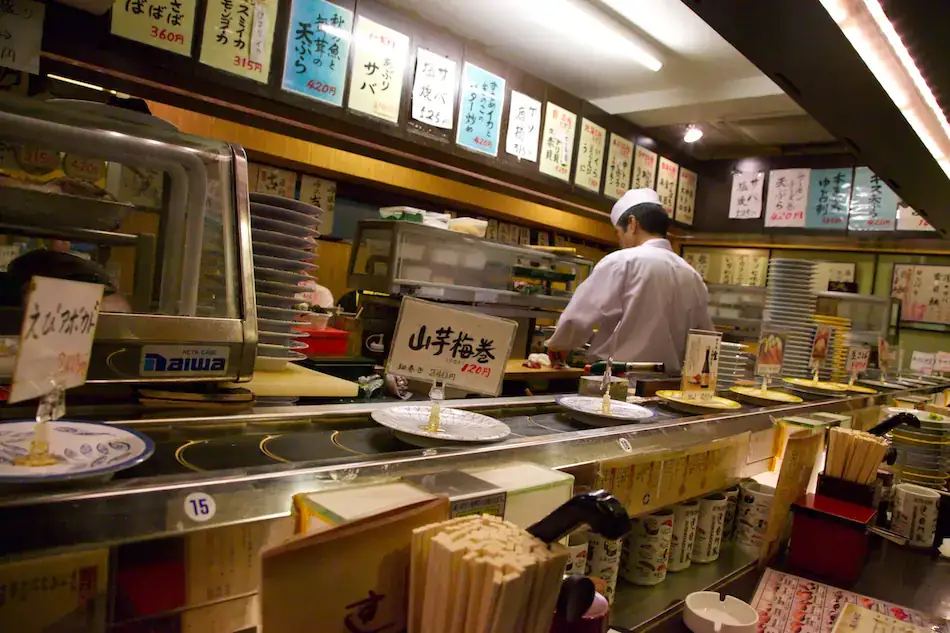
Photo: Thierry Draus, CC BY 2.0, via Wikimedia Commons.
The links that matter for a restaurant
Not all links are equal. For a Japanese restaurant, the useful ones tend to share two things: a real local connection and a real audience.
Local media and food writers. A mention in a local paper, a suburb news site or a food blog that covers your area is the gold standard. It sends hungry readers straight to you and tells search engines you are part of the local food scene.
Event and festival pages. Japanese food festivals, cultural events, night markets and charity dinners usually have websites listing the businesses involved. If you take part, ask to be listed with a link.
Neighbourhood and business groups. Chambers of commerce, precinct associations and trader groups often keep member directories. These are simple, relevant and often overlooked.
Suppliers and partners. The sake importer you buy from, the local brewery you collaborate with, or the Japanese grocer down the road may feature stockists or partners on their websites.
Guides like this one. Independent food and dining guides that cover Japanese cuisine are a natural fit, as long as any business placement is clearly labelled.
Keep your details consistent first
Before chasing new links, check the basics. Your restaurant's name, address and phone number should be the same on your website, your Google Business Profile and the main directories. If you moved, changed your trading name or switched numbers, old listings can confuse diners and search engines.
Worldwide Backlinks has a practical guide to NAP citations for local SEO if you want to work through this step by step.
Ideas that earn links without buying them
The best links usually come from doing something worth writing about. A few ideas that suit Japanese restaurants:
- Seasonal menus with a story. A sakura menu in spring, a nabe hot pot menu in winter, or a guest chef night gives local writers a reason to cover you.
- Explain something. A short page on your website about how your ramen broth is made, what omakase means at your counter, or how to order at an izakaya is the kind of thing other sites link to.
- Collaborate locally. Pair with a nearby brewery, bakery or cooking school and cross-link on both websites.
- Support local causes. Fundraisers and school or club sponsorships often come with a thank-you page and a link.
- Make it easy for the press. Keep a simple media page with good photos, your story, opening hours and a contact email.
For more on this approach, see the Worldwide Backlinks guide to local link building.
What to avoid
Some shortcuts can do more harm than good:
- Bulk directory packages. Hundreds of listings on unrelated, low-quality directories add little and can look spammy.
- Undisclosed paid links. Google's spam policies treat buying links to manipulate rankings as link spam. If you do pay for a placement, it should be labelled as sponsored and the link marked accordingly.
- Fake reviews or review swaps. They break platform rules and can get your listing penalised.
- Keyword-stuffed anchor text. A natural link usually uses your restaurant's name or the page topic, not "best cheap sushi Sydney" over and over.
When it makes sense to get help
If you run one restaurant, you can do most of this yourself with a bit of time each month. Groups with several venues, restaurants opening in a new city, or owners who would rather spend their time in the kitchen sometimes bring in a specialist.
Worldwide Backlinks offers restaurant link building and hospitality link building, focused on placements on relevant, real websites. Whoever you work with, ask to see example sites before you agree to anything, and walk away from anyone who guarantees rankings.
The short version
Diners find restaurants that the rest of the web already recognises. Keep your details consistent, take part in your local food scene, give people something worth linking to, and steer clear of shortcuts. Over time, that prominence shows up where it counts: in front of hungry people searching nearby.
Frequently asked questions
What is a local backlink?
It is a link to your restaurant's website from another website with a local connection, such as a suburb guide, a local news site, an event page, a food blog that covers your area, or a business association in your city.
Do links really affect how my restaurant shows up on Google?
Google says local results are mainly based on relevance, distance and prominence, and that prominence includes information it has about a business from across the web, such as links, articles and directories. Links are one part of that picture, alongside your Business Profile and reviews.
Should I pay for links to my restaurant website?
Be careful. Google's spam policies treat buying or selling links to manipulate rankings as link spam. Sponsored placements are fine when they are clearly disclosed and the link is marked as sponsored, but most of the value for a restaurant comes from genuine local mentions.
How many links does a restaurant need?
There is no magic number. A handful of relevant local links from real sites your diners read usually does more than a long list of links from unrelated directories.
Where should a restaurant start?
Make sure your website, Google Business Profile and the main directories all show the same name, address and phone number. Then look for local stories you can genuinely be part of, like events, collaborations, charity nights or a new seasonal menu.
Sources and further reading
Facts on this page were checked against these primary and official sources. Conditions change — confirm before you travel or buy.
- Tips to improve your local ranking on Google — Google Business Profile Help
- Spam policies for Google web search (link spam) — Google Search Central
- Qualify your outbound links to Google — Google Search Central
- Restaurant link building — Worldwide Backlinks