Udon and soba are two of Japan's oldest and most loved noodle dishes, eaten hot in winter and cold in summer. In Australia you'll find them in Japanese restaurants, food courts and dedicated noodle bars. This guide explains what they are, the main ways they're served, common toppings and how to eat them.
This guide is general information written in our own words, based on the official sources listed at the end. Recipes and practices vary between restaurants, and food safety and health advice depends on your circumstances, so check the official source and follow your doctor's advice if you have an allergy, coeliac disease, are pregnant or have a weakened immune system. We don't review or recommend particular restaurants.
Udon
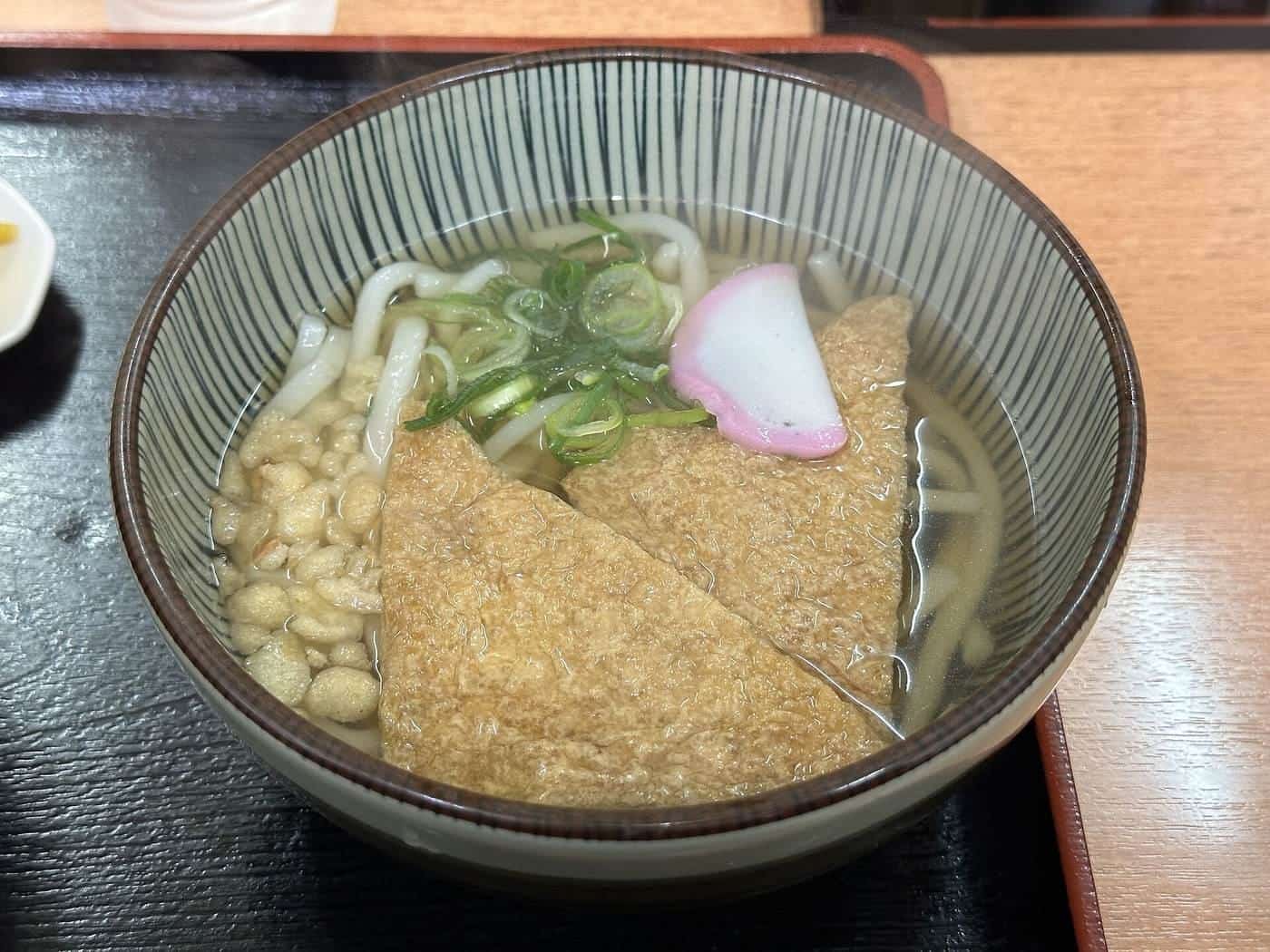
JNTO explains that udon is made with flour and some salt, kneaded and cut into noodles. Udon noodles are thick, soft and chewy, and they're usually white. They're served in hot broth, cold with a dipping sauce, or stir-fried (yaki udon).
JNTO notes that the exact origin of udon is unknown, but the oldest theory holds that it came from China in the 700s, and that it became widely popular during the Edo era, from the 1600s.
Soba
Soba is made from powdered buckwheat. JNTO notes that in some areas flour is also used. Soba noodles are thin and brownish-grey, with a nutty flavour. Like udon, soba is said to have come from China in the 700s, but JNTO notes it didn't become popular until the 1700s.
The proportion of buckwheat varies. Some soba is made entirely from buckwheat (often called juwari soba); much is a blend of buckwheat and wheat flour. This matters for allergies and coeliac disease, as we explain below.
Regional styles of udon
JNTO describes two broad styles of udon soup:
- Kanto style. Soup made with bonito dashi and strong soy sauce, giving a darker broth.
- Kansai style. Soup made with kombu (kelp) dashi and mild soy sauce, giving a lighter broth.
JNTO lists Sanuki udon from Kagawa, Inaniwa udon from Akita and Goto udon from Nagasaki as the top three udon styles, along with Mizusawa udon (Gunma), Himi udon (Toyama) and kishimen (Aichi).
Ways soba is served
JNTO explains three common ways of serving soba:
- Kake soba. Soba and hot soup served together in a bowl.
- Mori soba. Soba served on a plate, with soup in a separate bowl for dipping.
- Zaru soba. Soba and dipping soup served separately, often on a bamboo tray. JNTO notes this keeps the soup from becoming diluted by water from the noodles.
JNTO lists Togakushi soba (Nagano), Izumo soba (Shimane) and wanko soba (Iwate) among the best-known regional soba.
Toppings
JNTO notes that many people add ginger to udon and wasabi to soba, along with green onion, shiso and spicy radish. Meat, vegetables, fish, fish paste and tempura may also be added. Common named dishes include:
- Kitsune udon or soba. Topped with sweet, seasoned fried tofu.
- Tanuki. Topped with crunchy bits of tempura batter.
- Tempura udon or soba. Served with tempura prawns or vegetables, either on top or on the side.
- Tsukimi. Topped with a raw or soft egg, said to look like the moon.
- Curry udon. Udon in a Japanese curry broth. JNTO mentions curry udon being served at soba shops.
How to eat udon and soba
JNTO says the Japanese eat udon and soba with chopsticks, and that most people slurp their noodles. While making noise when eating is considered bad manners in many Western countries, it's normal in Japan. JNTO's customs page adds that some say slurping even enhances the flavour.
For cold dipping noodles, pick up a small amount with chopsticks, dip the end into the sauce and eat. Add condiments such as green onion and wasabi to the dipping sauce to taste. At some soba restaurants, staff bring a pot of the hot cooking water (sobayu) at the end of the meal, which you can pour into the leftover dipping sauce and drink.
Hot or cold?
Both noodles work in any season. Cold zaru soba or chilled udon is refreshing on a hot Australian summer day, while hot kake udon or curry udon is comforting in winter.
Allergies and gluten
Udon is made from wheat, so it contains gluten. Soba made only from buckwheat doesn't contain wheat, but many soba noodles are a blend that includes wheat flour, and noodles may be cooked in shared water. Dipping sauces and broths usually contain soy sauce, which commonly contains wheat, and dashi often contains fish.
Buckwheat itself can cause allergic reactions in some people. It is not on the list of allergens that must be declared under Australia's Food Standards Code, so if you're allergic to buckwheat, ask staff directly rather than relying on labels. Tempura toppings may contain egg and crustaceans. If you have a food allergy or coeliac disease, always tell staff before ordering. See our allergies guide and gluten-free guide.
Choosing between them
If you prefer soft, chewy noodles and a mild broth, try udon. If you like a firmer noodle with a nutty, earthy flavour, try soba. Both are good introductions to Japanese noodles beyond ramen. In summer, try them cold; in winter, choose a hot broth with tempura on the side so the batter stays crisp.
Questions to ask
Ask whether the soba contains wheat, whether noodles are cooked in shared water, whether the broth uses fish-based dashi and whether tempura is fried in the same oil as seafood. These questions matter most for people with coeliac disease or food allergies.
Try the menu decoder
Our free menu decoder explains more than 50 common Japanese menu words in plain English, from nigiri, tonkotsu and zaru to omakase, junmai and itadakimasu. Type a word to see what it means. It runs entirely in your browser, and nothing you type is sent anywhere.
Where our information comes from
Factual statements in our guides are based on official and authoritative sources, including Food Standards Australia New Zealand (FSANZ), the NSW Food Authority, healthdirect, Coeliac Australia, Allergy & Anaphylaxis Australia, ASCIA, the NHMRC and the Japan National Tourism Organization. We link to each source at the end of the page and write everything in our own words. We don't publish invented statistics, prices or reviews.
Restaurants vary
Every restaurant has its own recipes, suppliers and kitchen practices. A dish with the same name can contain different ingredients at different restaurants, and recipes can change. That's why we always suggest asking staff about ingredients and preparation, especially if you have an allergy, coeliac disease, are pregnant or have another dietary need.
Supporting good restaurants
If a Japanese restaurant looks after you well, for example by explaining dishes clearly, adapting a meal for your dietary needs or making you feel welcome, let them know. Thanking staff, coming back and leaving an honest review all help good restaurants thrive. Honest feedback, delivered politely, also helps restaurants improve.
Eating Japanese food in Japan
If you're travelling to Japan, the Japan National Tourism Organization publishes free guides to Japanese food, dining etiquette and customs on its website. Many of the customs in our guides, such as paying at ticket machines in ramen shops or ordering sake by the go, are more common in Japan than in Australia.
Food safety at home
If you cook Japanese food at home, follow basic food safety: wash your hands, keep raw and cooked foods separate, use separate boards for raw fish and ready-to-eat foods, keep cold food at 5°C or below and refrigerate leftovers promptly. Buy fish for eating raw only from suppliers you trust, and use it quickly.
Key points
- JNTO: udon is made from flour and salt; soba from buckwheat, sometimes with flour.
- Kanto-style udon broth uses bonito dashi and strong soy; Kansai-style uses kombu dashi and mild soy.
- Kake soba is served in hot soup; zaru soba is served cold with dipping sauce.
- Slurping is normal in Japan.
- Udon contains wheat, and many soba noodles do too.
Frequently asked questions
What is the difference between udon and soba?
JNTO explains that udon is made from flour and salt, while soba is made from buckwheat, though some soba also contains flour.
What is zaru soba?
Cold soba served on a bamboo tray with dipping sauce on the side.
Is soba gluten free?
Not necessarily. Many soba noodles contain wheat flour, and the dipping sauce usually contains soy sauce.
Can I slurp udon and soba?
Yes. JNTO notes that most people in Japan slurp their noodles.
Sources and further reading
Facts on this page were checked against these primary and official sources. Conditions change — confirm before you travel or buy.
- Udon/Soba — Japan National Tourism Organization (JNTO)
- Custom and manners — Japan National Tourism Organization (JNTO)
- Allergen labelling — Food Standards Australia New Zealand (FSANZ)
- Food allergy FAQ — Australasian Society of Clinical Immunology and Allergy (ASCIA)